Perfect Diamond Ring

Owen Murphy
| 22-04-2026
 · Lifestyle Team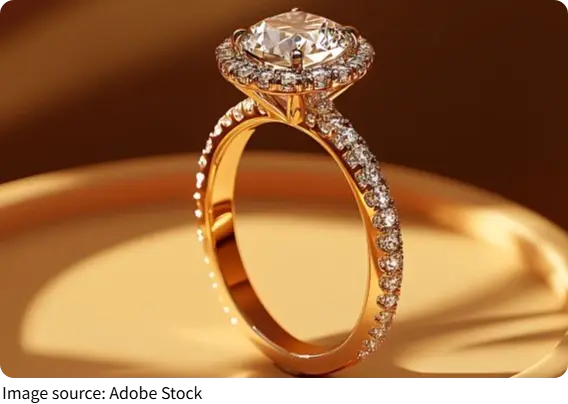
A diamond ring is rarely just a purchase. It often marks a turning point—an engagement, a promise, or a personal milestone. Yet, when standing in front of countless sparkling options, the decision can feel overwhelming.
The key to choosing the right diamond ring is not just chasing the biggest or most expensive piece, but understanding how specific details shape its beauty, durability, and overall value.
Understanding the 4Cs Clearly
The foundation of diamond selection lies in the 4Cs: cut, color, clarity, and carat. Each plays a distinct role in the final appearance.
1. Cut: Determines how well the diamond reflects light, directly affecting brilliance
2. Color: Measures how colorless the diamond appears, with clearer stones often valued higher
3. Clarity: Refers to internal inclusions and surface marks
4. Carat: Indicates the size and weight of the diamond
Among these, cut is often the most impactful. A well-cut diamond can appear more brilliant than a larger stone with poor proportions.
Choosing the Right Setting Style
The setting is what frames the diamond and defines the ring's overall look. Different styles create completely different impressions.
- Solitaire settings highlight a single diamond for a clean, timeless look.
- Halo settings surround the center stone with smaller diamonds for extra sparkle.
- Three-stone designs symbolize past, present, and future.
- Bezel settings encase the diamond for a modern and secure finish.
The choice depends on personal style as well as lifestyle. For example, more protective settings are ideal for active daily wear.
Matching the Ring to Hand Shape
A detail often overlooked is how the ring complements the wearer's hand. Proportion matters more than many expect.
1. Longer fingers pair well with wider bands or larger stones
2. Shorter fingers benefit from elongated diamond shapes like oval or pear
3. Slim fingers suit delicate bands and smaller settings
4. Broader hands balance better with bold designs
Trying different styles in person helps reveal what feels natural rather than simply following trends.
Balancing Budget and Quality
A smart purchase strategy focuses on balance rather than extremes. Spending more on one aspect often means adjusting another.
Typical price ranges:
- Entry-level rings: $1,000–$3,000
- Mid-range options: $3,000–$8,000
- Premium selections: $8,000–$20,000+
To optimize value:
- Choose slightly lower color grades that appear identical to the eye
- Prioritize cut quality over maximum carat size
- Consider clarity levels that do not show visible inclusions
These adjustments can significantly improve appearance without increasing cost dramatically.
Certification and Authenticity
A diamond should always come with a grading report from a recognized authority. This document verifies the 4Cs and ensures transparency.
Without certification, it becomes difficult to confirm whether the diamond matches its description. This step protects both quality and long-term value.
Practical Buying Tips
Beyond technical details, a few practical steps can make the process smoother.
1. Compare multiple options before deciding
2. View the diamond under different lighting conditions
3. Check return or exchange policies carefully
4. Ensure the ring size can be adjusted if needed
These small actions reduce risk and improve satisfaction after purchase.
Final Reflection
Choosing the perfect diamond ring is not about finding a single “best” option, but about aligning quality, design, and budget with personal meaning.
When the balance is right, the ring becomes more than an object—it becomes a lasting symbol that reflects both thoughtful decision-making and emotional significance.

