One Leg Power

Chandan Singh
| 05-03-2026
 · Animal Team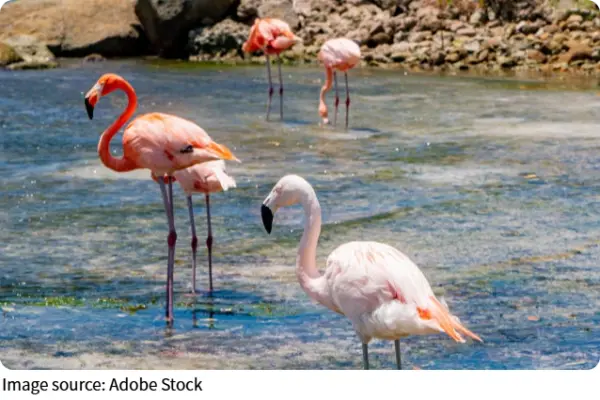
Have we ever noticed a flamingo standing quietly on one leg near the water? The posture looks gentle and relaxed, almost like a natural habit. Many people may think it is simply resting. However, this unique stance actually reflects smart body control and survival skills. Behind this simple movement lies deep biological meaning.
Flamingos are known for their pink feathers, long necks, and thin legs. They usually live around lakes, wetlands, and shallow waters. One of their most remarkable behaviors is standing on one leg for long periods.
Some individuals can maintain this pose for hours. It is not random or playful. It connects closely with energy saving, temperature control, and balance. Let us explore the reasons step by step.
Saving Energy in Daily Life
One main reason flamingos stand on one leg is to save energy. Their legs are long and exposed to air and water. When both legs touch cold water, heat can escape quickly from the body.
By lifting one leg and keeping it close to the body, they reduce surface contact with cold water. This helps slow down heat loss. At the same time, the lifted leg stays warm near the body. In this way, the bird balances warmth and comfort.
Energy saving is very important for wild birds. Food is not always easy to find. If they waste too much energy staying warm, they need to search for more food. Standing on one leg helps them use less energy during rest. It is a smart natural strategy.
Keeping Body Temperature Stable
Another key reason is temperature control. Flamingos often stay in shallow water for long periods. Water can take away body heat faster than air.
If both legs stay in water for a long time, heat loss increases. Studies show that when flamingos stand with two legs in cold water for too long, they lose more heat. To avoid this, they lift one leg and reduce water contact.
They also switch legs from time to time. This means each leg gets a rest while the other supports the body. This rotation keeps blood flow active and protects leg tissue from long exposure to cold conditions.
Through this method, they protect their body temperature and reduce stress from the environment. It is a natural system that works smoothly.
Maintaining Balance and Reducing Pressure
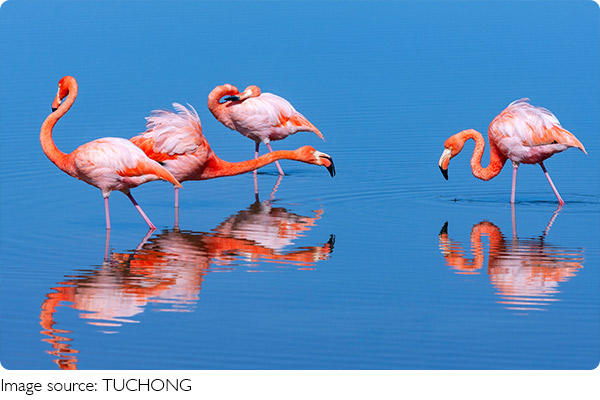
Balance is another important factor. Flamingos weigh around 2 to 4 kilograms. Their long legs must support their body weight. Standing with both legs may seem stable, but it also increases pressure on joints.
When they shift to one leg, the body center aligns carefully over the supporting leg. Their bones and muscles adjust automatically to keep stability. Scientists found that this posture does not require much muscle effort. The body structure itself helps lock the leg in place like a natural stand.
This position reduces stress on joints and muscles. Over time, flamingos developed this ability through adaptation to their living environment. It allows them to rest while still staying alert.
Behavior During Feeding and Activity
Flamingos behave differently when they feed. During feeding time, they usually stand on two legs. They stir the water with their feet to disturb small living things under the surface. Then they bend their long necks down and filter food from the water.
In calm moments, they switch back to one leg. This shows that their posture depends on activity needs. When moving, feeding, or reacting to danger, they adjust quickly.
This flexible movement helps them survive in wetland habitats. It also shows how their body structure matches their daily habits.
Adaptation That Supports Long Rest
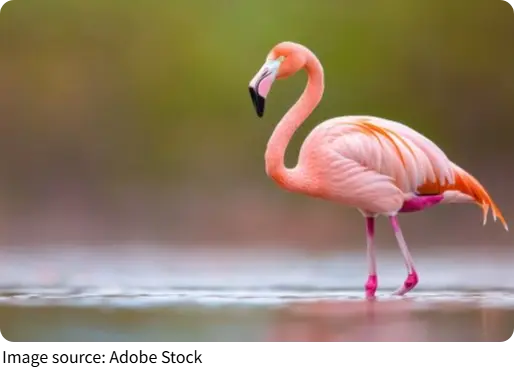
Flamingos can stand on one leg for a long time. Some observations show they maintain this posture for up to four hours. Not all birds can do this so easily.
The secret lies in their joint design and muscle control. Their legs have special locking systems that reduce muscle effort. This means they do not need to actively hold balance all the time. Their bones and tendons support the posture naturally.
This ability gives them both stability and relaxation at the same time. It is a perfect example of adaptation to nature.
Let Us Appreciate This Natural Wonder Together
Through energy saving, temperature control, and balance support, we see why flamingos prefer standing on one leg. It is not random behavior. It is a smart survival method shaped by nature.
Next time we see a flamingo quietly standing on one leg, we can understand the science behind the scene. It is simple in appearance but powerful in function.
Dear Lykkers, what do you think about this amazing habit? Do you notice similar balance skills in other birds? Let us explore more natural secrets together and stay curious about the world around us. Nature always has stories waiting for us to discover.