Keep Your Rabbit Happy

Finnegan Flynn
| 23-11-2026
 · Animal Team
A rabbit can have a comfortable shelter, fresh food and clean bedding yet still become bored if its surroundings offer little to do. In the wild, rabbits spend much of their time searching for food, digging, exploring and interacting with other rabbits.
Pet rabbits have similar instincts, so their living space should provide opportunities to carry out these activities rather than simply giving them somewhere to rest.
Make Everyday Feeding More Interesting
Food can become an activity instead of something a rabbit receives in a bowl. Rabbits naturally spend considerable time grazing and searching for plants, so encouraging them to work for parts of their daily food allowance can keep them occupied.
Scatter small portions of fresh leafy greens or part of their daily pellet ration around their living area to spark natural foraging. Another option is to tuck food inside cardboard boxes or cardboard tubes loosely filled with hay. Hanging leafy greens at a comfortable stretching height encourages rabbits to reach upward while eating.
Puzzle feeders and treat balls offer another easy way to add gentle problem-solving. You can also twist pellets inside plain brown paper or tuck hay and small healthy treats into an open cardboard egg carton.
Steady chewing matters just as much. Keep fresh hay and grass available at all times, and offer rabbit-safe chew blocks or untreated fruit-tree branches to gnaw. Avoid painted, varnished, or chemically treated wood.

Provide Places to Hide and Observe
Rabbits are prey animals, so having somewhere to retreat is essential. They may hide when frightened, stressed, unwell or simply when they want some quiet time away from people or other rabbits. Cardboard boxes with openings at both ends, tunnels and sheltered structures can provide useful hiding spaces. Low shelves and sturdy stools can offer places to shelter underneath while also creating raised areas to investigate.
Each rabbit should have access to its own hiding spot, with extra spaces available whenever possible. At least one shelter should be roomy enough for bonded companions to rest side by side. Hiding structures should always have two entrances and exits so one rabbit cannot block or trap another inside.
Set shelters in calm corners away from harsh sun, cold drafts, and the sights or smells of predators. Never pull a rabbit out of its hiding spot unless necessary for care—it should always choose when to step out and explore.
Add Safe Platforms for Movement
Raised platforms give rabbits another way to use their space. Hopping onto a low perch lets them survey their room and stretch their muscles, which supports strong bones and healthy weight. Sturdy materials include solid wooden crates, compact straw bales, heavy cardboard builds, and untreated tree stumps. Every platform must be stable, non-slip, and sturdy enough to hold the rabbit's weight without shifting.
Keep raised surfaces low enough for easy hops, adding gentle ramps or intermediate steps where helpful. Make sure there is plenty of overhead room so your rabbit can stand tall or stretch without its ears brushing the ceiling or enclosure top.
If a rabbit has had limited space or exercise in the past, check with a veterinarian before adding new jumps and introduce heights gradually to lower the risk of strains or falls.
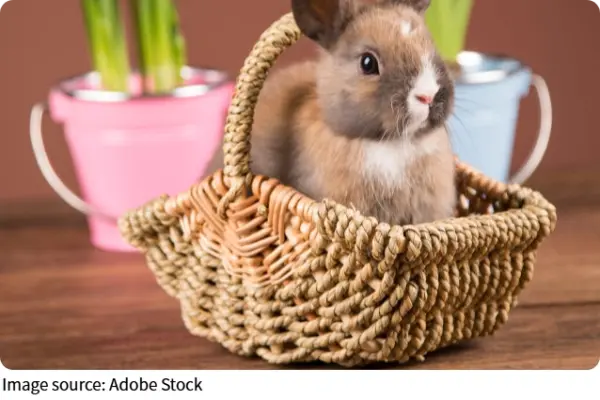
Choose Toys That Encourage Natural Behavior
Every rabbit has its own play style, so rotating a small variety helps you learn what your pet loves most. Plain shredded paper, handle-free paper bags, cardboard tubes, and open-ended boxes make budget-friendly favorites. Wide tunnels made from sturdy cardboard, canvas, or large rabbit-safe pipes invite curious laps, while untreated straw, willow balls, and seagrass mats give rabbits items to nudge, toss, and chew.
Create a Dedicated Digging Area
Digging is another core rabbit behavior. In the wild, rabbits excavate burrows for shelter, forage near the surface, and shape cozy resting spots—so indoor rabbits benefit from a safe outlet for that instinct. Fill a low cardboard box or shallow plastic litter tray with shredded paper, clean hay, or rabbit-safe soil and sand, and refresh the filling regularly to keep the spot tidy.
Keep Enrichment Safe and Varied
Every new item should be checked before it reaches the rabbit. Choose non-toxic materials without sharp edges, loose pieces or small parts that could be swallowed. Remove damaged toys and replace anything that becomes unsafe. Introduce unfamiliar items gradually and watch the first few minutes of play. If a rabbit seems startled or anxious, take the item away and observe its behavior before trying again. Swap out toys and games every week or two to keep things fresh while keeping core feeding and rest routines predictable.
A fulfilling rabbit setup pairs secure, quiet shelter with everyday chances to forage, chew, dig, and explore at a comfortable pace. If your rabbit ever seems unusually quiet, repeats stress-like behaviors, or shows signs of discomfort, consult a veterinarian promptly rather than assuming boredom alone is behind the change.