Chair for Your Reading Nook

Liam Reilly
| 06-11-2026
 · Lifestyle Team
A quiet reading corner can become one of the most enjoyable places at home. Whether you prefer a few pages before bed or longer reading sessions on a quiet afternoon, the right chair makes a difference.
Looks matter, but comfort, size, and practicality are what make a seat worth using every day. With a few thoughtful choices, even a small corner can become a welcoming place to relax with a book.
Start With Comfort
A reading chair should support your back while allowing you to shift positions naturally. Some readers prefer sitting upright, while others enjoy leaning back with a cushion. Pay attention to the seat depth, backrest, and armrests. A seat that is too deep may make it difficult to sit comfortably against the backrest, while one that is too shallow can feel restrictive. Armrests are useful for supporting your arms during longer sessions.
Whenever possible, try the chair before buying it. Sit as you normally would while reading and check whether your back feels supported and your feet rest comfortably on the floor or a footrest. Comfort is personal, so choose a chair that suits your body and habits.
Choose a Shape That Fits
Reading chairs range from compact accent chairs to wide armchairs and reclining designs. The right option depends on the room's size and how you plan to use the space. A compact chair suits a bedroom corner or small apartment, while a wider lounge chair works well in a larger room. A footstool can provide extra comfort when space allows.
Measure the available area before shopping and compare it with the chair's dimensions. Leave enough room to sit down, stand up, and move around easily. A chair that fits naturally into the layout will help the corner feel balanced rather than crowded.

Select Practical Materials
Upholstery influences both the appearance and maintenance of a chair. Linen offers a relaxed, natural look, velvet adds a rich texture, and bouclé brings a distinctive woven finish. Durable, easy-care fabrics may be more suitable for busy households. Check the frame's stability, the cushion firmness, and the manufacturer's care instructions before purchasing. Quality construction can make a chair more comfortable and useful over time.
Choose colors that complement the existing room. Neutral shades create a calm foundation, while a patterned cushion or contrasting fabric can add personality without overwhelming the space.
Plan the Lighting
Good lighting makes reading easier and helps the corner remain useful throughout the day. Natural light from a nearby window is pleasant, but a lamp provides a reliable option when daylight fades. A floor lamp can sit beside the chair without occupying a tabletop. A table lamp is another practical choice when a side table is available. Position the light so it illuminates the pages without shining directly into your eyes.
Add Useful Finishing Touches
A few carefully chosen accessories can make the space feel complete. A small side table keeps books, reading glasses, and a drink within reach. A cushion can provide extra support, while a soft rug helps define the reading area. Nearby shelves or a compact bookcase make it easy to store favorite titles. Keep the arrangement simple, however, so decorative items do not take up valuable space or make the corner difficult to use.
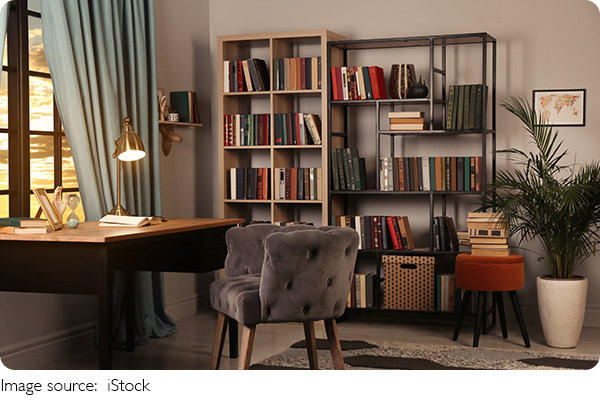
The ideal reading chair combines comfort, suitable dimensions, durable materials, and thoughtful placement. Begin by considering how you like to read and how much room you have, then select lighting and accessories that support those needs. With a supportive chair and a few practical additions, an unused corner can become a relaxing place to slow down and enjoy a good book.