Safe Pet Diet

Mukesh Kumar
| 24-10-2026
 · Animal Team
As our lives improve, pets have become an essential part of many households. As responsible pet owners, it's not only our job to care for their emotional needs but also their dietary health.
This guide is designed to help us choose safe, reliable pet food to ensure our furry friends avoid harmful substances. Let's dive into how we can provide the best nutrition and care for our pets!
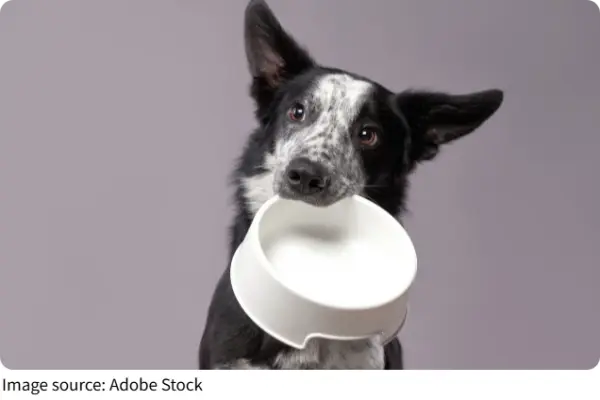
Understanding Labels and Ingredients
First, read the ingredient list. Every pet food package includes a list of its main ingredients, which is key to evaluating the food's quality. We should avoid buying products with lots of artificial additives, preservatives, or unknown meat sources. These ingredients can be harmful in the long run.
Watch for Allergens
Just like humans, pets can have adverse reactions to certain foods. Common allergens like chicken or wheat can cause stomach discomfort or even more serious health problems. We should pay attention to what might trigger allergies in our pets.
Focus on Nutritional Value
High-quality pet food should contain a balance of protein, fats, and essential vitamins and minerals. This is vital for maintaining our pets' health. Make sure the food you choose meets their nutritional requirements, as it will contribute to their overall well-being.
Beware of Potential Hazards
Generally, it is best to avoid cheap brands. Low-cost pet food often means that production costs are being cut. This can lead to the inclusion of low-quality ingredients or harmful additives. While it may be tempting to buy cheaper food, it's important to remember that quality matters much more for our pets' health.
Steer Clear of Controversial Ingredients
Certain chemical preservatives, such as BHA and BHT (butylated hydroxyanisole and butylated hydroxytoluene), have been shown to be harmful to humans and can pose risks for pets as well. We should avoid foods that contain these ingredients to protect our pets' health.
Be cautious with raw meat; while raw meat diets are often praised for their natural nutrition, improper storage or preparation can lead to bacterial contamination. Raw meat can carry pathogens such as bacteria and viruses, which could seriously harm your pet. If you choose to feed raw food, make sure to handle it carefully to avoid any safety issues.
Building Good Habits
Feeding your pet the same food for an extended period can lead to nutritional imbalances. By occasionally changing their diet, we can ensure they're getting a variety of nutrients and avoid long-term deficiencies. It's important to switch foods occasionally to give our pets a well-rounded diet.
Moreover, be careful with treats. Giving too many treats can disrupt your pet's eating routine and contribute to obesity. Treats should be used sparingly and in moderation, as part of a balanced diet. Keep an eye on how much you're feeding your pet outside of their main meals.
Finally, keep your pet clean. It's crucial to keep pet dishes clean and disinfected. This helps prevent bacteria from growing and keeps your pet's feeding area sanitary. After opening pet food bags, make sure to seal them tightly to prevent spoilage. Regular cleaning will help keep your pet safe from foodborne illnesses.
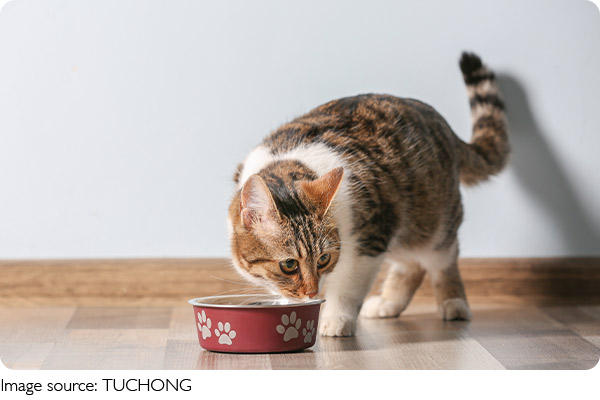
By following these guidelines, we can ensure that our pets enjoy safe and nutritious meals. It's important to understand the ingredients in pet food and to be aware of potential hazards. Our pets rely on us to make the right choices for their health, and with a little knowledge and care, we can ensure they're getting the best possible diet.
Every pet is unique, and we must adapt these principles to fit their individual needs. So, let's all aim to be the best "nutritionist" for our furry friends, helping them grow healthy and happy while enjoying delicious meals every day!