Pug Owners Beware!

Ethan Sullivan
| 24-10-2026
 · Animal Team
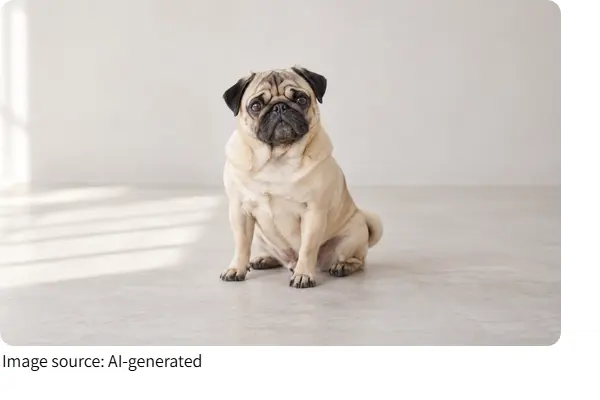
Pugs are affectionate, playful, and loyal companions, making them a beloved breed among dog lovers. However, Lykkers, their unique physical traits and sensitive nature require special care to keep them happy and healthy.
From their distinctive wrinkles to their dietary needs and sensitivity to weather conditions, pugs thrive best when given the right attention and care.
In this guide, we’ll cover five essential tips to help you provide the best possible care for your pug, ensuring they live a long, joyful, and comfortable life by your side.
The Importance of Love and Affection
Pugs are incredibly sensitive animals who thrive on human contact and affection. Leaving them alone for extended periods of time can cause distress. It's important to never scold them without considering if it's the right method of discipline. Pugs are highly intelligent and respond best to patience and gentle training.
Maintaining Hygiene and Cleanliness
A clean pug is a happy pug. Regular cleaning of their wrinkles, ears, and eyes is crucial. The deep wrinkles on their faces can harbor bacteria, leading to infections. Regularly check and clean their ears to prevent earwax buildup, and keep their eyes clean and free of injuries or irritations.
Nutrition
Proper nutrition is vital for your pug's overall well-being. A balanced diet tailored to their specific needs is essential to prevent health issues. Obesity is a common problem in pugs, so it's important to monitor their food intake and ensure they maintain a healthy weight for their age and size.
Take Extra Care in Hot Weather
Pugs can be particularly vulnerable to overheating, so exercise and outdoor time need extra care in warm weather. Avoid strenuous activity during hot conditions, provide plenty of fresh water and shade, and never leave a pug in a hot car or other poorly ventilated space. Cold weather can also be uncomfortable, particularly for older dogs, but overheating is an especially important risk for this breed.
Watch Their Breathing and Health
Pugs have short, flat faces, which can make breathing more difficult for some individuals. Watch for signs such as unusually noisy or labored breathing, difficulty exercising, or struggling to recover after activity, and discuss concerns with a veterinarian. Regular veterinary check-ups are also important for monitoring their eyes, skin, weight, teeth, and other breed-related health concerns.

Caring for a pug requires dedication and attention to detail. By providing them with a loving environment, maintaining their hygiene, ensuring a proper diet, considering weather conditions, and conducting regular check-ups, you can help your pug lead a healthy and happy life. Remember, a little care goes a long way in ensuring the well-being of your beloved pug.