Flying Squirrels Facts!
Pardeep Singh
| 24-10-2026
 · Animal Team
Bats are the only mammals capable of true flight, but they're not the only creatures you might spot gliding through the skies at dusk. For tens of millions of years, various other furry vertebrates have also soared through forests, particularly at night.
Flying squirrels, for example, are gliders rather than true fliers. They’ve existed since at least the Oligocene Epoch and now consist of 43 species found across Asia, Europe, and North America. These squirrels glide from tree to tree using a special membrane stretched between their front and back limbs.
Big Eyes for Night Vision
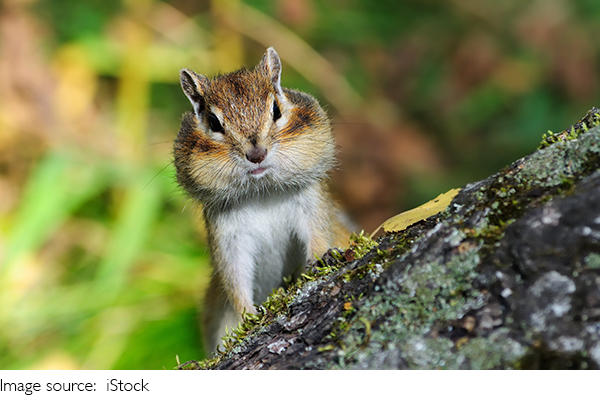
Flying squirrels, such as the Hokkaido flying squirrel (Pteromys volans orii) in Japan, have large, round eyes that make them endearing to humans. Unlike many mammals, these squirrels keep their big eyes into adulthood. This unique trait helps them see better at night, an adaptation common in nocturnal animals like owls and lemurs, allowing them to navigate dark environments.
Glow in the Dark
Flying squirrels can glow under ultraviolet light. A serendipitous discovery by researcher Jonathan Martin revealed that American flying squirrels fluoresce pinkish. This fluorescence is stronger on their undersides. While the reason remains unclear, theories suggest it could help with predator avoidance, communication among squirrels, or navigation in snowy terrain.
Patagia and Wrist Spurs Instead of Wings
Flying squirrels glide, not fly, thanks to their special membrane, known as the patagium, which extends between their limbs. They also have cartilage spurs at their wrists, which can be extended to stretch out the patagia further, creating more surface area to catch the air.
Glide Up to 300 Feet
Flying squirrels may not soar through the skies like birds, but they can glide remarkable distances. For example, the northern flying squirrel can glide up to 295 feet, almost the length of a soccer field! With their ability to make sharp turns and maneuvers mid-flight, they are incredibly agile, and species like the red giant flying squirrel can glide as far as 246 feet.
Asia is Home to Most Flying Squirrel Species
While flying squirrels are found across three continents, 90% of them are native to Asia. Of the 43 species, 40 are endemic to the continent. Fossil records suggest flying squirrels have existed for around 160 million years, dating back to the time of dinosaurs.
Only 3 Species of Flying Squirrels Native to the Americas
In North and Central America, flying squirrels are found across a wide range of forests, from tropical regions in Honduras to colder climates in Quebec and Alaska.
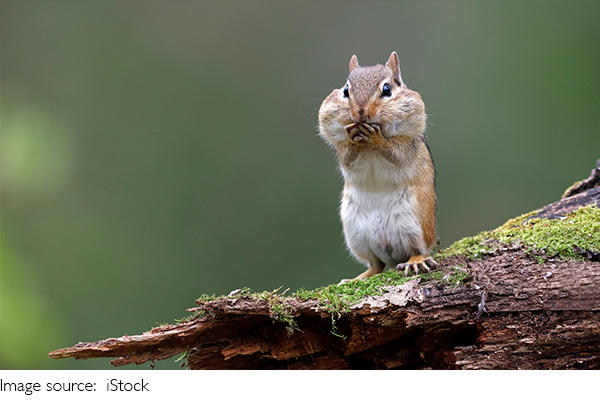
Despite their vast range, there are only three species of flying squirrels native to the Americas: the Northern flying squirrel, the Southern flying squirrel (Glaucomys volans), and Humboldt's flying squirrel (Glaucomys oregonensis), which was identified as a distinct species in 2017. While these species are fairly widespread, some subspecies, such as the endangered Carolina northern flying squirrel and San Bernardino flying squirrel, are rarer and at risk.
Flying Squirrels Are Often Invisible to Us
Although flying squirrels are abundant in many forests and suburban areas, they're generally elusive because they are nocturnal. Unlike diurnal tree squirrels, which are active during the day, flying squirrels are active at night, making them less visible.
Baby Flying Squirrels Require Extensive Care
Southern flying squirrels give birth to helpless, hairless pups that rely entirely on their mothers for warmth and care. These babies are unable to generate body heat until about five weeks old, and orphaned pups often need to be kept warm in wildlife rehab centers.
Flying squirrels are truly fascinating creatures with unique adaptations that allow them to thrive in both forested and suburban environments, yet they remain among the most elusive mammals!
10 Facts about Flying Squirrel
Video by 10 Facts