Growing Calla Lilies!

Chandan Singh
| 20-10-2026
 · Nature Team
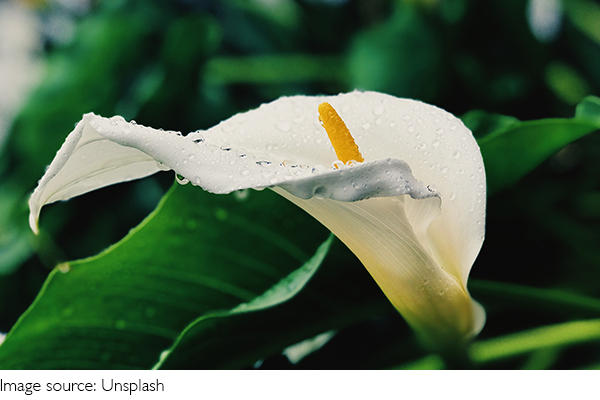
Calla lilies bring a graceful touch to gardens, patios, and indoor displays. Their smooth, trumpet-shaped flowers and upright leaves make them stand out without requiring complicated arrangements.
With suitable light, well-prepared soil, and careful watering, calla lilies can grow beautifully in containers or garden beds. Understanding their seasonal needs is the key to keeping them healthy and encouraging attractive blooms.
Choose the Right Place to Grow
Calla lilies grow from thick underground structures called rhizomes, which store energy for future growth. The planting location influences how well the plant develops, so consider the local climate and available sunlight before choosing a spot.
In mild climates, calla lilies generally perform well in sunny or partially shaded locations. In hotter climates, a position that receives morning sunlight and afternoon shade can help protect the leaves and flowers from excessive heat.
Container growing offers more flexibility because pots can be moved when light or weather conditions change. Choose a container with drainage holes to prevent unwanted water from collecting around the roots. If planting outdoors, select a sheltered location where the plants have enough room to grow without being crowded by neighboring plants.
Prepare Suitable Soil
Healthy roots depend on soil that provides both moisture and adequate drainage. A rich, loose growing medium containing organic matter can support steady growth while allowing excess water to escape.
For containers, use a good-quality potting mix rather than dense garden soil, which may become compacted. Mixing in suitable organic material can help improve the soil structure, provided the finished medium does not remain waterlogged.
Garden beds should be prepared by loosening the soil and removing weeds before planting. If the ground drains poorly, consider a raised bed or container instead. Although calla lilies appreciate consistent moisture during active growth, standing water can damage their underground structures.
Plant Rhizomes at the Correct Depth
Planting calla lilies properly gives them a good foundation. Place each rhizome in prepared soil with its growing points facing upward, then cover it with soil according to the planting instructions for the variety. Leave enough space between plants to allow their foliage to develop without becoming overcrowded.
Water and Feed With Care
Calla lilies need regular moisture while they are actively growing. Check the soil rather than following a rigid watering schedule, since containers, temperature, and sunlight all affect how quickly it dries. Water when needed, allowing excess moisture to drain freely.
Avoid letting potted plants sit in water for extended periods. At the same time, do not allow the growing medium to become completely dry for long stretches during active growth. A balanced fertilizer used according to its label can support healthy foliage and flowering. Applying too much fertilizer may encourage excessive leaf growth at the expense of blooms. Follow the recommended amount and frequency, and avoid feeding plants that have entered their natural dormant period.
Encourage Healthy Flowers
Adequate light, suitable temperatures, and consistent care all contribute to flowering. If a plant produces plenty of leaves but few flowers, consider whether it receives enough sunlight or has been overfertilized. Remove fading flowers by cutting their stems near the base with clean gardening tools.
Manage Dormancy and Seasonal Care
Many calla lilies enter a resting period after flowering, when their leaves gradually turn yellow and growth slows. During this stage, the plant needs less water because it is no longer actively producing foliage and flowers. In regions with cold winters, rhizomes may need protection from freezing temperatures. Depending on the variety and climate, they can be lifted, dried appropriately, and stored in a cool, dry place until the next suitable planting season.
In warmer climates, some varieties can remain in the ground, provided conditions suit their needs. Check the requirements of the specific variety rather than assuming every calla lily follows the same seasonal routine.
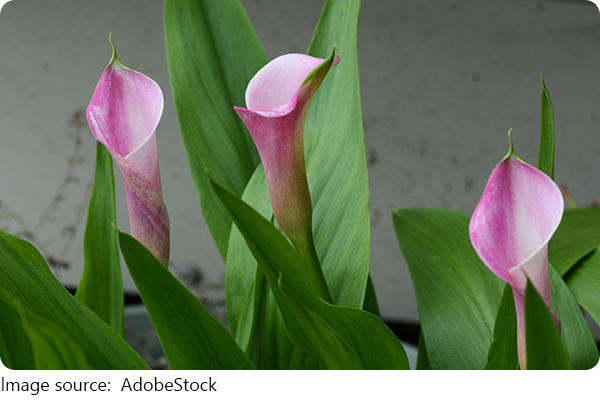
Growing calla lilies becomes easier when their basic needs are understood. With these simple practices, calla lilies can bring elegant flowers and attractive foliage to containers, patios, and garden beds.