Language Of Roses

Amit Sharma
| 15-10-2026
 · Nature Team
Hello, Lykkers! A rose in a painting is rarely just a rose. For centuries, artists have placed roses in still-life compositions to carry meaning beyond beauty.
A single bloom, a fallen petal, or a wilting stem could speak about love, time, wealth, or faith. Understanding these symbols changes how you see a painting. It turns a pleasant arrangement of flowers into a layered story. Here is how the symbolism of roses developed in still-life art and why it still matters today.
The Early Use of Roses in Still Life
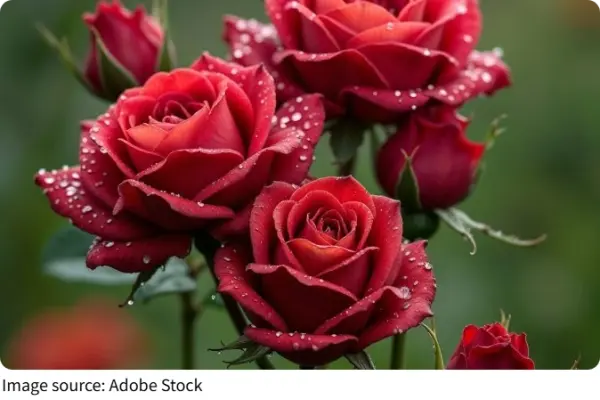
Still-life painting as a distinct genre grew in popularity in Europe during the 16th and 17th centuries, particularly in the Netherlands and Flanders. These works often featured flowers, fruit, and household objects arranged on a table. Roses appeared frequently because they were beautiful, difficult to grow, and expensive to obtain.
At this stage, roses were often used to signal wealth and status. A bouquet of rare blooms indicated that the owner could afford either a garden or imported flowers. The painting itself became a display of prosperity.
The Language of Flowers
Over time, specific meanings became attached to different flowers. This system is sometimes called the language of flowers. In this tradition, roses carried meanings based on their color and condition.
Common associations included:
- Red roses: Deep love and passion
- White roses: Purity, innocence, and new beginnings
- Pink roses: Gentleness, grace, and admiration
- Yellow roses: Friendship, and in some traditions, jealousy
- Wilting roses: The passing of time and the shortness of life
Artists used these meanings deliberately. A painting could combine a red rose with a white one to suggest a union, or place a wilting rose beside a fresh one to show the passage of time
Roses and the Passing of Time
Many still-life paintings are not just about beauty. They are about time. This type of work is sometimes called a vanitas, which refers to the idea that life is short and earthly pleasures do not last.
In these paintings, roses play a central role. A fresh rose in full bloom represents youth and vitality. A fading rose represents aging. A fallen petal represents loss. By placing these stages together, the artist creates a quiet reminder that nothing stays the same.
This is why so many still-life paintings include insects, fruit, or candles alongside flowers. Each object adds to the theme of time passing.
Roses and Hidden Meanings
Some artists used roses to convey ideas that could not be stated directly. In certain periods, roses carried meaning tied to devotion and virtue. A rose without thorns could suggest purity or protection. A rose with visible thorns could suggest pain, caution, or the cost of desire.
Because viewers in the past understood these symbols, artists could communicate complex ideas without words. A painting that looks simple to a modern eye may have carried a very specific message to its original audience.
How Roses Are Used in Still Life Today
Modern still-life artists still use roses, though the symbolism is often more personal. Some photographers and painters use roses to explore beauty and impermanence. Others use them to create contrast between softness and hard objects.
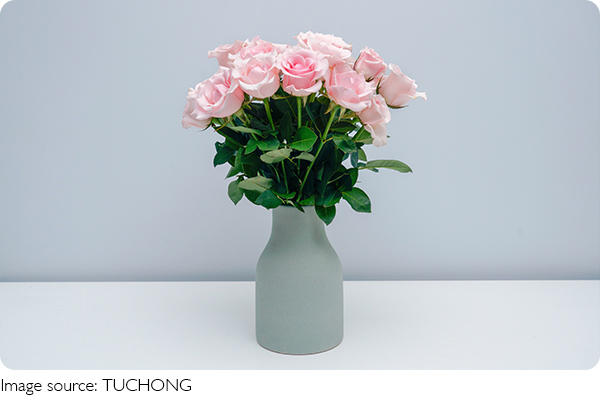
In contemporary photography, a single rose on a plain surface can suggest simplicity and stillness. A bouquet in natural light can suggest warmth and a sense of home. The meanings have shifted, but the rose remains a powerful symbol because it carries so much history.
Final Thoughts
The symbolism of roses in still-life art shows how much can be communicated through a single object. Over the centuries, roses have represented love, purity, wealth, time, and loss. Understanding these meanings adds depth to the experience of viewing a painting or arranging your own still life. Next time you see a rose in a work of art, look closer. The flower may be saying more than you expect.