Fogging Oil Explained

Arvind Singh
| 30-09-2026
 · Vehicle Team
When a car, motorcycle, boat, or other gasoline-powered machine sits unused for weeks or months, the engine can develop problems that rarely occur during regular use. Moisture may build up inside, while metal surfaces can lose protective lubrication.
The first restart after long-term storage can also place extra stress on internal components. Fogging oil helps reduce these risks by coating important engine surfaces with a protective layer.
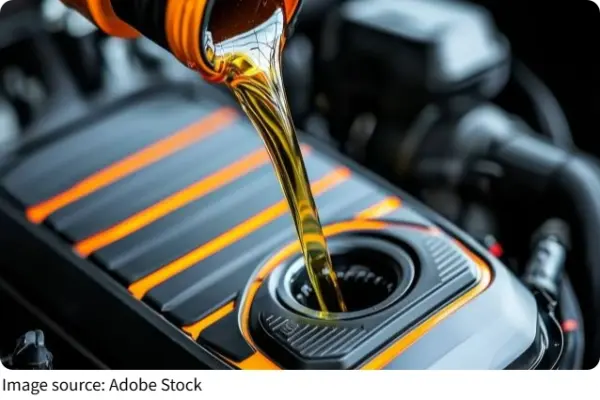
What Is Fogging Oil?
Fogging oil is a specialized petroleum-based lubricant intended to protect engine components during periods of inactivity. Unlike ordinary engine oil, which circulates through the lubrication system while an engine is running, fogging oil is applied directly to areas that need temporary protection during storage.
Once applied correctly, the oil forms a thin coating over internal metal surfaces. That film can help limit contact between moisture and vulnerable components while also keeping certain surfaces lubricated.
The product is commonly used when preparing engines for seasonal or long-term storage. Depending on the formulation, fogging oil may be suitable for different types of gasoline engines, including those found in vehicles, motorcycles, marine equipment, and outdoor machinery.
Why Does an Stored Engine Need Protection?
An engine that sits unused does not necessarily remain in the same condition as one that is driven regularly. Temperature changes can cause condensation to form inside various parts of the engine. Over time, moisture can contribute to corrosion on exposed metal surfaces.
Lubrication can also become less effective in areas that are not regularly coated with fresh oil. Internal cylinder surfaces, for example, benefit from a protective film when an engine will remain stationary for an extended period.
This is where fogging oil can be useful. Its purpose is not to improve engine performance while driving, but to provide temporary protection while the engine is sitting idle.
How Fogging Oil Protects the Engine
The main benefit comes from the protective coating left behind after application. The oil covers internal surfaces and creates a barrier between metal components and moisture.
That coating can be particularly helpful around cylinder walls and other areas that may otherwise have limited protection during storage. When the engine is eventually started, the lubricant can also help reduce the amount of dry contact that might occur during the initial moments of operation.
However, fogging oil should not be viewed as a replacement for normal engine oil. It serves a different purpose and is generally part of a broader storage-preparation routine.
How Is Fogging Oil Applied?
Application depends heavily on the engine design and the specific product. Some fogging oils are introduced through the air intake or carburetor, while other applications involve removing spark plugs and applying the product through the openings. Fuel-injected and carbureted engines can require different procedures, so there is no universal method that works for every engine.
Following the product instructions is essential. Applying too much oil, using an unsuitable product, or introducing it through the wrong location can create problems rather than prevent them. The vehicle or equipment owner's manual should also be checked before beginning the process.
How Long Does the Protection Last?
There is no single storage period that applies to every fogging oil. Protection depends on the product's formulation, storage environment, and engine type.
Some products are specifically designed to protect components for many months. Certain formulations are marketed for seasonal storage and can help protect engine parts from moisture for extended periods.
Storage conditions also matter. An engine kept in a damp environment may face greater moisture exposure than one stored somewhere dry and sheltered. Fogging oil can provide an additional layer of protection, but it cannot eliminate every storage-related concern.
Can Another Product Be Used?
Some alternatives are sometimes suggested when dedicated fogging oil is unavailable, but caution is important. A product that works for one application may not be appropriate for another engine or storage situation.
For this reason, choosing a product specifically designed for engine storage is generally the straightforward approach. Always check the manufacturer's instructions and the engine manual before substituting another lubricant or spray.
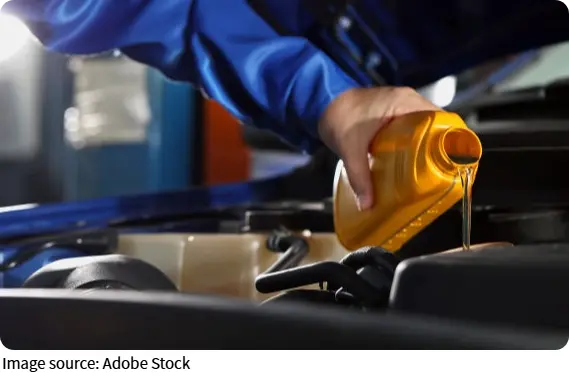
For vehicles and equipment that spend part of the year unused, proper preparation can make the eventual restart easier on the engine. Used correctly and according to the manufacturer's instructions, fogging oil can be a useful part of a sensible long-term storage routine.