Long Parked Car

Ravish Kumar
| 24-09-2026
 · Vehicle Team
A car that has been parked for weeks or months may look completely normal from the outside, but several important parts can change while the vehicle sits unused.
The battery can lose charge, tires can lose pressure, and moisture can affect braking components. Before getting back on the road, a few simple checks can help identify problems early and make the first drive smoother and safer.

Check the Battery First
The battery is one of the first things worth checking after a long period of inactivity. Even when the engine is switched off, a vehicle can use a small amount of electrical power, while the battery also naturally loses charge over time.
If the engine starts slowly or does not start at all, the battery may need to be charged or tested. For vehicles with accessible battery terminals, check that the connections are secure and free from visible corrosion. If the battery has removable service points, follow the vehicle manufacturer's instructions rather than opening or handling them unnecessarily.
Inspect Essential Fluids
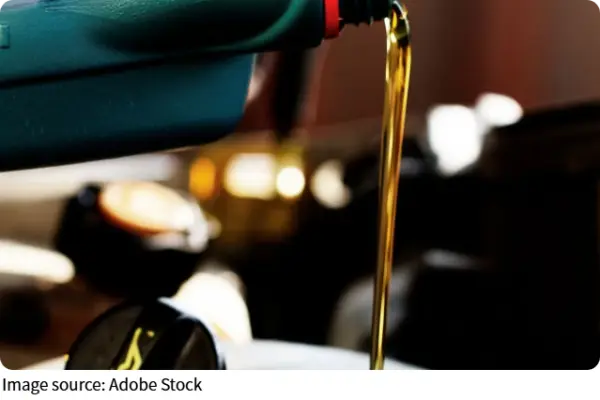
Before starting the engine, check the engine oil level on a level surface. The oil should be within the recommended range on the dipstick or electronic gauge. If the level is unusually low, find out why before driving.
Coolant should also be checked using the appropriate reservoir and only when the engine is cool. Look for a level within the marked range and inspect the area for obvious leaks.
Other fluids may also deserve attention depending on the vehicle, including brake fluid and windshield washer fluid. If any fluid looks contaminated, is unusually low, or appears to be leaking, it is better to investigate before driving.
Look Closely at the Tires
Tires can gradually lose air while a car is parked. Check the pressure of all four tires and compare the readings with the vehicle manufacturer's recommended figures, which are usually found on a label inside the vehicle or in the owner's manual.
Do not judge pressure only by appearance. Also inspect the sidewalls and tread for cracks, bulges, cuts, or other visible damage. A vehicle that has remained in one position for a long time may also need a closer inspection of the tires before regular driving resumes.

Test the Brakes and Lights
Brake components can develop surface rust during extended periods of parking, particularly when exposed to moisture. Before leaving, press the brake pedal and make sure it feels firm rather than unusually soft or spongy.
When first moving, choose a safe, open area and apply the brakes gently to check their response. Unusual grinding, pulling, vibration, or persistent noise deserves attention before continuing. The lighting system should also be checked. Test the headlights, brake lights, turn signals, reversing lights, and hazard lights. A small lighting problem is much easier to identify while the car is stationary than after entering traffic.
Inspect Wipers and Exterior
Windshield wiper rubber can become harder or less effective after sitting unused. Check the blades for cracks or deterioration and make sure they still contact the glass properly.
Walk around the entire vehicle before driving. Look for new scratches, signs of corrosion, damaged mirrors, loose trim, or anything underneath the car that could indicate a leak. It is also worth opening the hood and visually checking the engine bay. Look for loose components, damaged wiring, fluid leaks, or other unusual signs. The exhaust system should receive a similar visual inspection for obvious rust or damage.
Make the First Drive Gradual
After completing the basic checks, avoid treating the first journey as a normal drive immediately. Start the engine and allow yourself a moment to listen for unusual sounds or warning lights. Check the dashboard for alerts and make sure the engine behaves normally.
Begin driving slowly in a suitable area. Pay attention to steering, braking, tire behavior, and unusual noises. If something feels significantly different from normal, stop and have the vehicle inspected rather than continuing a long journey.
Final Thoughts
A long-unused car does not necessarily have a serious problem, but time can affect several systems even when the vehicle is parked. Checking the battery, fluids, tires, brakes, lights, wipers, exterior, and engine bay creates a simple starting routine. Taking a few extra minutes before the first trip can reveal small issues early and help the car return to regular use with greater confidence.
What to Check Before Driving If Your Car Has Been Sitting a While
Video by 1A Auto: Repair Tips & Secrets Only Mechanics Know