How to Ride Like a Pro

Chris Isidore
| 30-09-2026
 · Vehicle Team
Becoming a skilled motorcycle rider is not about riding aggressively or performing dramatic maneuvers.
It is about developing precise control, reading the road effectively, managing speed, and making smooth decisions before situations become difficult.
With focused practice and sound riding habits, these skills can become natural and repeatable.
Master the Controls
Professional-level riding begins with accurate control of the motorcycle. Operate the throttle, clutch, and brakes smoothly and deliberately rather than making abrupt inputs.
Smooth control keeps the motorcycle predictable during acceleration, shifting, and deceleration. The objective is not to make every movement slow, but to make each input precise and appropriate to the situation.
Scan the Road Ahead
Look beyond the immediate area in front of the motorcycle. Scan for traffic changes, intersections, curves, surface hazards, and other potential problems.
Early observation creates more time to adjust speed or position. Check the mirrors regularly while continuing to monitor the road ahead and the surrounding traffic.
Set Your Speed Early
Speed management should begin before reaching a demanding situation. Reduce speed appropriately before curves, intersections, congested areas, or sections with restricted visibility.
Choose a pace that matches the road, traffic, weather, visibility, and your experience. Entering a situation at a manageable speed provides more time for controlled decisions.
Brake With Control
Effective braking combines anticipation with precise application. Apply the brakes progressively and maintain a stable motorcycle rather than relying on abrupt inputs.
For straight-line braking, use both brakes firmly while maintaining control and avoiding wheel lock. Regular practice helps riders develop a consistent understanding of how their motorcycle responds to braking.

Improve Cornering Technique
A smooth turn begins before the motorcycle enters the curve. Establish an appropriate speed beforehand, look through the turn, and maintain a controlled line.
Avoid unnecessary corrections while cornering, but remain prepared to respond to changing traffic or road conditions. Directing your vision toward the intended path helps support accurate steering.
Maintain a Balanced Position
A stable riding position allows the motorcycle to respond naturally to control inputs. Keep your upper body relaxed, maintain a comfortable grip, and avoid unnecessary movements.
A balanced position also supports precise operation of the handlebars and other controls, particularly when braking, accelerating, or changing direction.
Practice With Purpose
Riding skill develops through structured, consistent practice. Work on specific techniques such as smooth starts, braking, shifting, cornering, and visual scanning rather than trying to correct everything at once.
Practice new techniques in a suitable controlled environment before applying them in demanding traffic. Formal motorcycle training can provide additional instruction and supervised practice.
Evaluate Your Progress
Improvement requires honest observation of your own riding. After each practice session or ride, consider where your control was consistent and where you needed unnecessary corrections.
Use those observations to identify the next skill to develop. Effective riding is not about copying another person's style; it is about building dependable techniques that suit your motorcycle and level of experience.
Stay Prepared for Change
Traffic and road conditions can change without warning. Surface conditions, visibility, weather, and the actions of other road users may require immediate adjustments.
Maintain sufficient space and time to respond. Skilled riding depends on anticipating potential problems and leaving room for safe decisions.
Build Consistency
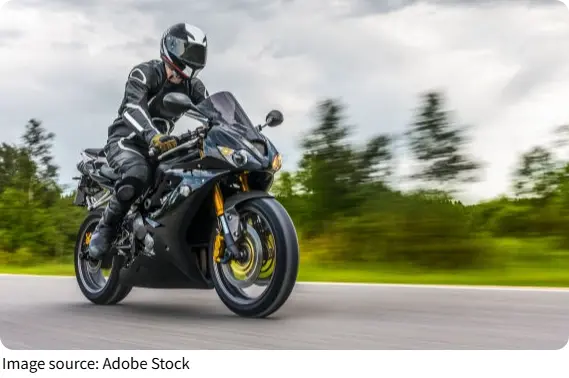
High-level riding is the result of repeatable technique. Precise control, effective observation, appropriate speed, controlled braking, balanced positioning, and disciplined cornering should work together naturally.
The most experienced riders often make complex skills appear simple because they have developed reliable habits through practice. The goal is not dramatic riding, but smooth, precise, aware, and responsible motorcycle control.