Europe’s EV Shift

Amit Sharma
| 17-09-2026
 · Vehicle Team
Europe’s electric vehicle market is expanding rapidly, but growing EV sales do not automatically translate into stronger results for the region’s traditional car manufacturers.
While more consumers are choosing battery-powered vehicles, automakers are facing increasing pressure from lower-cost competitors, changing demand patterns and the expensive transition away from combustion engines.
The rise of electric vehicles represents a major transformation for the European automotive industry. However, the shift is creating both opportunities and risks for manufacturers that must invest heavily in new technology while protecting their market position.
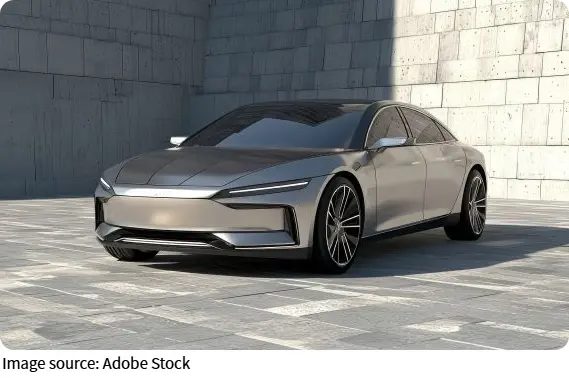
EV Sales Continue to Grow
Electric vehicle registrations across Europe have continued to increase as governments, companies and consumers move towards lower-emission transport.
Several factors are supporting this growth. Stricter emissions regulations, wider model availability and improvements in battery technology have encouraged more buyers to consider electric cars. Manufacturers have expanded their electric line-ups, offering more choices across different vehicle categories.
However, strong EV sales figures do not necessarily mean that European automakers are benefiting financially. The transition requires significant investment in battery production, software development, factories and supply chains.
Pressure from Chinese Manufacturers
One of the biggest challenges for European car companies is growing competition from Chinese electric vehicle manufacturers.
Chinese brands have expanded quickly in Europe by offering competitively priced electric cars with advanced technology and attractive features. Their ability to produce vehicles at lower costs has increased pressure on established European manufacturers.
Companies such as Volkswagen, Stellantis, BMW and Mercedes-Benz are investing heavily in electrification, but they must compete in a market where price competition has become increasingly important.
European manufacturers have traditionally relied on strong brand reputation and engineering expertise. However, the electric vehicle market has changed the competitive landscape, with battery technology, software and production efficiency becoming equally important factors.
Profitability Becomes a Challenge
Although demand for electric vehicles is increasing, profitability remains a major concern for many automakers.
Electric vehicles often have lower production costs in the long term, but developing them requires substantial upfront investment. Companies must spend billions on new platforms, battery facilities and research while managing the decline of traditional combustion-engine models.
At the same time, customers are becoming more price-sensitive. Discounts and incentives used to encourage EV adoption can reduce profit margins, creating additional pressure on manufacturers.
The challenge is finding a balance between making electric vehicles affordable for consumers and ensuring that production remains financially sustainable.
European Automakers Adapt
To remain competitive, European manufacturers are adjusting their strategies. Many companies are focusing on reducing production costs, improving battery technology and developing more affordable electric models. Partnerships with battery producers and technology companies are becoming increasingly important as the industry becomes more complex.
Automakers are also investing in software capabilities because modern electric vehicles rely heavily on digital systems, connectivity and automated features.
The Future of Europe’s Auto Industry
The growth of electric vehicle sales shows that Europe’s transition towards cleaner transport is continuing. However, the success of this transformation will not be measured only by the number of EVs sold.
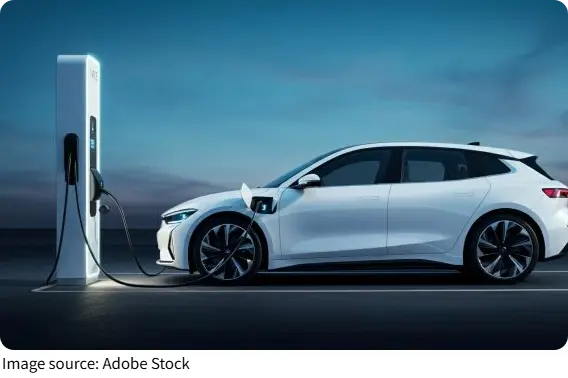
For European manufacturers, the key challenge is turning rising demand into sustainable business growth. They must compete with new global rivals, manage high investment costs and adapt to a rapidly changing industry.
The electric vehicle revolution is creating new opportunities, but it is also testing the strength and adaptability of Europe’s traditional automotive leaders. The companies that successfully combine innovation, efficiency and competitive pricing will be best positioned for the next stage of the automotive market.