Baroque Drama

Arvind Singh
| 17-09-2026
 · Photography Team
Baroque architecture is known for movement, dramatic lighting, rich decoration, and optical illusions. Buildings from this period were designed to create strong visual and emotional experiences. Curved walls, painted ceilings, sculpture, and gilded details work together to guide the viewer's attention. Instead of treating each feature separately, it combines them into one carefully planned composition.
This guide explains the main features to notice when exploring a Baroque interior. Movement, light, perspective, sculpture, and decoration all contribute to the overall effect. Understanding how these elements work together can make a visit more engaging and help reveal the visual structure behind an interior that may initially appear complex or overwhelming.

The Drama Machine
Baroque spaces were designed to create an immediate impression. Architects and artists used shape, scale, light, and decoration to make interiors feel active rather than static. While earlier classical architecture generally emphasized balance, proportion, and calm order, Baroque design introduced greater movement, contrast, and emotional intensity without completely abandoning those earlier principles.Why Everything Moves
Baroque architecture often uses curved walls, twisted columns, rounded forms, and flowing decoration. These elements create visual movement across the interior and encourage the eye to travel from one feature to another. Instead of focusing only on a central view, look sideways, upward, and diagonally to see how arches, frames, windows, and decorative details connect different parts of the space.
A useful approach is to stand near the entrance before walking forward. Many Baroque interiors are arranged to create a strong first impression from this position, allowing visitors to see the main visual route through the building. Notice how curves and architectural lines gradually direct attention toward important features, often leading the eye from the entrance toward an altar, sculpture, or painted ceiling.
Light Plays Tricks
Light is an important part of Baroque design. Architects used windows, concealed openings, reflective gilding, bright surfaces, and darker corners to create contrast and guide attention. A sculpture may appear to glow because of light entering from the side, while gold details can remain visually prominent even when the surrounding area is relatively dim.
As you move through the building, notice how the atmosphere changes. Bright areas often emphasize important features, while shadows create depth and make nearby decoration appear more dramatic. Try following one bright element and identifying why it stands out. Its effect may come from a nearby window, a reflective surface, or the contrast created by a darker background.
Ceilings Become Illusions
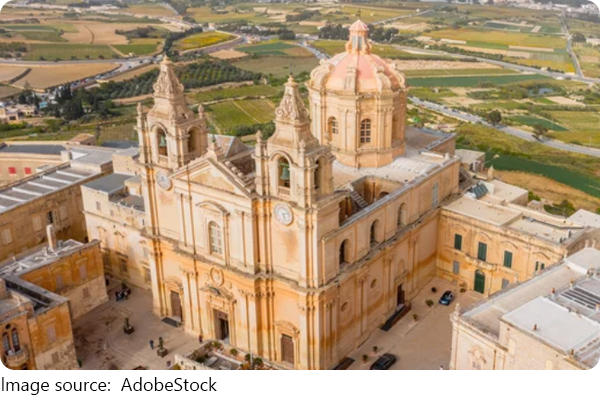
Baroque ceilings frequently use perspective to make painted surfaces appear larger, deeper, or more open than they actually are. This technique is often associated with <i>quadratura</i>, in which painted architecture appears to extend the real structure. Columns, balconies, clouds, and figures may seem to continue beyond the physical ceiling, creating an impression of space opening toward the sky.
Look at a ceiling painting from several positions rather than remaining in one place. Some illusions are designed to work best from a particular viewpoint, and the perspective may appear distorted when seen from another angle. The central aisle or entrance often provides a strong viewing position, while moving slowly from side to side can reveal the techniques used to create the illusion.
How To Read It
Baroque interiors can initially appear visually crowded because architecture, sculpture, painting, marble, and gilding are often combined in the same space. Instead of trying to examine every detail at once, focus on how individual elements guide your attention. Breaking the interior into visual paths and smaller features makes the overall design easier to understand.Follow The Main Path
Most Baroque interiors carefully control the viewer's movement. Floors, columns, arches, light, and decoration can direct attention from the entrance toward a central focus point. Follow this route slowly and observe what changes as you move forward. Important areas may become brighter, larger, taller, or more heavily decorated, creating a gradual increase in visual intensity.
This arrangement creates a progression through the building. The entrance introduces the space, the middle develops its complexity, and the main focus usually delivers the strongest visual effect. Pause near the entrance, halfway through the interior, and close to the central feature. At each point, compare the amount of light, height, decoration, and detail around you.
Look For Emotional Faces
Baroque sculpture and painting often use dramatic gestures and expressive faces. Figures may reach upward, turn their bodies, point toward another scene, or react intensely to an event. These poses create a sense of movement, but they also help direct the viewer's attention through the artwork and connect different figures within a larger composition.
When looking at a group of figures, follow their faces, hands, and body positions. A raised arm, turned head, or upward gaze can act as a visual signal leading toward another figure, object, or source of light. Even without knowing the complete story being represented, these gestures can help communicate the emotional direction of the scene.
Gold Is Not Just Showing Off
Gilding is one of the most recognizable features of many Baroque interiors. Beyond suggesting wealth and importance, gold has a practical visual function because it reflects light and highlights selected architectural details. In large or dimly lit spaces, gilded frames, capitals, altars, and ceiling edges can help important features remain visible and guide the eye through the interior.
Gold also creates contrast with white plaster, dark marble, painted surfaces, and colored stone. Rather than viewing it as simple decoration, pay attention to where it appears and which features it emphasizes. You may notice that separate golden details form a visual path across the room, connecting architecture and decoration while indicating places where the viewer's attention is meant to pause.
Curves Make Space Feel Active
Curved walls, oval rooms, rounded chapels, and flowing facades are common features of Baroque architecture. These forms reduce the rigid appearance of simple geometric structures and create smoother connections between different parts of a building. A curve can also keep the eye moving, allowing one architectural feature to lead naturally toward the next.
This is one reason Baroque interiors can feel active even when completely empty. Movement is created through shape, proportion, direction, and the relationship between different surfaces. Baroque architecture ultimately combines curves, light, illusion, sculpture, and decoration into a unified visual experience. By entering slowly, following the main path, watching the light, and looking upward, visitors can better understand how each element contributes to the drama of the space.
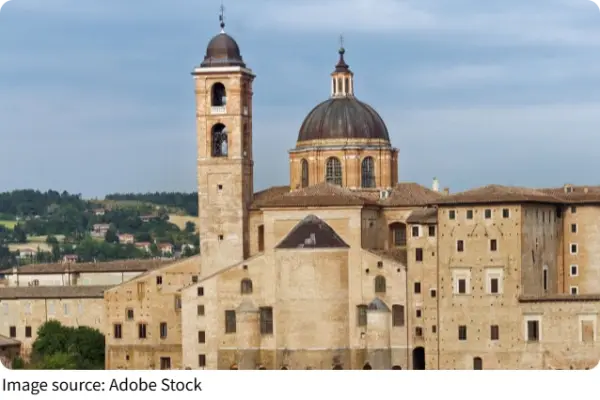
Next time you visit one of these dramatic historic spaces, treat it like a clever stage set made of stone, paint, and surprise. The building will start telling its story before anyone says a word.