Sports Car Braking

Santosh Jha
| 25-09-2026
 · Vehicle Team
Sports cars are engineered for rapid acceleration, responsive handling, and precise speed control.
Braking is therefore a fundamental part of their performance, requiring more than simply generating strong stopping force.
Engineers develop braking systems as part of the vehicle's complete chassis package. Brake hardware, tires, suspension, cooling, weight distribution, and electronic controls are carefully matched to produce predictable deceleration and consistent driver feedback.
High-Performance Brake Hardware
Sports cars may use large brake discs, performance-oriented calipers, and specialized friction materials to meet demanding braking requirements. Disc dimensions and caliper characteristics are selected according to factors such as vehicle mass, wheel size, thermal capacity, and intended use.
The objective is a properly matched system rather than maximum component size. Each part must operate effectively within the vehicle's overall design.
Thermal Management
Braking converts kinetic energy into heat, placing substantial thermal demands on the braking system during repeated high-load use.
Ventilated discs, airflow management, and suitable brake materials help control operating temperatures. Effective thermal design allows the system to maintain more consistent performance during repeated braking, particularly in demanding driving environments.
Tire Performance
The brakes generate force, but the tires transfer that force to the road. Available tire grip therefore has a direct effect on deceleration and steering response.
Performance-oriented tires can use specialized compounds, construction, and tread patterns to provide strong road contact. Their available grip varies with temperature, surface conditions, inflation pressure, and tire condition.

Brake Balance
Braking shifts vehicle load toward the front, changing the amount of traction available at each axle. Engineers account for this dynamic when establishing front-to-rear brake force distribution.
Proper brake balance helps the vehicle remain predictable as braking forces change. Electronic controls can further regulate pressure when differences in available traction are detected.
Suspension Tuning
Suspension design influences how the vehicle responds as it slows. Appropriate damping, spring characteristics, and suspension geometry help manage changes in load while maintaining effective tire contact.
A well-tuned setup does not rely solely on stiffness. Instead, it balances body control with the ability of the tires to maintain consistent contact with the road.
Weight Management
Vehicle mass directly affects the energy that must be dissipated during braking. Reducing unnecessary weight can lower the demands placed on the braking system while also supporting handling and acceleration.
Lightweight wheels, braking components, body structures, and other materials can contribute to lower overall mass. Weight management is consequently an important element of sports car engineering.
Electronic Braking Control
Modern sports cars use electronic systems to regulate braking and vehicle dynamics. Anti-lock braking systems can rapidly adjust brake pressure when a wheel approaches lockup, helping maintain steering capability during hard braking.
Other control systems use information such as wheel speed and vehicle movement to manage braking and traction responses. These technologies supplement the mechanical braking system and help it respond to changing road conditions.
Integrated Vehicle Engineering
Braking performance is ultimately determined by how effectively the vehicle's systems work together. Brake hardware provides the primary braking force, while tires determine available road grip and suspension influences vehicle response.
Cooling manages thermal demands, weight affects the energy being controlled, and electronic systems help regulate braking behavior. Bringing these elements together allows a sports car to deliver predictable deceleration and precise responses across demanding driving conditions.
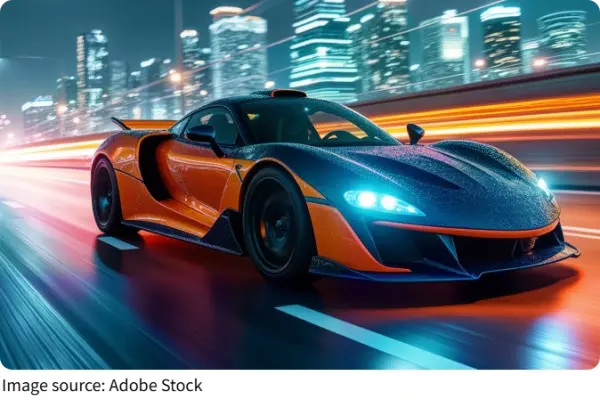
Precision Through Balance
A capable sports car braking system is the result of careful engineering rather than a single high-performance component. Hardware selection, thermal management, tire characteristics, suspension tuning, weight reduction, and electronic control each serve a specific purpose.
When these elements are properly matched, braking becomes an integrated part of the vehicle's performance, giving the driver consistent speed reduction and a clear, predictable response.