Jewelry Styling Simplified

Nolan O'Connor
| 14-08-2026
 · Lifestyle Team
Jewelry has the power to transform even the simplest outfit. A delicate necklace can frame the face, earrings can draw attention to your features, and a bracelet or ring can add a refined finishing touch.
Elegant styling is not about wearing more pieces; it is about choosing accessories that work in harmony with your clothing.
Whether your wardrobe is casual, professional, or evening-focused, these simple principles will help you create a polished and balanced appearance.
Start with the neckline
The neckline is the foundation of jewelry styling because it naturally guides the eye. When a necklace follows the shape of the neckline, the outfit feels intentional and well balanced.
A V-neck pairs beautifully with pendant or drop necklaces that mirror the shape of the neckline. Crew necks work best with medium-length or statement necklaces that sit above the fabric. Off-the-shoulder styles highlight the collarbone, making chokers and short necklaces especially flattering. High necks benefit from longer chains or layered necklaces that create vertical length.
Choosing the necklace after choosing the neckline is often the easiest way to make an outfit feel coordinated.
Keep casual outfits effortless
Relaxed clothing works best with jewelry that feels light and natural rather than dramatic. Thin chains, small hoops or stud earrings, delicate bracelets, and minimal layered necklaces are excellent choices.
These pieces add polish to knitwear, cotton shirts, jeans, and relaxed dresses without overwhelming the outfit. The goal is to enhance the overall appearance while keeping it fresh and easy to wear.
Refine professional dressing
Structured clothing pairs best with jewelry that has clean lines and a polished finish. In professional settings, simplicity usually creates the strongest impression.
Pearl or metal studs, slim bracelets, medium-length necklaces, and simple rings are particularly effective. Instead of combining several bold accessories, choose one refined focal point. A single elegant necklace or a pair of sophisticated earrings is often enough to complete the look.
Style Tip
If your blazer, shirt, or dress already has strong tailoring or decorative details, keep the jewelry understated so the overall look remains balanced and professional.
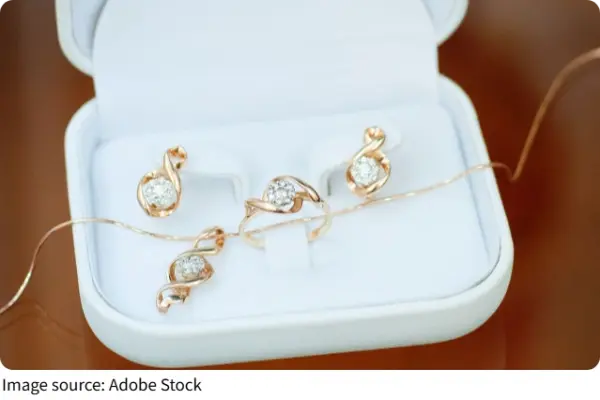
Let bold clothing take the lead
Bright colors, large prints, sequins, or dramatic silhouettes already create visual impact. Jewelry should support these outfits rather than compete with them.
Choose small earrings, a thin necklace, one bracelet, and minimal rings. This creates contrast and allows the clothing to remain the main visual feature.
A useful rule is simple: the more expressive the outfit, the more restrained the jewelry should be.
Add impact to evening looks
Evening dressing allows for more shine, texture, and presence. This is the moment to introduce statement pieces that feel elegant rather than excessive.
Statement earrings, layered necklaces, metallic cuffs, and gemstone accents can all work beautifully. The secret is to let one element lead the look. If the earrings are dramatic, keep the necklace subtle. If the necklace is bold, choose simpler earrings.
Evening Rule
Choose one dominant piece and let the remaining jewelry play a supporting role. This creates a more elegant and polished result than wearing several competing statement pieces.
Match metals to the mood
Metal tones can influence the feeling of an outfit. Silver tends to complement black, white, gray, navy, and other cool shades. Gold pairs naturally with beige, cream, brown, olive, and other warm shades.
Mixing metals can also look modern when repeated intentionally throughout the outfit. For example, combining gold earrings with a gold-accented bracelet creates a subtle sense of connection and harmony.
Layer with intention
Layering adds depth and personality, but it works best when each piece has room to stand out. Use different chain lengths, stay within a similar metal family, limit the number of focal pieces, and leave visible space between layers.
Well-spaced layers feel elegant and effortless, while crowded layers can appear heavy and distracting.
Consider the fabric
The texture of clothing changes how jewelry is perceived. Smooth fabrics such as silk and satin suit polished, refined jewelry. Linen and cotton work best with natural, minimal pieces. Knitwear often needs medium-sized jewelry so it remains visible, while structured fabrics can handle bolder metallic designs.
Thinking about fabric first helps jewelry feel integrated into the outfit rather than added at the last minute.
The one-statement rule
One of the most reliable styling principles is to choose a single statement piece—a necklace, earrings, or a bracelet—and keep the remaining accessories subtle.
This creates clarity, prevents visual clutter, and gives the outfit a more sophisticated finish.
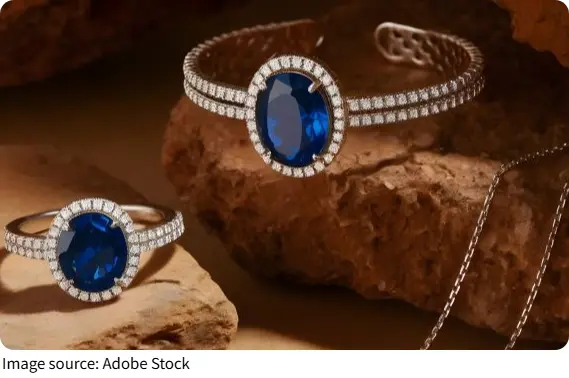
The finishing touch
Great jewelry styling is about harmony, not excess. Begin with the neckline, consider the occasion, balance boldness with simplicity, and allow one piece to take the lead. When clothing and jewelry complement each other, the result feels effortless, elegant, and confidently polished.