Night-Blooming Plants

Mukesh Kumar
| 14-08-2026
 · Nature Team
Hi, Readers! Some plants are basically the night shift champions of the garden.
While daytime flowers are out there waving bright petals like flashy billboards, certain plants wait until sunset to let their fragrance loose.
It is a clever little strategy, not a random mood swing. These plants are usually pollinated by nighttime creatures, so releasing scent after dark is like turning on a porch light for the exact guests they want.
The big reason comes down to pollinators. Many flowers depend on animals to move pollen from one bloom to another. During the day, bees, butterflies, and birds often use color as a guide. At night, that visual map gets a lot harder to read. So plants that rely on nighttime visitors need another way to get noticed.
Fragrance becomes their version of a glowing sign in the dark, drifting through the air and helping pollinators locate the flower.
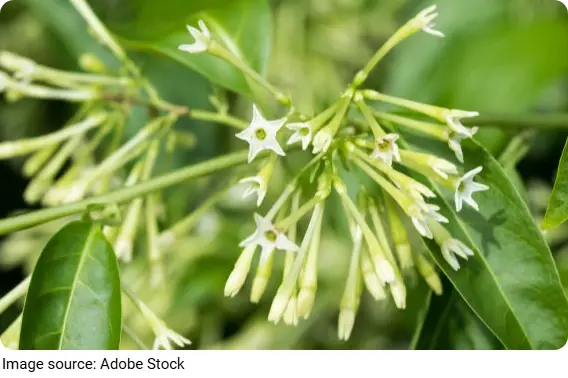
Why night scent matters
Plants that release fragrance at night are often visited by moths and bats. Since these pollinators are active after sunset, a strong scent helps guide them in low light.
White or pale flowers are also common among these plants because lighter colors are easier to spot in dim conditions. So the plant is not just using one trick. It is mixing visibility and fragrance like a smart host setting out both porch lights and clear directions.
Why not all day long
Making fragrance takes energy. Plants do not have an endless budget, so timing matters. If a flower's main pollinators only show up at night, producing scent during the day would be a bit like playing party music to an empty room.
By concentrating fragrance release when it is most useful, the plant uses its resources more efficiently and improves its chances of successful pollination.
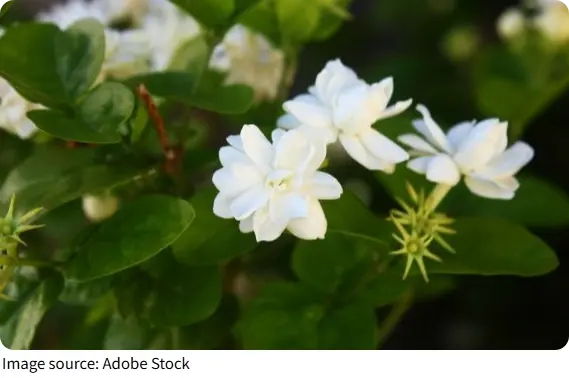
A good example
A classic case is the night-blooming jasmine, which becomes far more fragrant after dark. Other flowers follow similar patterns, opening or becoming more aromatic in the evening to match the schedule of their pollinators. This timing is part of a close relationship between plants and the animals that visit them, shaped by natural selection over a very long time.
So, why do certain plants release scent only at night and not during the day? Because they are expert planners, not slackers. They match their fragrance to the creatures that can help them reproduce, and they avoid wasting energy when those visitors are off duty.
Next time you catch a sweet scent in the evening air, take it as a little midnight memo from a flower doing business on the perfect schedule.