Safe Following Distance Tips

Pardeep Singh
| 06-08-2026
 · Vehicle Team
Hi, Friends! If you've ever felt that moment of panic when the car in front suddenly brakes and your heart jumps into your throat, you already know how important following distance really is.
It's one of those things we all kind of know we should pay attention to, but honestly, most of us underestimate it every single day. Let's talk about how to judge a safe following distance properly, because this little habit can make a huge difference.
Why Following Distance Matters So Much
When you're driving, your reaction time alone takes about one second before you even touch the brakes. Then the braking distance on top of that depends on your speed, the road condition, your tire quality, and your vehicle's weight.
All of this adds up fast. If you're too close to the car ahead, there's simply not enough space for you to stop safely. Rear-end collisions are one of the most common types of accidents on the road, and the main reason is almost always following too closely.
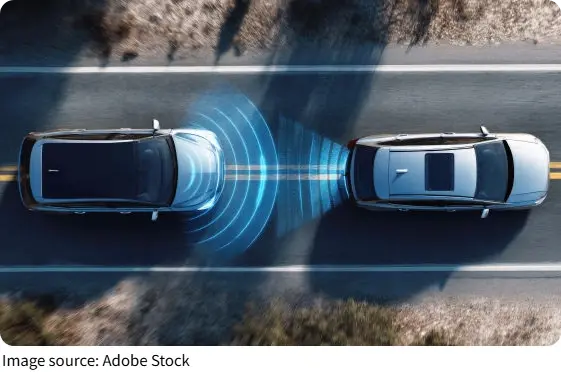
The Two-Second Rule
One of the most practical and widely recommended methods is the two-second rule. Here's how it works: pick a fixed point on the road ahead, like a road sign or a tree. When the rear of the car in front passes that point, start counting "one thousand and one, one thousand and two."
If the front of your car reaches that same point before you finish counting, you're too close and need to back off a little. This method is easy to use in everyday driving and works at most standard city and highway speeds. Under ideal conditions, two seconds gives you just enough buffer to react and brake safely.
Increase Distance in Bad Conditions
Two seconds is really the minimum for good weather and normal road conditions. When it's raining, foggy, or the road is slippery, you absolutely need to extend that gap. A four-second or even six-second following distance is much more appropriate in those situations.
Wet roads significantly reduce your tire's grip, and your braking distance can double or even triple. Don't let the pressure of traffic behind you push you into keeping a dangerously short gap. Your safety comes first, always.
Speed-Based Distance Guidelines
Here's a rough guide to help you think about it in actual meters too. At around 60 km/h, a safe following distance is roughly 30 to 40 meters. At 100 km/h on a highway, you're looking at 100 meters or more. At 120 km/h, that gap should be at least 120 meters.
A useful rule of thumb is to keep a distance in meters that's roughly equal to your speed in km/h, especially on the highway. Many highways also have painted road markers to help you visually judge the distance, so use them when you can.
Night Driving and Heavy Vehicles
At night, your visibility drops significantly, so your reaction time effectively increases because you see things later. This means you need even more space between you and the vehicle ahead.
Also, if you're following a large truck or bus, keep in mind that their braking distance is much longer than a regular car, and they may block your view of what's happening further ahead. Give them extra space, and try to position yourself so you can see around them when possible.

Stay Consistent, Not Reactive
A lot of drivers only think about following distance when they feel nervous or sense danger. But the real skill is making it a constant habit, no matter what. Don't tailgate just because everyone else seems to be doing it.
Don't rush to close the gap when another car merges in front of you. Just calmly ease back and maintain your buffer. It takes a little patience, but it's so worth it. Judging a safe following distance isn't complicated, but it does require genuine mindfulness every time you drive.
The two-second rule is your best friend for daily driving, and remember to stretch that gap when conditions aren't ideal. Drive with kindness toward yourself and others on the road, stay patient, and give everyone enough space to stay safe. You've got this!