Too Much Love

Pardeep Singh
| 14-08-2026
 · Nature Team
Hi, Readers! If you have ever hovered over a droopy houseplant with a watering can in hand, thinking a little more care would surely help, you are not alone.
A lot of struggling plants are not fading because they were forgotten. They are fading because they were loved a little too eagerly.
Overwatering is one of the most common reasons houseplants decline, and it can look surprisingly similar to underwatering at first glance. That confusion is what trips so many people up.
Plants need water, of course, but they also need air around their roots. When soil stays wet for too long, those roots cannot breathe the way they should. Instead of taking in what the plant needs, they begin to weaken, and that can lead to root rot. Once that starts, the plant may show yellowing leaves, limp stems, leaf drop, or a general wilted look that makes you think it needs even more water. It is such an easy cycle to fall into, especially when you are trying your best.
Why overwatering fools people
One of the trickiest things about overwatering is that the symptoms can mimic dryness. A plant with damaged roots may droop because it can no longer move water through the plant properly. So even though the soil is wet, the leaves can still look thirsty. Yellow leaves are another common sign, especially when several older leaves begin changing at once. If the soil smells musty or stays soggy days after watering, that is another clue that moisture is lingering too long.
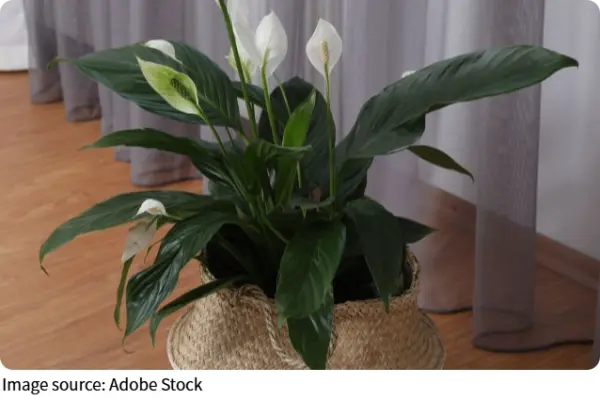
You may also notice soft stems, brown patches, or leaves falling off more easily than usual. In more serious cases, the roots turn dark and mushy instead of firm and pale. That is usually a strong sign of rot. If your plant sits in a decorative container without drainage, or if water collects in the saucer and stays there, the risk gets even higher.
How to tell what your plant really needs
Before reaching for water, check the soil first. That small pause can save a plant. Many houseplants are happier when the top inch or two of soil dries out between waterings. You can test this with your finger, a wooden skewer, or even by lifting the planter to get a feel for its weight. A light planter often means the soil is drying out, while a heavy one may still hold plenty of moisture.
It also helps to know that different plants need different routines. A leafy tropical plant may like more regular moisture, while a cactus or succulent needs much longer dry spells. Light, temperature, humidity, planter size, and season all affect how quickly soil dries. That is why a fixed schedule can be less helpful than simply checking the soil each time.
What to do if you have overwatered
If you think your plant has been getting too much water, the first step is to stop watering for a bit and let the soil dry appropriately. If the planter has drainage, make sure excess water can fully escape. Empty any saucer after watering so the roots are not sitting in leftover moisture. If the soil is dense and stays wet for too long, repotting into a better-draining mix may help.
For more serious cases, gently remove the plant from its planter and inspect the roots. Healthy roots usually feel firm. Damaged roots often look dark, soft, and mushy. Trim away the rotted parts with clean scissors, then repot the plant in fresh soil and a container with drainage. After that, go slowly. Give the plant time to recover instead of trying to fix everything at once.
How to care with more balance
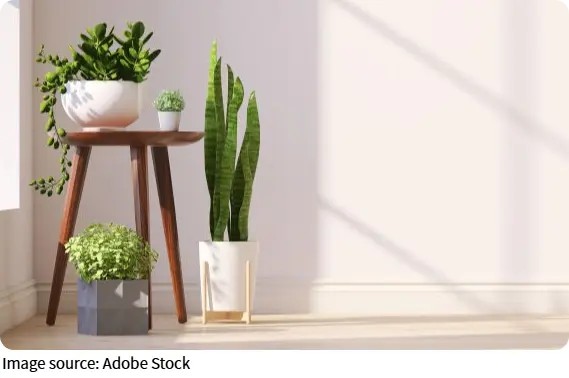
It is easy to think good plant care means doing more, but often it means noticing more. Watering should be a response to the plant and soil, not just a habit. Choosing planters with drainage, using the right soil mix, and learning the needs of each plant can make a huge difference. Even moving a plant to brighter light can help the soil dry at a healthier pace, depending on the plant.
If this has happened to you, please do not take it as a sign that you are bad with plants. It usually means you care a lot. The gentle shift is learning that roots need space, air, and a chance to dry a little too. Sometimes the kindest thing we can do is step back, observe, and let the plant tell us what it needs.
So if a plant in your home looks tired, pause before adding more water. Check the soil, look at the roots if needed, and trust that care does not always mean more. Sometimes love looks like patience, and that small change can bring a plant back to life in the sweetest way.