Snow Gear Basics

Declan Kennedy
| 23-05-2026
 · Sport Team
The first time you step into a snowy open space, it looks calm and almost quiet, but that calm can change fast once your body starts reacting to the cold.
Hands stiffen, feet lose warmth more quickly than expected, and even a short walk can feel longer than planned.
The difference between a rough outing and a smooth one usually comes down to what you bring with you, not how strong or experienced you are.
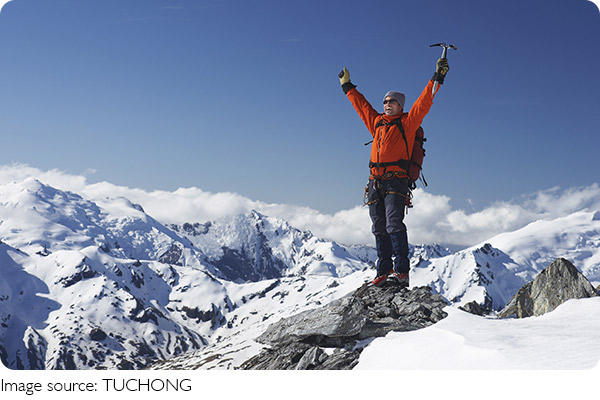
Layering that actually works
The idea of layering sounds obvious, but the real trick is making each layer do a job. The base layer sits closest to your skin and should feel dry even when you move a lot. Mid-layers hold warmth, usually something like fleece or light insulated jackets that trap air without feeling heavy. The outer layer is your shield against wind and moisture, so it needs to block cold air while still letting your body breathe a bit.
A common mistake is wearing one very thick jacket and calling it done. That usually leads to sweating during movement and then cooling down too quickly once you stop. Flexible layers let you adjust on the go, which matters more than people expect.
Hands, feet, and small details
Extremities are the first to complain in cold environments. Good gloves are not just about thickness; they need grip, flexibility, and a fit that still allows you to move your fingers. Sometimes carrying a thinner pair inside a heavier shell glove helps when conditions change.
Feet deserve similar attention. Insulated socks paired with sturdy, waterproof footwear make walking on snow far more stable. Even small gaps where cold air sneaks in can change your comfort level fast, so sealing those points matters more than adding extra bulk.
Another overlooked detail is eye protection. Bright snow reflects light strongly, so simple tinted glasses or snow goggles help reduce strain and improve visibility when everything around you is bright and white.
Backpack essentials that save the day
A well-packed bag keeps things simple. A warm drink in a sealed bottle helps maintain comfort during breaks, while quick snacks provide steady energy without slowing you down. A compact first-aid kit is useful even for short trips, since minor scrapes or blisters can become more uncomfortable in cold conditions.
A lightweight sit pad is another small item that makes a big difference. Sitting directly on snow drains heat quickly, while a thin insulated layer keeps you comfortable during rest stops. Many people only realize its value after trying it once.
Navigation tools, even simple offline maps on a phone, help keep direction clear when visibility changes. Cold conditions can make batteries drain faster, so keeping devices close to your body helps them last longer.
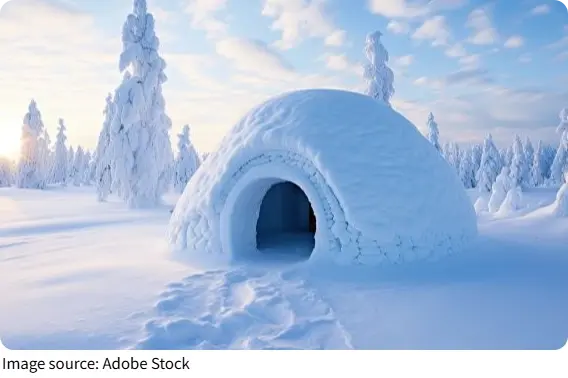
Moving smart, not fast
Cold environments reward steady movement over speed. Taking short breaks in sheltered spots, adjusting layers before overheating, and pacing yourself all help maintain energy. The goal is not to push through discomfort but to stay consistently comfortable so the experience remains enjoyable.
When everything is prepared well, snow stops feeling like an obstacle and becomes part of the experience instead of something to fight against. That shift usually comes from small decisions made before stepping outside, not big gear upgrades or complicated setups.