Flight Delay Causes

Owen Murphy
| 12-05-2026
 · Astronomy Team
Air travel connects cities and countries in a fast and efficient way, making long-distance movement much easier than in the past.
However, even with advanced systems, schedule changes such as delays or cancellations can still happen.
Passengers may arrive at the airport well in advance, only to find that departure times shift or flights are suspended. While this can be inconvenient, these adjustments are usually tied to complex safety and coordination systems operating behind the scenes.
Modern aviation is built on precision and risk management. Every change in timing is connected to real-time information from weather systems, airport operations, and global air traffic networks.
Weather Factors That Shape Flight Safety
Weather conditions are one of the most influential elements in aviation planning. It is not only about visible conditions like rain or snow at ground level.
In aviation, factors such as low visibility, dense cloud layers near runways, thunderstorm activity, and strong crosswinds are carefully monitored. Even if the sky looks calm from the ground, conditions at cruising altitude or along the flight route may differ significantly.
Weather is evaluated across multiple stages of a journey. This includes departure airports, arrival airports, and intermediate air routes. Aircraft performance, crew assessment, and airport readiness are all considered together before a flight is cleared.
In some cases, even after weather conditions improve, earlier disruptions may continue to affect scheduling due to aircraft repositioning and network coordination.
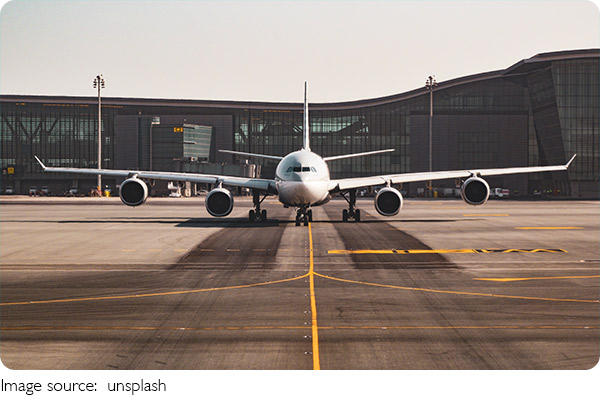
Managing Busy Air Traffic Systems
Airspace is shared by many aircraft operating at the same time. To maintain safety and order, air traffic coordination systems manage the movement of planes in controlled regions.
During peak travel periods, airports handle a high volume of arrivals and departures. Without coordination, this could lead to congestion in both air and ground operations.
To avoid this, aircraft are sequenced carefully. Some flights may be temporarily held before landing, while others may wait for clearance before takeoff. These adjustments help maintain safe spacing between aircraft at all times.
Air traffic controllers continuously monitor the situation and guide aircraft along safe and efficient paths through the sky.
Flow Control and System Balance
Flow control is another important part of aviation management. It regulates how many aircraft can enter a specific airspace or airport area within a set time period.
When demand is high or conditions are limited, aircraft are scheduled in controlled intervals. This can result in waiting time either on the ground or in holding patterns during flight.
Flow control works closely with air traffic coordination systems. Together, they ensure that the overall aviation network remains balanced and safe.
Although passengers may experience waiting periods, these measures help prevent congestion and maintain stability across global flight routes.
Technical and Operational Influences
Beyond weather and traffic systems, technical and operational factors also affect flight timing.
Aircraft must pass strict inspection procedures before departure. Maintenance checks ensure that all systems meet safety standards. Even minor technical adjustments can influence scheduling.
Crew planning is another important element. Flight teams operate under regulated working hours designed to maintain alertness and performance. Adjustments may occur when schedules overlap or operational limits are reached.
Airport infrastructure also plays a role. Runways, navigation systems, and ground support operations must all function smoothly. Any disruption in these areas can influence departure sequencing.
Understanding the Bigger Picture of Air Travel
Although delays or cancellations can feel inconvenient, they are part of a highly coordinated system designed to ensure safe and reliable travel.
Aviation depends on constant communication between weather monitoring, traffic management, and operational planning. Each adjustment is made to reduce risk and maintain stability across a global network.
From a passenger perspective, these processes may appear as waiting time. However, behind each decision is a structured evaluation of multiple safety and efficiency factors.
Understanding this system can help make travel expectations more flexible and reduce frustration when schedules change.
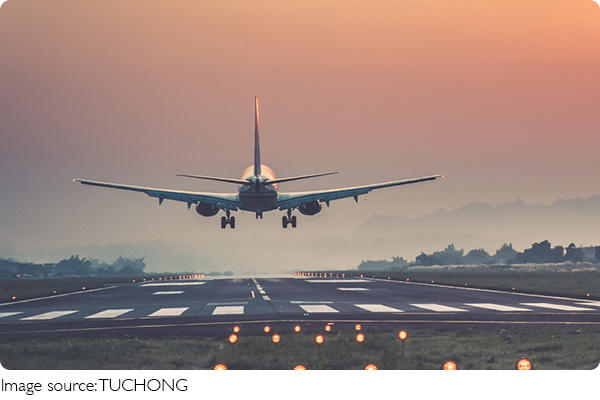
Why Flight Timing Changes Matter
Air travel is more than simply moving from one place to another. It is a carefully managed system where timing, safety, and coordination must work together.
Lykkers, when flight schedules shift, it reflects adjustments made within a global network designed to support safe journeys. Weather conditions, traffic flow, and operational readiness all play a part in shaping the final timetable.
With this perspective, travel becomes easier to understand, even when plans change along the way.