Walnut Wonders

Arvind Singh
| 17-03-2026
 · Food Team
Have you ever cracked open a walnut and wondered why this humble nut is so highly regarded around the world? Walnuts have a long history and a remarkable profile of nutrients and benefits that make them more than just a snack.
From ancient origins to modern scientific discoveries, walnuts stand out as one of the most intriguing nuts in human culture and diet. Drawing on reliable sources, we explore surprising facts about walnuts that go well beyond their familiar flavor.
Origins and Name
Walnuts have a story that stretches back thousands of years. The word “walnut” comes from the Old English wealhhnutu, which literally means “foreign nut”, reflecting how this nut was once a prized import from distant lands.
Historically, walnuts are considered one of the oldest food trees known to humans, with evidence of cultivation dating as far back as 7000 BC. This ancient lineage highlights how early societies valued walnuts long before modern nutrition science existed.
10 Interesting Walnut Facts
Walnuts are fascinating on many fronts — here are some noteworthy points from research and historical records:
1. Walnuts may help lower cholesterol levels. Studies tracked over 61 research papers and showed that regular walnut consumption can reduce LDL cholesterol — a factor linked to heart disease.
2. They may reduce the risk of type 2 diabetes in women. Long term nutritional tracking found that walnut eating was associated with lower diabetes risk in women.
3. Regular walnut consumption can improve memory and brain function. Research has shown that incorporating walnuts into the diet may enhance memory and cognitive processing.
4. Walnuts are the only nuts that provide a significant amount of plant based omega 3 fatty acids. These essential fats are associated with heart and brain health.
5. Nutrient rich profile includes magnesium, protein, fiber, and antioxidants. These compounds work together to support various body functions.
6. Walnuts contain compounds such as ellagic acid and polyphenols that act as antioxidants. Antioxidants help combat oxidative stress, a factor in aging and disease.
7. Their rich antioxidant content mainly resides in the brown skin. Leaving the skin on increases the potential benefits from these plant compounds.
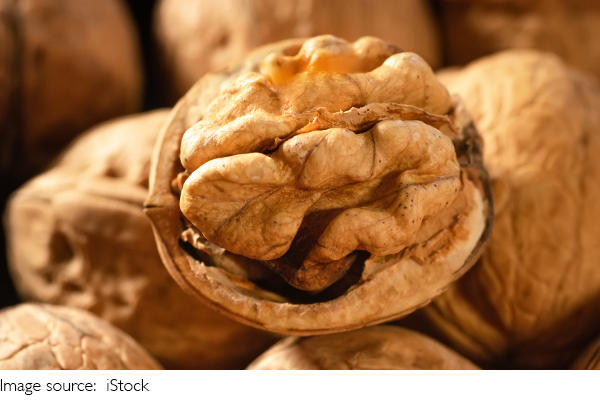
8. The shape of a walnut resembles a human brain, an observation ancient cultures noted long before scientific evidence linked walnuts to brain health. This visual association has helped popularize walnuts as “brain nuts.”
9. Global cultivation dates back to Central Asia and the Mediterranean, spreading with human migration and trade. Variety and cultivation patterns reflect centuries of agricultural spread.
10. The walnut's Latin name Juglans regia was shared by the Romans as they introduced the nut across Europe and into Britain.
Nutritional and Health Highlights
Walnuts are not just historically interesting; they are nutrient powerhouses. Research shows that walnuts are rich in antioxidants and healthy fats that may support heart health and brain function. While health headlines often emphasize benefits like improved cholesterol and potential reduced disease risks, these outcomes are grounded in measured nutrient content and bioactive compounds found within the nut.
For example, walnuts contain important minerals such as vitamin E and copper, which play key roles in immune function and cellular health. They're also a significant source of polyunsaturated fats, including omega 6 fatty acids, which differentiate them from many other nuts.
How Walnuts Fit Into Daily Life?
Incorporating walnuts into your diet can be simple and versatile. You can add them to salads, snacks, baked goods, or cereals — ways that enhance texture and flavor while delivering nutritional support. Regular, moderate consumption connects tradition and modern nutrition science, showing that what humans valued millennia ago still has relevance today.
Walnuts also remind us of how ancient foods can align with contemporary dietary science. The combination of historical fascination, nutrient density, and ongoing research gives walnuts a unique place in conversations about wholesome eating.
Conclusion: A Nut With a Story
From its ancient beginnings as a “foreign nut” to its modern reputation as a nutrient dense food, the walnut carries stories of culture, biology, and health. Its rich nutritional profile complements a long history of human use, while ongoing research continues to uncover fascinating aspects of how this nut may support well being. Walnuts illustrate how foods can bridge history and science — a reminder that every ingredient we enjoy may carry deeper significance than we first imagine.