Light in Architecture

Nolan O'Connor
| 17-03-2026
 · Photography Team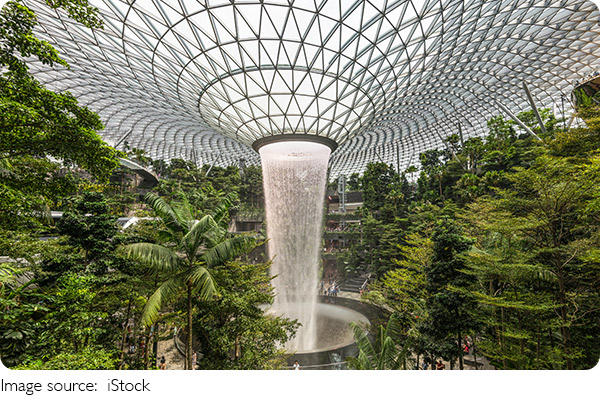
Imagine walking into a room that feels immediately warm and inviting or stepping into a stark, sterile space that makes you feel uncomfortable. What's the difference? Light. It's often taken for granted, yet light has a profound influence on how we experience architecture.
Whether it's the soft glow of a skylight or the dramatic effect of artificial lighting, light is an essential design tool that shapes the way we interact with our surroundings. It's not just about brightening a room or making sure you can see—it's about atmosphere, mood, and creating an environment that reflects the purpose of the space.
Architects and designers understand this, which is why light plays such a vital role in the success of any building. When used correctly, light can bring a structure to life in ways that few other elements can.
The Science of Light and Space
Light does more than illuminate. It can influence how we perceive space, affect our mood, and even alter our sense of time. There are two main types of light that designers use: natural light and artificial light. Both have distinct effects, but when combined strategically, they can transform an ordinary space into something extraordinary.
1. Natural Light: It's the light we get from the sun, and it's often seen as the most desirable form of illumination. Natural light is dynamic—it changes throughout the day and across seasons, which can create different atmospheres within the same space. Architects often design buildings with large windows, glass walls, and open spaces to bring in as much natural light as possible. Not only does this reduce energy consumption, but it also helps connect the indoor environment with the outside world, creating a sense of openness and fluidity.
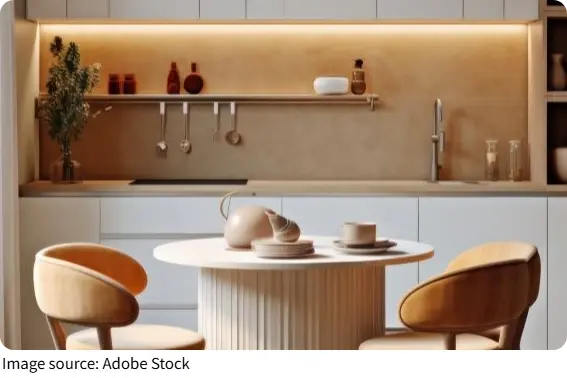
2. Artificial Light: While natural light is ideal, it's not always available in every part of the world, or at all times of day. That's where artificial light comes in. Modern artificial lighting has come a long way, allowing for greater flexibility in design. LEDs, for example, are energy-efficient and versatile, offering different hues and intensities that can completely alter the feel of a space. Artificial light is used to enhance architectural features, highlight focal points, and create depth.
How Light Enhances Architectural Elements?
Light is not just about filling a space with brightness—it's about accentuating the design and architecture of a room or building. Proper lighting can bring out the best in materials, textures, and forms, adding complexity to even the simplest designs.
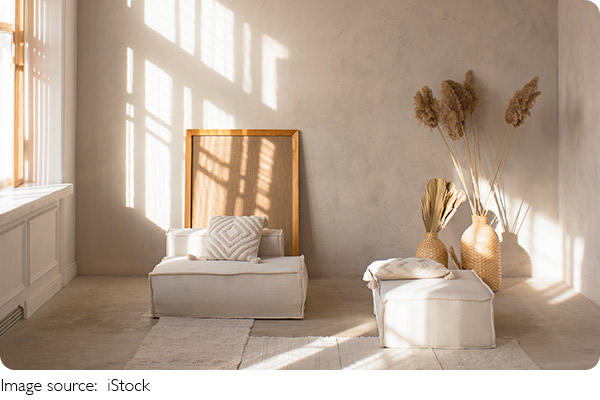
1. Highlighting Textures and Materials: The interplay of light and shadows can enhance the texture of surfaces like brick, stone, or wood. When light strikes these materials at different angles, it creates shadows that emphasize their tactile qualities. For example, the roughness of a stone wall may become more apparent when light is cast across it from one side, making the surface feel more dramatic and tactile. Architects use this principle to create an inviting atmosphere and a sense of depth in a space.
2. Creating Mood and Atmosphere: Lighting is one of the most powerful tools for setting the mood of a space. Warm, soft lighting can make a room feel cozy and intimate, while bright, harsh lighting can make it feel clinical or impersonal. In large public buildings, like museums or concert halls, lighting is used to guide movement and create an experience that engages visitors. For instance, in a gallery, lighting may be used to focus attention on a piece of art, making it the focal point of the room, while other areas are dimmer, creating a sense of anticipation as people move through the space.
3. Opening Up Spaces: Light can also be used to make small or narrow spaces feel larger and more expansive. By strategically placing light fixtures or allowing natural light to flood a space, architects can visually open up tight areas. For example, light bouncing off white walls can reflect throughout a room, creating an illusion of space. In places like apartments or city buildings with limited square footage, this technique is essential to create a sense of openness without expanding the physical footprint.
Light as a Storyteller in Architecture
Light isn't just about functionality—it also serves a symbolic purpose in architecture. The way light is used can convey messages and tell a story about the building or its purpose. Think about the way light pours through a skylight in a modern museum or the way it flickers inside a bustling restaurant. Every use of light creates a narrative.
For example, in a home, the position of windows and the amount of light allowed inside can convey a sense of comfort and connection to the outdoors. In spiritual or ceremonial spaces, light may be used in symbolic ways, illuminating certain areas or objects to elevate them, giving them an air of significance. In this way, light goes beyond mere illumination—it becomes a metaphor, adding depth and meaning to the space.
The Role of Light in Sustainability
In today's world, where sustainability is more important than ever, light also plays a critical role in eco-friendly architecture. By maximizing the use of natural light, architects can reduce energy consumption and lower the building's carbon footprint. Large windows, skylights, and glass facades not only bring in light but can also create a connection to the environment outside, making buildings feel more integrated with nature.
Moreover, advancements in artificial lighting technologies, such as motion sensors and smart lighting systems, help reduce energy waste. These systems can adjust the lighting based on the time of day or the occupancy of a space, ensuring that energy is used efficiently. As cities grow, integrating natural light and energy-efficient artificial lighting is essential for creating buildings that are both sustainable and livable.
The Future of Light in Architecture
As technology advances, the way we use light in architecture will continue to evolve. One of the most exciting developments is dynamic lighting—lighting systems that adjust in real-time based on environmental factors or human presence. This could mean that buildings adapt to the needs of their occupants, providing the right lighting at the right time. Smart cities are already exploring how lighting can be integrated into the urban fabric to enhance not only building design but the entire public environment.
Additionally, new materials such as photochromic glass and light-absorbing surfaces are pushing the boundaries of what light can do in architectural design. These materials can change their properties depending on the amount of sunlight, creating dynamic, responsive environments.
Final Thought: The Magic of Light
In architecture, light is a silent collaborator that can shape the experience of a space in ways that go beyond mere functionality. It guides us, sets the mood, reveals textures, and even tells stories. When used thoughtfully, light has the power to turn ordinary spaces into extraordinary environments. As design continues to evolve, the possibilities for incorporating light into architectural spaces will only grow, creating more beautiful, sustainable, and dynamic buildings that enrich our lives.