Golden Flower Dye
Ethan Sullivan
| 10-03-2026
 · Nature Team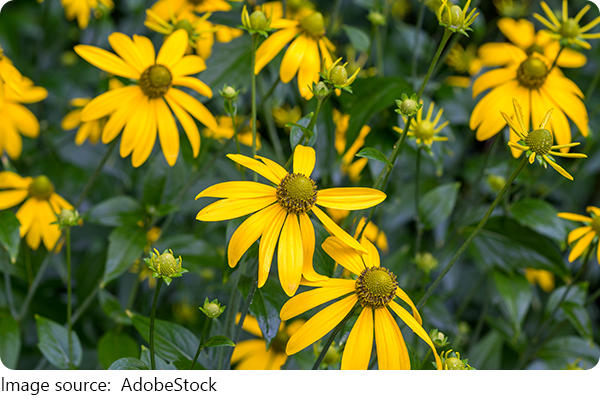
Have we ever stopped to think that some of the most vibrant colors come straight from nature? Anthemis tinctoria, also known as Sun Gold or Cota tinctoria, is one of those amazing plants.
Not only does it brighten gardens with its cheerful yellow flowers, but it also hides a secret: natural dyes. These golden petals have been used for centuries to produce bright, lasting yellow shades, and we can explore this tradition ourselves right at home.
Why Anthemis Tinctoria is Perfect for Dyes?
Anthemis tinctoria belongs to the daisy family and thrives in sunny, well-drained environments. Its flowers are rich in pigments that are highly effective for coloring fabrics. Unlike synthetic dyes, natural dyes from Anthemis tinctoria are safe, eco-friendly, and create a soft, organic look that is hard to replicate with chemicals.
We find it fascinating that something so simple—a handful of bright yellow flowers—can transform plain cloth into a warm, glowing masterpiece. By understanding how the plant works, we can make the most of its natural coloring power.
Harvesting the Flowers for Dye
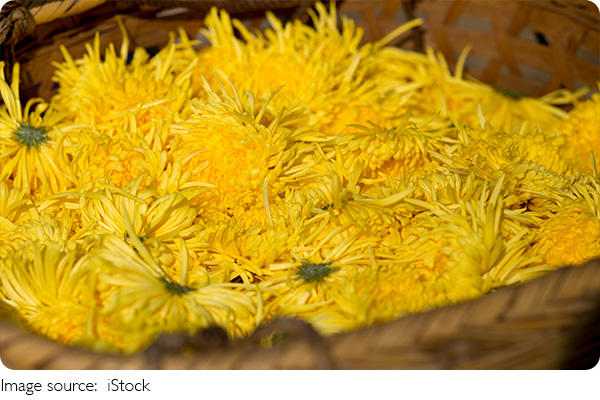
Timing is everything. We should harvest the flowers when they are fully bloomed, usually in late spring or early summer. Picking them in the morning, after the dew has dried, gives the best pigment.
Once collected, we can gently remove the petals and avoid crushing them too much, as the pigments are delicate. If we want to store the petals for later use, drying them in a cool, shaded area preserves their color and intensity.
Preparing the Dye Bath
We can make a dye bath by placing the fresh or dried petals in a pan of water and gently simmering them. The longer we simmer, the richer the color becomes, but we should be careful not to boil aggressively, which can dull the pigment.
Adding a natural mordant, like alum or cream of tartar, helps the dye bind better to fabrics and improves color fastness. By experimenting with water temperature and petal quantity, we can create anything from pale yellow to deep golden shades.
Dyeing Fabrics Step by Step
Before dyeing, we should pre-wash fabrics to remove any oils or residues that might block the pigment. Then, we immerse them in the warm dye bath and let them soak for at least an hour.
Gently stirring the fabric ensures even color distribution. Once the desired shade is reached, we remove the fabric, rinse it in cool water, and hang it to dry away from direct sunlight. Watching a plain piece of fabric transform into golden brilliance feels almost magical.
Creative Uses for Anthemis Tinctoria Dye
We can use these natural dyes for all kinds of projects. Clothing, scarves, table linens, or even homemade paper can benefit from the soft yellow tones. The subtle variations in color make every piece unique, adding a personal touch to our creative projects.
Additionally, experimenting with dyeing techniques like tie-dye or layering colors can produce surprising effects. By letting the plant guide our creativity, we can bring a little sunshine into everything we make.
Challenges and Tips for Best Results
Sometimes, natural dyes can be unpredictable. The same petals may produce slightly different shades depending on their age, the season, or water quality. We can overcome this by testing small fabric pieces first.
Using a mordant correctly and avoiding high heat preserves the vibrancy of the yellow pigments. Keeping notes on what works helps us refine our process, making future dyeing projects even more successful.
Let Nature Color Our Lives
Lykkers, Anthemis tinctoria teaches us that nature holds secrets waiting to be discovered. By using its bright flowers for natural dyes, we connect with centuries-old traditions while creating beautiful, eco-friendly colors ourselves.
From harvesting petals to watching fabrics turn golden, the process is rewarding, creative, and full of learning. Let’s embrace the charm of Sun Gold and bring the warmth of natural yellow into our daily lives. Nature really does have the power to color our world beautifully.