Train Power Flow

Caleb Ryan
| 03-03-2026
 · Lifestyle Team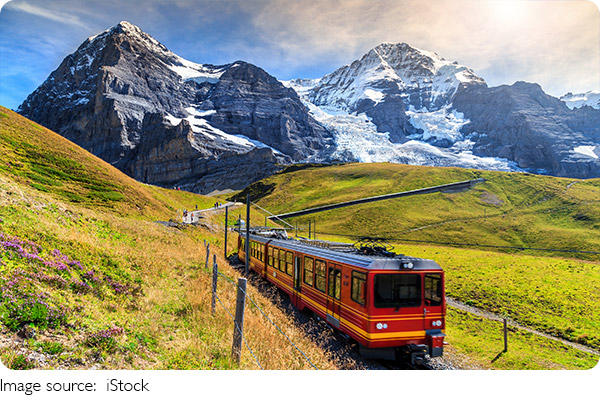
Today we talk about trains in a simple and clear way. Trains are an important transport tool for people and goods. We see them in cities, mountains, and across long distances.
They move fast, carry many passengers, and connect different places. Let us look at how trains are built and how they work in daily life.
Basic Structure of a Train
A train has two main parts. One is the locomotive. The other is the cars. The locomotive provides power. It pulls the whole train forward. The cars carry passengers or goods.
1. The locomotive includes key systems. The power system creates energy to move the train. It may use fuel or electricity. The frame supports the whole structure and keeps it stable. The braking system helps slow down and stop safely. Common braking methods include air brakes and electric brakes. The control system uses sensors and devices to monitor speed and safety. Drivers manage the train through this system.
2. The cars are built for comfort and function. Each car has a strong frame at the bottom to support weight. The wheels connect with the tracks and allow smooth movement. The bogie under the car helps the train stay stable when turning. Inside, cars provide seats or space for cargo. Different types of cars meet different needs.
How Trains Work Step by Step
We can understand the working process in simple steps.
- First, power is produced. The locomotive generates power through fuel burning or electricity supply. This energy creates motion.
- Second, power is transferred to the wheels. The system sends energy from the engine to the wheels. When the wheels rotate, the train moves along the tracks. The track guides the direction and keeps the train on course.
- Third, the driver controls speed and direction. Through the control system, the driver adjusts acceleration and braking. Modern trains often use digital systems to improve accuracy and safety.
- Fourth, braking helps the train stop. When the train needs to slow down or stop, the braking system creates friction or uses electric resistance to reduce speed. This process ensures safe arrival at stations.
How Trains Are Built
Train production follows clear steps.
1. Engineers first design the train. They plan structure, safety features, energy use, and comfort. Good design is the base for safe operation.
2. Next comes material selection. Train makers use strong and durable materials like steel and aluminum. These materials reduce weight while keeping strength.
3. Then workers process and assemble parts. Modern factories use advanced machines to cut, weld, and connect components. Precision is important. Each part must fit perfectly.
4. After assembly, trains go through strict testing. Engineers test speed, braking, stability, and safety systems. Only after passing all tests can the train operate on tracks. Testing ensures reliability and public safety.
Future Trends of Trains
Trains continue to develop with technology.
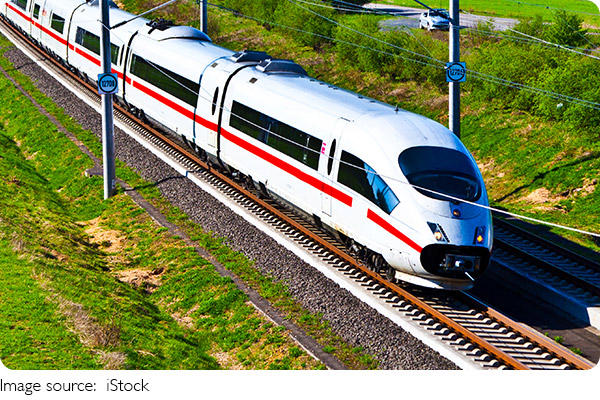
1. Speed and smart systems are growing fast. Automatic driving technology helps reduce human error. Smart monitoring systems track train status in real time.
2. Environmental protection is also important. Many trains now use clean energy and reduce emissions. Energy saving designs help lower resource use. This supports sustainable transport.
3. Digital networking improves management. Big data helps operators monitor traffic flow and improve efficiency. Passengers can also get real-time travel information through digital platforms.
4. Comfort is improving too. Modern trains provide better seats, quiet spaces, and clean environments. Simple service upgrades make travel easier and more pleasant.
Let Us See the Power of Trains Together
Trains play a key role in modern life. They connect cities, support trade, and help people travel safely. From basic structure to advanced technology, trains show strong engineering power.
We hope this guide helps you understand trains in an easy way. Lykkers, next time you see a train passing by, think about its power system, wheels, and smart control behind it. Trains keep moving forward, and so do we. Let us explore more knowledge together in the future.