Exploring Grape Varieties

Ethan Sullivan
| 27-02-2026
 · Food Team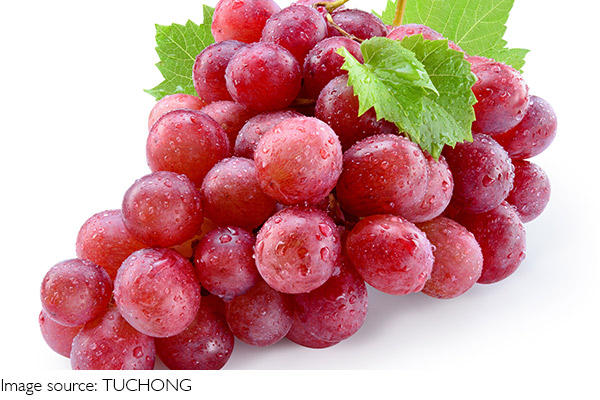
A bunch of grapes on the counter can be more than just a snack—it's a peek into a world of flavors, textures, and uses.
From sweet, juicy table grapes to tiny, tangy varieties for cooking, each type offers something special. Knowing the differences helps you choose the right grape for your meals, desserts, or even snacks. Let's explore some of the most popular grape types and how to enjoy them.
1. Table Grapes
Seedless grapes
Red, green, and black varieties
Firm, juicy texture for snacking
Table grapes are grown mainly for fresh eating. Seedless grapes, like Thompson Seedless or Crimson, are especially convenient for kids and adults alike. Their firm texture and balanced sweetness make them ideal for fruit salads, cheese platters, or simple snacks straight from the fridge.
Actionable example:
Keep a small bunch of seedless grapes in a mesh bag in the fridge. Rinse them just before eating to enjoy a crisp, refreshing snack that's ready anytime.
2. Cooking and Preserving Grapes
Small, thick-skinned grapes
High sugar and acidity levels
Used in sauces, jams, and beverages
Some grapes are specially grown for cooking or preserving rather than fresh snacking. Their skins and seeds add depth, while sugar content and acidity enhance flavors in sauces, jellies, and infused drinks. These grapes are excellent for turning fresh fruit into long-lasting treats.
Actionable example:
If you find small, tart grapes at a market, try making a batch of homemade grape jelly by simmering them with a little sugar and straining the mixture through a fine sieve.
3. Concord Grapes
Deep purple color
Sweet, strong aroma
Commonly used for juices and jellies
Concord grapes are instantly recognizable for their rich color and distinctive flavor. They have a thick skin and a robust, almost tart-sweet taste that works beautifully in juices, jams, or even baked goods. Their strong aroma makes them perfect for transforming simple recipes into something memorable.
Actionable example:
Make a simple grape syrup: simmer Concord grapes with a touch of honey and a splash of lemon juice, then strain. Drizzle it over pancakes or yogurt for a vibrant breakfast treat.
4. Muscat Grapes
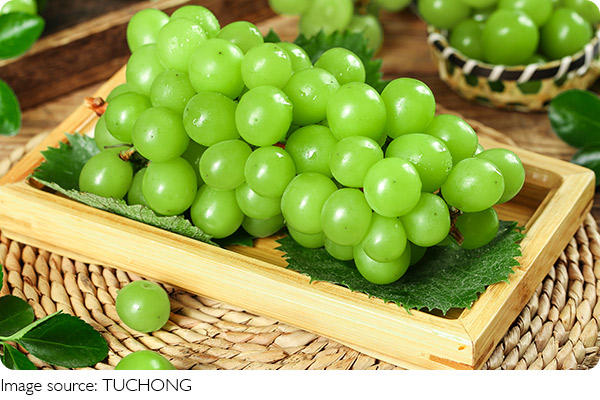
Sweet, floral flavor
Varieties in green, pink, or purple
Great for desserts or fresh eating
Muscat grapes are known for their intense floral aroma and natural sweetness. Some are small, almost raisin-like, while others are larger and plump. They are versatile, suitable for fresh snacking, making preserves, or adding a delicate note to fruit salads and desserts.
Actionable example:
Toss Muscat grapes with fresh berries and a drizzle of honey for a quick, aromatic fruit salad that doubles as a light dessert or snack.
5. Specialty and Hybrid Grapes
Moon Drops and Cotton Candy grapes
Unique shapes and flavors
Fun for children or gourmet dishes
Specialty grapes have been bred to offer unusual flavors or colors. Moon Drops have a sweet, elongated shape, while Cotton Candy grapes live up to their name with a subtle sugary flavor. These grapes are conversation starters and can make a simple snack feel like a gourmet treat.
Actionable example:
Create a colorful grape skewer platter with a mix of table, Muscat, and Cotton Candy grapes. It's visually appealing for parties and adds variety in taste with every bite.
Grapes are more than a simple fruit—they're a journey of taste, aroma, and texture. By exploring different varieties, you can discover which types suit your palate and your kitchen needs best. From snacking straight off the vine to crafting unique preserves or desserts, each grape has its own story and potential. Keep experimenting, and your next fruit bowl might just be a small adventure in flavor.