Painted Rock Science

Owen Murphy
| 27-02-2026
 · Astronomy Team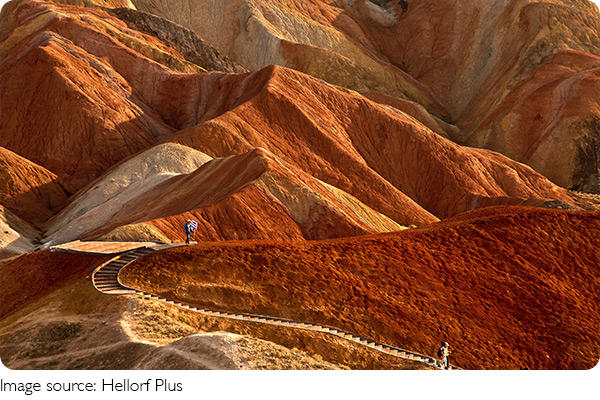
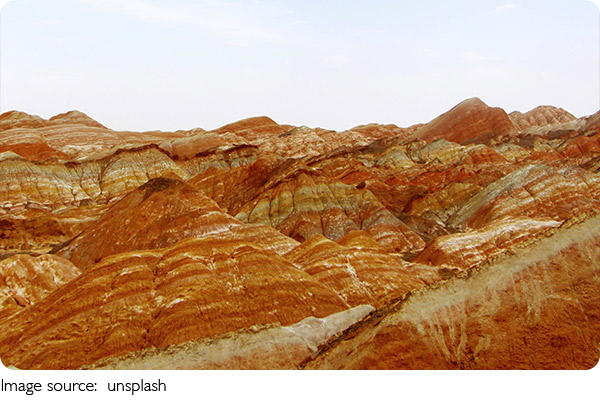
The cliffs rise like a giant rainbow frozen in stone. Layers of red, orange, yellow, and purple stretch across valleys and ridges, creating patterns that seem almost artificial but are entirely natural.
Standing there, it's easy to forget that each hue and contour tells a story of time, pressure, and chemical reactions that shaped the Earth over millions of years.
Formation of Layered Cliffs
1. Sediment deposition: These cliffs were formed from layers of sand, silt, and minerals deposited over millions of years. Each layer represents a different period, sometimes separated by thousands of years, giving the cliffs their striped appearance.
2. Mineral influence: Iron compounds produce red and orange hues, while manganese and other minerals contribute to purples and yellows. By studying these layers, geologists can trace changes in the environment over time.
3. Observation tip: Bring a notebook and record differences in color and thickness between layers. This simple exercise makes it easier to understand how each band reflects a unique geological period.
Erosion and Sculpting
1. Water and wind: Rain, rivers, and wind slowly carve the cliffs, creating ridges, gullies, and domes. Over centuries, these forces expose the colorful layers and sculpt striking formations.
2. Natural patterns: Notice patterns like vertical cracks, dome-shaped hills, and small canyons. Each shape tells a story of how water ran through sediments, or how wind slowly removed softer rock.
3. Practical tip: Walk slowly along erosion patterns and observe textures. Smooth surfaces indicate long-term water flow, while rough, jagged areas often show recent rock breaks.
Scientific Exploration
1. Fossils and traces: Some cliffs contain fossils of plants and tiny animals, revealing life forms that existed when the layers were deposited. Even small impressions in rocks can show ancient environments.
2. Educational trails: Many sites have interpretive boards explaining formation processes and mineral content. Follow marked paths to access areas where natural features are well-preserved.
3. Interactive observation: Use a magnifying glass to examine small pebbles, grains, or crystal deposits. Noticing the details connects you to processes that occurred over millions of years.
Color Changes and Time of Day
1. Morning light: Early sun casts long shadows, emphasizing the folds and ridges of the cliffs. Reds and oranges appear most saturated.
2. Afternoon glow: Late sunlight softens colors and can bring out purples and yellows in subtle ways. Photographers often prefer this time for warm, layered shots.
3. Practical tip: Take multiple photos at different times of the day to capture the full spectrum of colors. Even standing in the same spot, the landscape can feel entirely new as light changes.
Flora and Fauna Interaction
1. Plant growth: Small shrubs and resilient flowers grow in crevices and thin soil patches. Observing these plants gives insight into how life adapts to harsh, arid environments.
2. Animal traces: Birds often nest along cliff edges, and small reptiles or insects may be spotted on sun-warmed rocks. Watching quietly can reveal their routines without disturbing them.
3. Observation tip: Bring binoculars or a zoom camera lens to study wildlife from a safe distance, noticing how species utilize cliff formations for shelter or hunting.
Preserving the Landscape
1. Stay on marked trails: Walking off-path can damage fragile surfaces and disturb natural erosion patterns.
2. Leave no trace: Carry out all trash and avoid removing rocks or plants. These cliffs have taken millions of years to form, and small actions can have lasting effects.
3. Educational engagement: Encourage children or friends to observe details and record findings. Simple activities like noting different colors, textures, or small plants can cultivate curiosity while preserving the site.
Reflections on Earth's Timeline
Walking along these cliffs, it becomes clear that the landscape is a living history book. Each ridge, fissure, and color band represents countless years of natural change, showing how water, wind, and mineral deposits shape the Earth. Spending time observing details—from subtle mineral veins to tiny plant growth—teaches patience and attention. The cliffs remind us that even immense natural forces operate slowly, leaving behind beauty and knowledge for those willing to notice. Next time you see layered rock formations, take a moment to study the textures and colors—you might uncover stories that have been waiting millions of years to be told.