Waves and Sand Uncovered

Declan Kennedy
| 25-02-2026
 · Astronomy Team
Watching waves lap against the shore is mesmerizing, but beneath the rhythm lies a complex dance of physics and natural forces.
From the gentle roll of a small wave to the shifting sands under your feet, understanding how water and sand interact gives a deeper appreciation of our coastlines—and even practical insights for scientists, engineers, and curious minds alike.
How Waves Form and Move
1. The wind's role in shaping waves
Most waves you see at the beach start with wind blowing across the water. The friction between air and water creates small ripples, which grow as wind continues to push. The longer and stronger the wind blows, the larger the waves become. For instance, an afternoon breeze on a calm lake might generate waves just a few inches high, while sustained coastal winds can build waves several meters tall.
2. Energy transfer through water particles
A common misconception is that waves move water across the ocean. In reality, the energy moves forward while individual water particles mostly move in circular orbits. Observing a buoy floating in the sea demonstrates this: it rises and falls but doesn't drift far. This principle explains why surfers ride waves—they're catching the energy moving forward, not the water itself.
3. Practical example for observation
Try visiting a small pier or dock with floating markers. Watch how each marker moves in a circular motion as waves pass. Recording the motion with your phone can help visualize energy transfer, giving a real-world understanding of how wave physics operates.
The Secrets of Sand Movement
1. How sand grains respond to water
Sand on a beach isn't static. Each wave pushes, pulls, and sorts grains by size and weight. Heavier grains settle closer to the waterline, while lighter ones may travel farther. Over time, this process shapes dunes, ridges, and sandbars.
2. Ripple formation and patterns
Ripples you see in shallow water aren't random—they form due to the interaction of flowing water and sand. The spacing and height of ripples depend on wave speed and water depth. In shallow waves, ripples tend to be tighter and more pronounced, creating a striking pattern that changes with each tide.
3. Hands-on observation
You can experiment by filling a shallow tray with sand and gently running water over it. Observe how ripples form, how some grains travel farther than others, and how flow speed affects the pattern. This small-scale simulation mirrors what happens on beaches worldwide.
Shoreline Dynamics
1. Waves shaping coastlines
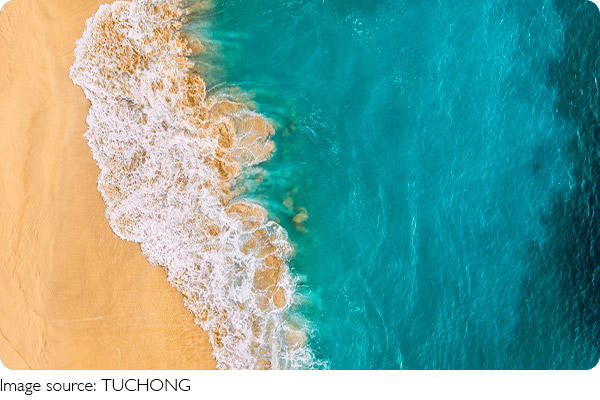
Repeated wave action slowly reshapes beaches. Over months and years, sand erodes in some areas and accumulates in others. Cliffs may recede, and new sandbars emerge. Understanding this helps coastal engineers plan for erosion control and protect waterfront infrastructure.
2. The impact of tides and currents
Tides amplify wave action at high or low water, moving sand in predictable ways. Currents carry sediment along the coast, a process called longshore drift. For beachgoers, noticing these patterns explains why some areas of the beach have soft, powdery sand while others feel coarse and compacted.
3. Observational tip
Walk along the shoreline at different times of day. Compare sand patterns at high tide and low tide. Noting where waves deposit or erode sand provides a practical understanding of dynamic coastal processes.
Waves, Sand, and Environmental Insights
1. Predicting storm impacts
Scientists study wave and sand interactions to predict coastal flooding and erosion during storms. By tracking wave heights, sediment transport, and shoreline shifts, communities can implement protective measures.
2. Human interventions
Structures like jetties or seawalls alter natural wave flow and sand deposition. Observing changes before and after these constructions shows how sensitive shorelines are to human interference.
3. Everyday appreciation
Even without formal study, understanding wave energy and sand movement makes a simple walk on the beach more meaningful. Noticing how each wave reshapes the sand and how patterns repeat builds a connection to the natural physics constantly at work.
The next time you stand on a beach, take a moment to watch closely. Every wave carries energy, every grain of sand has traveled, and together they tell a story written in physics. Understanding these natural processes transforms a casual visit into an exploration of movement, energy, and change—reminding us that even the simplest moments at the shore have layers of complexity waiting to be noticed.