Iced Latte Secrets

Amit Sharma
| 24-02-2026
 · Food Team
Stepping into a café on a warm afternoon, the sight of a tall glass of iced latte glistening with condensation can instantly lift your mood.
That mix of chilled espresso and creamy milk feels like a treat and a little burst of energy at the same time.
But making an iced latte that tastes just right isn't just about throwing espresso over ice. There's a rhythm, a balance, and a few insider tips that turn an ordinary drink into something memorable.
Choosing Your Coffee
1. Pick the right roast – Medium or medium-dark roasts tend to work best for iced lattes. They bring out chocolatey and caramel notes that balance the cold milk beautifully. A lighter roast may taste sharp or sour when chilled.
2. Freshly ground beans – Grinding beans right before brewing ensures maximum flavor. If you use pre-ground coffee, it can taste flat or stale, especially once poured over ice.
3. Cold-brew vs. espresso – Espresso provides a bold, concentrated shot with a creamy foam layer if pulled correctly. Cold-brew coffee, however, offers a smoother, naturally sweeter profile. You can choose depending on whether you prefer a sharp kick or a mellow sip.
Actionable tip: Keep a small scale at home to measure 18–20 grams of coffee for a double espresso shot, ensuring consistency every time.
Perfect Milk and Creaminess
1. Milk choice matters – Whole milk produces a naturally creamy texture, while skim or plant-based milks like oat and almond create lighter versions. Experiment to see which texture and flavor you like best.
2. Frothing techniques – Even for iced lattes, lightly frothing milk adds a velvety feel. Use a handheld frother or the steam wand on an espresso machine. The goal isn't thick foam but microfoam that blends smoothly with coffee.
3. Temperature control – Chill your milk in the fridge before use. Cold milk combined with cold espresso preserves the drink's refreshing quality without diluting flavors too quickly.
Example: A barista at a small café in Paris suggested pouring milk slowly into espresso over a spoon of ice to create a layered effect, which not only looks beautiful but controls dilution.
Ice: More Than Just Cold
1. Large ice cubes – Bigger cubes melt slower, keeping your latte chilled without watering it down.
2. Coffee ice cubes – Freeze leftover coffee in an ice tray and use these cubes for iced lattes. They maintain flavor while keeping the drink cold.
3. Avoid overfilling – Too much ice can overpower the coffee-to-milk ratio, leaving your drink bland. Fill about two-thirds of the glass with ice.
Actionable tip: For a single glass, use three large ice cubes and one coffee cube. Pour espresso over these slowly, then add milk, letting the layers form naturally.
Sweeteners and Flavors
1. Syrups and sugars – Vanilla, caramel, or hazelnut syrups can enhance the latte, but add them while the espresso is still warm. This helps them dissolve fully before hitting ice.
2. Natural sweeteners – Honey, maple syrup, or agave can also work. Mix with warm espresso first, then pour over ice.
3. Experiment subtly – A pinch of cinnamon or cocoa powder can add depth without overwhelming the drink.
Example: A café in Seattle uses a light caramel drizzle over the top of an iced latte. It slowly melts into the milk, giving each sip a gentle sweetness.
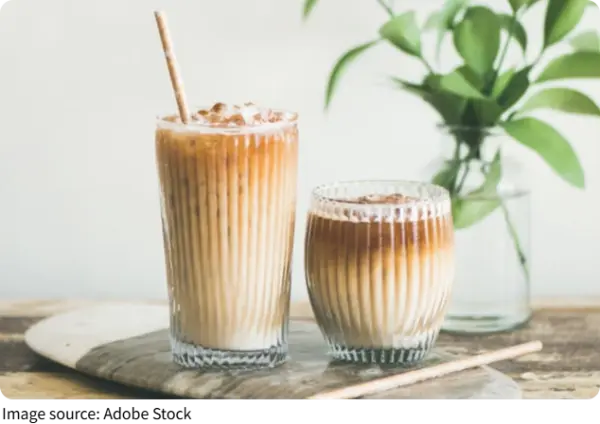
Assembly and Presentation
1. Glassware – Use a clear, tall glass to showcase the layers of espresso, milk, and ice. It adds a visual appeal that enhances enjoyment.
2. Pouring technique – Pour milk slowly over a spoon resting on ice to control mixing. You can create a gradient from coffee-dark at the bottom to creamy-white at the top.
3. Final touch – Stir lightly before drinking, or leave the layers for a gradual taste change as you sip.
Tip: Take a photo before stirring—iced lattes are surprisingly photogenic, and seeing the layers form can be satisfying in itself.
Sipping your homemade iced latte, you realize it's not just caffeine—it's a sensory experience. From the aroma of freshly ground beans to the chill of milk and ice on a warm day, every step matters. Trying different coffee roasts, milk types, and ice strategies will help you find your signature version.
Next time you make one at home, notice how small adjustments—like using coffee ice cubes or layering milk carefully—change the flavor. It's not just a drink; it's a chance to explore textures, aromas, and the simple joy of a well-crafted iced latte.