Citrus Fruits and Vitamin C

Pardeep Singh
| 24-02-2026
 · Food Team
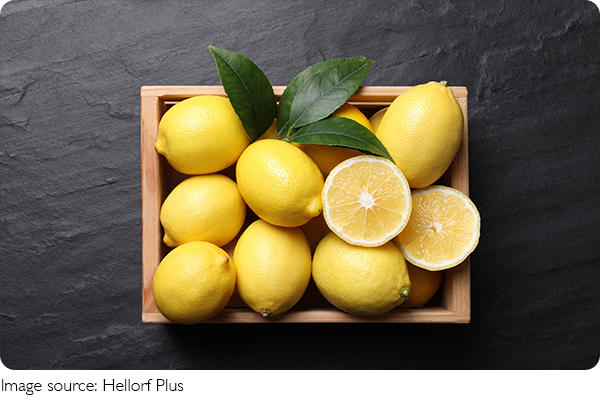
A bowl of citrus on the kitchen table has a way of catching the morning light. Maybe it's a few oranges rolling gently against each other, or a lemon waiting to be sliced into warm water.
These small, colorful fruits don't look dramatic, yet they carry something quietly powerful inside: a steady supply of vitamin C that your body uses every single day.
Why vitamin C matters more than you think
Immune balance
Skin renewal
Daily energy
Vitamin C plays several roles at once, which is why nutrition experts often call it essential rather than optional. It supports the immune system by helping the body respond to everyday environmental stress. It also contributes to collagen formation, which keeps skin looking smooth and resilient over time. Even subtle feelings of tiredness can be linked to low intake, since vitamin C helps the body absorb iron from plant foods.
A simple actionable step is to pair citrus with breakfast. Squeezing half a lemon over warm water or adding orange slices beside whole-grain toast gives your body an early boost without changing your routine. Small habits like this are easier to maintain than complicated diet plans.
Which citrus fruits contain the most
Oranges for balance
Grapefruit for freshness
Lemons for versatility
Different citrus fruits offer slightly different amounts of vitamin C, but they all contribute meaningfully. A medium orange can provide a large portion of the daily recommended intake. Grapefruit delivers a refreshing taste with similar nutritional value, while lemons and limes are often used in smaller quantities yet still add up across the day.
To make this practical, try rotating citrus types through the week instead of eating the same fruit every time. One day could start with orange segments, another with grapefruit halves, and another with lemon water. Variety keeps flavors interesting and helps you stay consistent without effort.
Fresh fruit vs. juice: what really helps
Whole fruit fiber
Gentle fullness
Steady nutrition
Juice may seem convenient, but whole fruit usually offers better overall value. The natural fiber inside citrus slows down how quickly natural sugars enter the bloodstream and helps you feel satisfied longer. Drinking juice alone can be easy to overdo, while peeling an orange naturally sets a comfortable portion.
If you enjoy juice, a balanced approach works best. Try squeezing fresh citrus over sparkling water instead of drinking a full glass of juice. You'll still get bright flavor and vitamin C, but with better hydration and portion control.
Smart ways to keep vitamin C intact
Minimal heat
Quick cutting
Cool storage
Vitamin C is sensitive to air, light, and high temperature. That doesn't mean citrus is fragile, but gentle handling helps preserve more nutrients. Cutting fruit right before eating keeps exposure to air low. Storing citrus in a cool place slows natural breakdown. Using fresh slices instead of long-stored juice also maintains quality.
One easy kitchen habit is to prepare only what you'll eat immediately. Instead of slicing several oranges at once, cut one at a time. This tiny change keeps flavor brighter and nutrition stronger without adding any extra work.
Dr. Joanne Slavin explains that vitamins such as vitamin C are sensitive to factors like heat, air exposure, and extended storage. She emphasizes that gentle preparation methods and proper storage conditions can help reduce nutrient loss.
How much citrus is enough each day
One simple serving
Consistent routine
Long-term benefit
Most healthy people can meet daily vitamin C needs with just one medium citrus fruit or an equivalent mix of smaller portions. The key isn't large amounts in a single day but steady intake across weeks and months. Nutritional balance works like savings in a bank account—small deposits matter when they're regular.
A helpful strategy is to link citrus to an existing habit. Keep a bowl near where you prepare breakfast or place lemons beside your water bottle. When healthy food is visible and convenient, choosing it becomes almost automatic.
The beauty of citrus fruits is their simplicity. No complicated preparation, no special timing, no strict rules. Just bright color, fresh aroma, and quiet nutritional support woven into ordinary moments. Over time, these gentle choices shape how you feel far more than dramatic short-term changes ever could.