Fascinating Horse Facts

Chandan Singh
| 13-02-2026
 · Animal Team
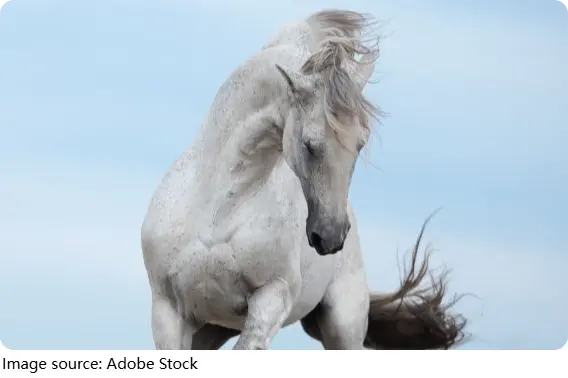
Watching a horse move across an open field is mesmerizing. Their rhythmic gallop, flowing mane, and alert posture instantly draw your attention.
But beyond their beauty, horses have quirks and talents that often go unnoticed. From social intelligence to extraordinary senses, these animals reveal fascinating insights into survival, communication, and companionship.
Exceptional Senses
Horses rely heavily on their senses to navigate the world. Their wide-set eyes give them nearly 360-degree vision, allowing them to spot predators even while grazing. Their hearing is highly sensitive; the ears swivel independently to pick up distant sounds. Smell plays a key role in recognizing other horses and even detecting subtle changes in human emotion.
Practical example: When riding, you might notice a horse freezing or pricking its ears at a sound you barely hear. Paying attention to these cues can prevent accidents and deepen trust between rider and horse.
Social Intelligence
Horses are highly social animals. They form strong bonds within herds and communicate through gestures, vocalizations, and body language. Dominance hierarchies exist, but cooperation and mutual grooming help maintain harmony. Horses remember individuals for years and can even sense human emotions.
Practical example: Observing a group of horses, you may notice one gently nudging another to encourage movement or grazing, showing subtle leadership and empathy within the herd.
Impressive Memory
Horses have remarkable long-term memory, particularly for locations, routines, and people. They can recall paths, recognize familiar faces, and even remember training exercises months later. This memory is not just practical—it's crucial for survival in the wild, where remembering water sources and safe routes can mean the difference between life and death.
Practical example: Trainers often use consistent routines because horses quickly learn sequences. If a horse struggles with a task, revisiting it consistently helps them retain skills more effectively.
Unique Communication
Horses communicate using a mix of vocal sounds, postures, and movements. A raised head and flicking tail may signal alertness, while soft nickering often indicate recognition or affection. Even subtle changes in ear orientation or stance can communicate warning, curiosity, or comfort.
Practical example: When approaching a new horse, observing its ear direction and body tension can guide your interaction—approach slowly if the ears are pinned back, or offer calm gestures if it seems relaxed.
Athletic Prowess
Horses are built for speed, endurance, and agility. Their muscular legs, flexible spine, and strong lungs allow impressive feats from sprinting to jumping. Different breeds excel in specialized tasks—Arabians are known for endurance, while Thoroughbreds dominate in sprint racing.
Practical example: In equestrian competitions, understanding a horse's strengths and limits ensures effective training and prevents strain, maximizing both performance and safety.
Adaptable Diet
Horses are herbivores with a flexible feeding strategy. They graze for hours, selecting grasses and plants based on availability and nutritional needs. Their digestive system allows them to process a variety of roughage, and they are skilled at detecting plants that could be harmful.
Practical example: If managing a pasture, rotating grazing areas ensures horses get balanced nutrition while preserving grasslands, mimicking natural foraging patterns.
Horses combine intelligence, sensitivity, and athletic skill in ways that continue to captivate humans. By observing their behaviors closely, we not only learn practical care techniques but also gain a deeper appreciation for their complex social and physical abilities. Spending time with horses can teach patience, awareness, and empathy, revealing the remarkable depth behind their familiar, majestic presence.