Why White Tigers Are White

Mukesh Kumar
| 13-02-2026
 · Animal Team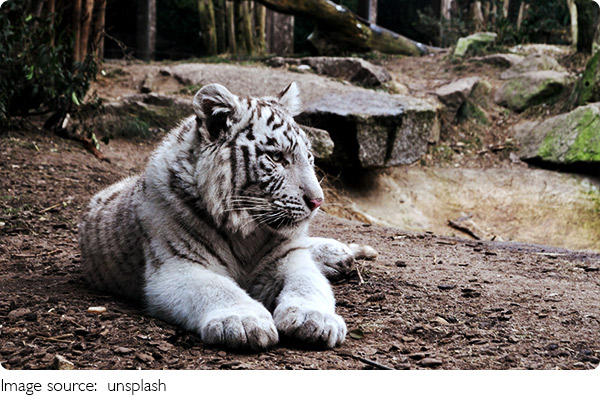
Watching a white tiger glide through its enclosure, it's hard not to be mesmerized by the contrast between its pale fur and dark stripes.
Unlike their orange cousins, these tigers look like creatures straight out of a storybook, yet their unusual coloring isn't a separate species—it's a rare genetic variation. Their appearance has fascinated people for generations, prompting curiosity about why some tigers are born white instead of the familiar golden hue.
The Genetics of White Fur
A white tiger's color comes from a specific genetic mutation, not albinism.
Key points to understand:
The color change is caused by a recessive allele, meaning both parents must carry the gene for a cub to be born white.
The mutation affects pigmentation in the fur but leaves the eyes and stripes normally colored. White tigers often have blue eyes instead of the typical amber.
This genetic trait can appear in different tiger subspecies, most commonly in Bengal tigers, though it remains extremely rare in the wild.
An actionable observation: If you visit a conservation center or sanctuary, ask about their breeding programs. Seeing how genetics are tracked can give insight into how rare white tigers are in captivity versus the wild.
Appearance Differences
White tigers are visually distinct beyond just their fur.
Notable characteristics:
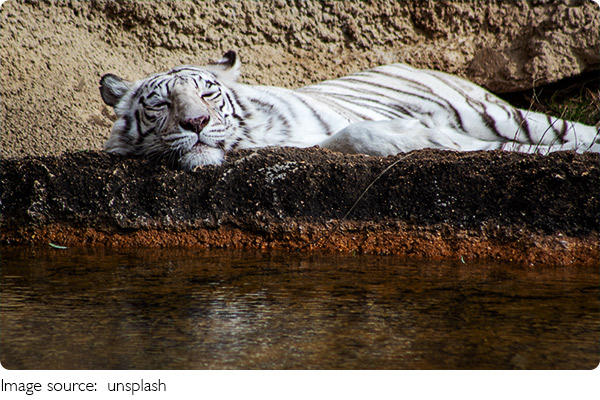
Black or dark brown stripes remain prominent on white or pale cream-colored fur, creating a striking pattern.
Head features often appear more defined against the light coat, emphasizing expressive eyes and whisker lines.
Some white tigers show slight variations in striping and hue, with creamy or silver tones giving each individual a unique look.
For a hands-on tip, photographers can experiment with lighting when capturing white tigers, as their light fur reflects differently than orange coats, affecting exposure settings.
Rarity in the Wild
White tigers are extremely uncommon outside captivity.
Factors influencing rarity:
In the wild, only about 1 in 10,000 tigers is born with the white coat. This low probability is due to the need for both parents to carry the recessive gene.
Predation and environmental camouflage: A white coat can make hunting more difficult in dense forests, which may limit survival chances.
Genetic bottlenecks: Small tiger populations reduce the chances of the recessive gene appearing naturally, making wild sightings extraordinary.
Actionable insight: Conservationists emphasize observing natural tiger populations to understand how rare mutations appear without human intervention, helping track genetic diversity in the species.
Captive Breeding Programs
Most white tigers seen today exist due to careful breeding in captivity.
Important details:
Breeding often focuses on preserving the white coat, which has aesthetic and fundraising appeal for zoos.
Close genetic pairing can sometimes lead to inbreeding, causing health issues like cleft palates, scoliosis, and reduced fertility.
Ethical programs aim to balance preserving the rare trait with maintaining overall genetic health of the population.
If you're visiting a zoo, ask about the care protocols for white tigers. Observing enrichment activities or veterinary practices shows how caretakers manage their unique needs.
White Tigers in Culture
Their striking appearance has made white tigers popular in media, mythology, and conservation awareness.
Interesting roles include:
Symbolism: White tigers often represent rarity, strength, and mystique in various campaigns and exhibitions.
Education: Exhibits featuring white tigers educate the public about genetics, conservation, and the importance of biodiversity.
Photography and media: Their striking appearance makes them highly photographed, raising awareness for tiger conservation efforts overall.
A simple actionable idea: If you're inspired by their look, supporting wildlife photography projects or educational programs can help protect tigers and highlight the genetic marvels like the white coat.
White tigers remind us that nature's diversity isn't just about survival—it's about the subtle quirks and rare traits that make species fascinating. Their pale fur isn't just for show; it's a window into genetics, rarity, and the delicate balance between beauty and survival. Watching one move, it's easy to feel a sense of wonder, realizing that the white tiger's rarity makes every sighting a special encounter with nature's unexpected artistry.