Spring Festival Tradition!

Chandan Singh
| 09-02-2026
 · Lifestyle Team
Across East Asia and global diasporas, the Spring Festival stands as one of the most complex and enduring seasonal observances in the world.
Far from being a single celebratory moment, it is a structured cycle of practices shaped by agrarian rhythms, classical philosophy, and centuries of social refinement.
Each tradition—whether domestic, communal, or ceremonial—functions as a deliberate act meant to realign people with time, memory, and collective responsibility.
The Calendar as Cultural Architecture
The Spring Festival is governed by a lunisolar system that synchronizes human activity with seasonal change. Its timing follows the first new moon of the agricultural year, marking the gradual return of warmth and fertility. This alignment reflects an ancient worldview in which prosperity depended on observing natural cycles rather than imposing rigid schedules.
Rather than compressing celebration into a single day, the festival unfolds across fifteen structured stages, each carrying its own expectations. Early days emphasize reunion and restraint, while later days encourage social expansion, travel, and communal gatherings. This progression mirrors classical Chinese philosophy, where balance is achieved through gradual transition instead of abrupt change.
Domestic Preparation and Symbolic Order
Preparation begins weeks before the festival arrives. Homes undergo meticulous cleaning intended to remove residual stagnation from the outgoing year. Dust represents more than dirt; it symbolizes unresolved difficulties and emotional residue. Once the festival begins, sweeping is intentionally avoided, reinforcing the belief that good fortune must be allowed to settle undisturbed.
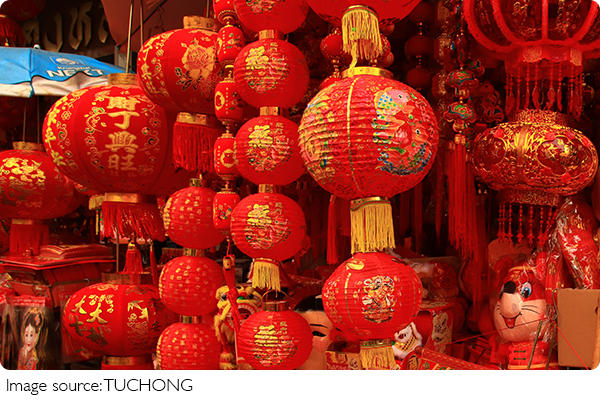
Decorations follow precise symbolic logic. Red paper couplets featuring calligraphy are affixed to doorways, each line crafted with linguistic balance and aspirational meaning. These phrases are not chosen casually; families often select wording that reflects specific goals such as educational success, agricultural stability, or household harmony.
Reunion Meals and the Language of Food
The most anticipated moment of the festival is the reunion meal held on the eve of the new cycle. Regardless of distance or circumstance, returning home for this gathering has long been viewed as a moral obligation rooted in Confucian social ethics.
The dishes served are rich in symbolic intent:
- Whole fish conveys continuity and surplus, with leftovers deliberately preserved.
- Wheat dumplings, common in northern regions, resemble ancient currency and emphasize cooperation through shared preparation.
- Rice cakes signify progress, as their name phonetically echoes the idea of rising year by year.
Even the manner of eating carries meaning—food is shared communally rather than individually, reinforcing interdependence.
Red Envelopes and Structured Generosity
The giving of red envelopes filled with money remains one of the most visible customs. Traditionally distributed by elders to younger relatives, these envelopes symbolize protection, encouragement, and moral guidance rather than reward. Numerology plays a critical role. Even numbers are preferred, while certain digits are avoided due to phonetic associations with misfortune. Historically, coins were once threaded together with red string, underscoring that the practice originated as a protective ritual rather than a commercial exchange.
Sound, Movement, and Collective Energy
Firecrackers, drums, and choreographed performances are essential elements of the festival’s public expression. Loud sounds and rapid motion were traditionally believed to disrupt lingering negativity during transitional periods of time. Lion and dragon dances, often misunderstood as spectacle alone, require disciplined teamwork rooted in martial training. These performances are carefully timed and spatially organized, reinforcing communal coordination while channeling raw energy into controlled expression.
Ancestral Remembrance and Continuity
Amid festivity, many families engage in rites acknowledging ancestors. Offerings of food, incense, or symbolic paper items express continuity between generations. These acts are not nostalgic gestures; they affirm the belief that present stability is inseparable from past endurance.
Urbanization, technology, and migration have reshaped how the Spring Festival is observed, but not why it matters. Virtual reunions, televised performances, and contemporary art forms coexist with ancient customs, proving that tradition survives by adapting rather than resisting change.
Long after lanterns fade and celebrations quiet, these traditions continue their quiet work, reminding those who observe them that renewal is not accidental—it is carefully prepared, thoughtfully shared, and always waiting to be embraced again.