Open World Magic

Naveen Kumar
| 12-02-2026
 · Games Team
Have you ever turned on a game, skipped the main quest, and spent hours just riding a horse through the hills or fishing by a lake? That's the beauty of open-world games. They don't just give us goals—they give us freedom.
We can explore, create, and play at our own pace. But what makes this type of game so addictive? Let's see the charm of open-world adventures and why we can't seem to get enough.
Explore at Your Own Pace
One of the biggest reasons we love open-world games is freedom of movement. Unlike linear games that push us down a strict path, open-world games let us choose where to go and what to do. Want to climb a snowy mountain in The Legend of Zelda: Breath of the Wild? Go ahead.
We Create Our Own Stories
In open-world games, we don't just follow a story—we create one. Sure, there's usually a main storyline, but side quests, random encounters, and player choices allow us to shape the experience. In Red Dead Redemption 2, helping a stranger could lead to a chain of events we never expected. These small moments often feel more real than scripted cutscenes. They become our stories, not just the characters'.
The Worlds Feel Alive
What makes an open-world game truly immersive is a believable, living environment. The weather changes. Animals roam. NPCs (non-player characters) have routines. Games like Elden Ring bring us into worlds where we forget we're holding a controller. We start to treat the game world like a real place—somewhere to explore, protect, or get lost in.
Progress Feels Personal
Open-world games reward curiosity. Maybe we find a rare object hidden behind a waterfall, or unlock a new ability by exploring an old ruin. This kind of progress feels earned—not just handed to us. According to game designer Todd Howard, what makes a game world feel good is when it “rewards the player just for exploring.” That kind of design keeps us coming back, not for the rewards, but for the joy of discovery.
We Play How We Want
Want to be a stealthy archer, a powerful mage, or just a peaceful traveler? Most open-world games let us customize our playstyle. In Skyrim, we can switch between roles and skills anytime. In Minecraft, we can build cities, mine for diamonds, or just wander. There's no single “right” way to play, and that freedom keeps the game fresh even after dozens of hours.
Graphics and Sound Make It Real
Let's not forget the power of visuals and music. Open-world games often feature beautiful landscapes and atmospheric soundtracks that pull us in. From the soft winds in Ghost of Tsushima to the haunting piano in Death Stranding, the sensory experience helps us get fully immersed. It's not just a game—it becomes a place we want to return to.
Community Adds to the Fun
Many open-world games come with a strong online community. Players share mods, guides, fan art, and personal stories. This makes the experience feel bigger than the screen in front of us. It becomes a shared adventure. Whether we're playing solo or online, there's a sense of connection that adds another layer of joy.
It's More Than Just Gaming
For many of us, playing open-world games is a way to relax, escape stress, or even express ourselves. Psychologists have noted that games offering player agency and exploration can help reduce anxiety and improve focus. So it's not just about fun—it's also about feeling good.
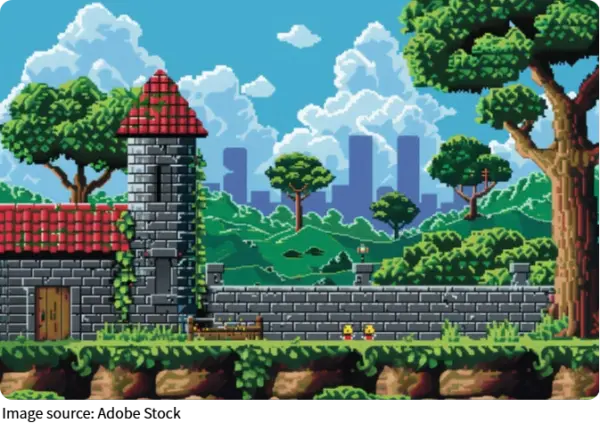
What's Your Open-World Escape?
Do you prefer medieval fantasy or sci-fi planets? Whatever your taste, there's likely an open-world game that has already captured your heart—or one waiting to be discovered.
So tell us—what's the open-world game that made you lose track of time? We'd love to hear your adventure!