The Perfect Dining Table?

Pardeep Singh
| 22-01-2026
 · Lifestyle Team
Choosing the perfect dining table is a decision that goes beyond style. For Lykkers looking to create a comfortable and functional dining space, understanding key factors helps make a confident choice.
Dining tables are central gathering points, so it's essential to balance aesthetics, size, materials, and practicality.
This guide breaks down four important aspects to consider when deciding between a round or rectangular table, with insights relevant to homes around the world.
1. Space and Layout of the Dining Area
Room Size Matters
The available space in a dining room or open-plan area is the starting point. Large rooms typically accommodate rectangular tables well, allowing for longer shapes that maximize seating capacity and organize the room efficiently.
On the other hand, round tables excel in smaller or cozier rooms because their shape encourages easy movement around the table and avoids sharp corners, making navigation smoother.
Usage Patterns and Social Needs
Consider how often the dining area is used for family meals or gatherings with friends. If dining happens mostly outside the home, prioritizing design and visual appeal may make more sense. When the dining table regularly hosts family or guests, functionality and seating comfort become more important, guiding toward tables that comfortably fit the number of people usually present.
2. Proper Table Dimensions for Comfort
Seating Space per Person
For each diner, the general recommendation is approximately 40 cm of frontal space and 50 to 60 cm of side space. This ensures enough room to eat comfortably without feeling cramped.
Standard Sizes for Rectangular Tables
Widths commonly range from 80 to 100 cm, allowing enough surface area for plates, dishes, and decor. Length varies depending on seating capacity — for six people, a length between 130 and 150 cm is typical.
Standard Sizes for Round Tables
A round table designed for six diners should have a minimum diameter of about 120 cm. Smaller round tables around 80 cm suit four diners, while larger ones near 150 cm can fit up to eight people, fostering inclusive and intimate conversations.
3. Selecting the Right Table Material
Durability vs. Design
Tables intended for daily dining require materials that withstand regular use, are durable, and easy to maintain. If the table serves a decorative or occasional purpose, style might take priority over functionality.
Glass and Crystal Options
Glass or crystal tabletops offer a sleek and modern look, enhancing a contemporary décor. However, they require careful handling, regular cleaning, and are more vulnerable to scratches or breaks.
Wood as a Timeless Choice
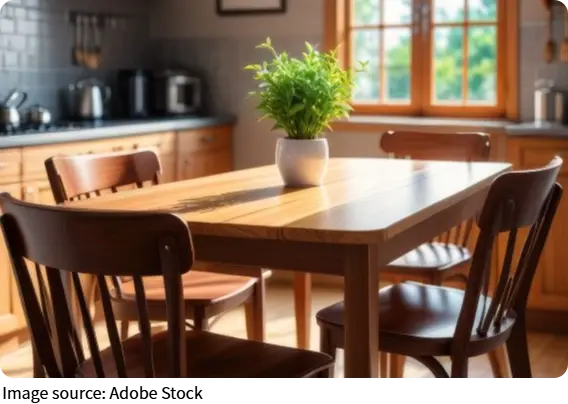
Wood remains a popular choice worldwide due to its robustness and versatility. It typically demands less delicate care, needing only occasional polishing with suitable products. Wood’s many finishes allow it to fit both traditional and modern interiors. Using table mats, centerpieces, and avoiding placing hot items directly can extend its lifespan.
4. Table Type: Extendable or Convertible
Extendable Tables for Flexibility
Tables with extension leaves are practical and widely favored. They combine the advantage of a compact footprint with the option to enlarge the surface when hosting more guests.
Solid extension mechanisms ensure stability and ease of use, making these tables ideal for spaces that need to adapt to different situations.
Convertible Tables for Multifunctionality
Convertible or transformable tables blend style and function. These innovative designs can shift from small side tables near sofas into full dining surfaces or workstations. Features often include height adjustment systems with gas pistons and hidden wheels, making transitions smooth and adding convenience to everyday living.
Examples of Modern Designs
Products like the round extendable tables from brands such as Easyline illustrate how form and function coexist. With multiple extension leaves, these tables can accommodate larger groups while maintaining a modern and simple aesthetic that fits many homes worldwide.
In Summary
Selecting the ideal dining table requires considering space, dimensions, materials, and style carefully. Rectangular tables suit larger dining areas and group gatherings, while round tables enhance smaller spaces and promote social interaction. Durable materials like wood provide long-lasting charm, while glass offers a modern flair but demands care.
Extendable and convertible tables bring flexibility and efficiency to various living environments. By understanding these factors, Lykkers can create inviting and practical dining spaces tailored to their lifestyles and homes across the globe.