Stress Eaters in Pots

Chris Isidore
| 22-01-2026
 · Nature Team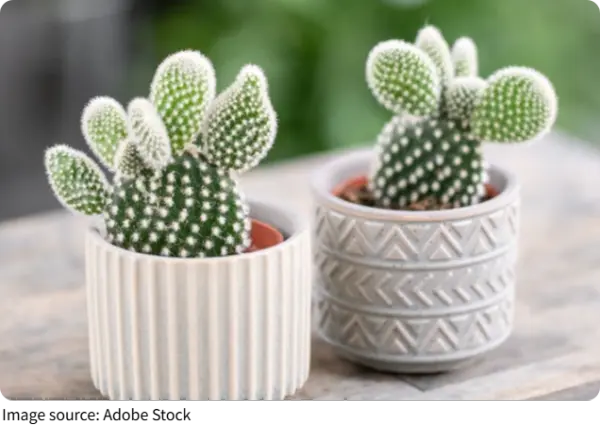
I bought my first succulent because it looked like a cartoon cactus wearing a hat. It sat on my desk while I answered emails, missed deadlines, and doom-scrolled through lunch. Three months later, I realized I hadn't killed it.
More surprising? I felt… lighter around it. Not because it fixed my life. But because it asked for nothing—and still grew. Slowly. Stubbornly. Beautifully.
Succulents get dismissed as "starter plants" or Instagram decor. But there's something deeper going on. These thick-leaved, drought-tolerant oddballs don't just survive neglect—they thrive in it. And that's exactly why they're weirdly good at helping humans feel less frazzled.
Why your brain likes chubby leaves
It's not just that they're cute. It's how they exist. Slow growth. Minimal needs. No drama. Watching a succulent? It's like hitting pause on a noisy world.
Studies in environmental psychology show that even brief exposure to greenery lowers cortisol (the stress hormone) and reduces heart rate. But succulents add something extra: predictability. They don't wilt dramatically if you forget them for a week. They don't drop leaves to guilt-trip you. They just… sit there. Solid. Silent. Slightly smug.
That consistency? It's soothing. Especially when everything else feels shaky.
Low maintenance = mental relief
Let's be real—most of us don't need another chore. Watering, pruning, fertilizing? Exhausting. Succulents cut through that noise.
1. Water? Barely. Stick your finger in the soil. If it's completely dry, give it a sip. Once every 2–3 weeks is plenty. Overwatering kills them faster than neglect.
2. Light? Easy. A windowsill with indirect sun works. No grow lights, no rotating schedules. Just… plop and forget.
3. Soil? Specific, but simple. Grab a bag labeled "cactus/succulent mix." Drainage is key. That's it.
The less you have to manage them, the more mental space you free up. You're not tending a garden. You're keeping quiet company with something that doesn't demand anything back.
The "micro-win" effect
Ever notice how good it feels to check one tiny thing off your to-do list? Succulents give you that—without the list.
Spot a new baby shoot? That's a win.
See it survive your vacation? Win.
Notice it leaning toward the light? Win.
These micro-wins matter. They remind your brain: "You're capable. Things can grow under your care—even if it's just a spiky ball in a clay container."
Small victories, Zero pressure, Visible progress—all from a plant that fits in your palm.
Texture, shape, silence—your sensory reset button
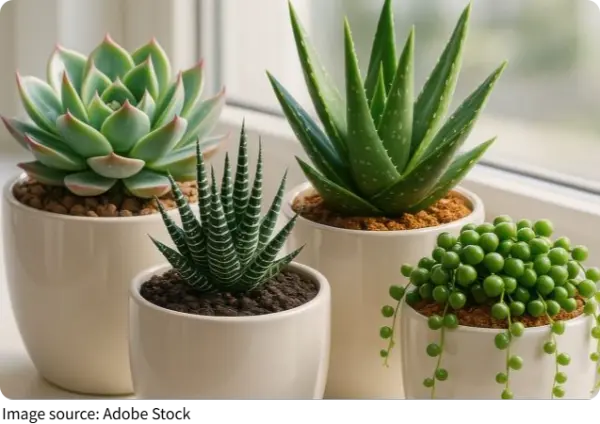
Touch a jade plant's smooth, cool leaves. Trace the ridges of an aloe. Watch how light hits the powdery coating on an echeveria. These tiny sensory moments? They ground you.
In therapy, this is called "orienting"—using your senses to pull yourself out of spiraling thoughts and back into the present. Succulents are accidental mindfulness tools. No app required.
Keep one by your bed. Glance at it before sleep.
Put one next to your laptop. Look up between emails.
Place one in the bathroom. Touch a leaf while you brush your teeth.
It's not magic. It's redirection. Your brain can't panic and admire geometric leaf patterns at the same time.
They're the anti-clutter clutter
Clutter stresses us out. But empty space can feel sterile. Succulents? They fill space without filling it up. A single container on a shelf adds life—not stuff. A cluster on a windowsill feels curated, not chaotic.
And because they grow slowly, they don't take over. No frantic pruning. No repotting every spring. They stay… contained. Just like your calm should.
Start with one. Seriously.
Don't buy six. Don't assemble a "succulent wall." Start with one weird little guy. Put it where you'll see it daily. Not where it "should" go. Where you actually look.
• Desk corner? Yes.
• Kitchen windowsill? Perfect.
• Bathroom counter? Surprisingly great (they like humidity as long as it's not soggy).
• Bookshelf next to your favorite novel? Even better.
Name it if you want. Don't if you don't. The point isn't attachment. It's presence.
When your plant thrives, you remember you can too
Succulents survive harsh conditions. Drought. Neglect. Poor soil. They store what they need. Adapt. Keep going.
Watching that? It's quietly inspiring. Not in a poster-quote way. In a "oh, so resilience doesn't have to be loud" way.
You don't have to be okay all the time. You just have to keep showing up. Like your succulent. Water yourself when you're dry. Turn toward the light when you can. Rest when you need to.
Your plant isn't judging you. It's just… there. Growing. Slowly. Patiently. With you.
So—where's the first spot your stress needs a chubby green roommate?