Plants That Hurt You

Owen Murphy
| 22-01-2026
 · Nature Team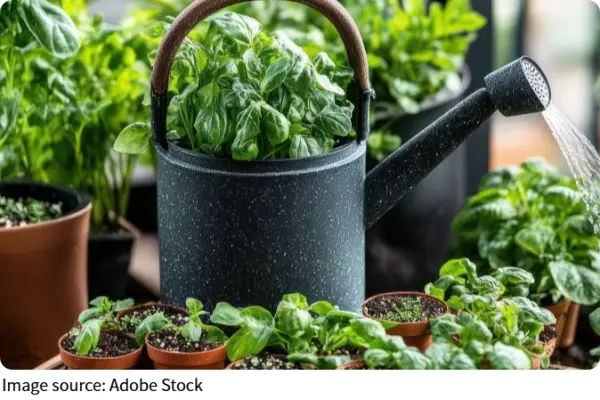
You know that cute little fern you got because it "purifies the air"? Yeah, it's currently plotting against you. Not on purpose, of course. But if you've been drowning it in love (and tap water), you might as well be running a mold incubator on your windowsill.
I found out the hard way. Woke up with a scratchy throat every morning for weeks. Blamed pollen. Blamed dust. Even blamed my pillow. Then I noticed the fuzzy gray patch creeping up the inside of the container. Not cute. Not decorative. Just… quietly toxic.
Turns out, your green buddies don't just sit there looking pretty. They're part of your home's ecosystem—and when things go sideways, they can mess with your lungs, your sinuses, even your energy levels. Especially if you're overwatering them. Which, let's be real, most of us are.
Why your watering can is the villain?
Plants don't need daily showers. In fact, most hate it. Overwatering doesn't just drown roots—it creates the perfect swamp for mold and mildew to throw a party. And they don't RSVP. They just show up, multiply, and start floating around your living room.
Here's what's actually happening:
1. You water too often → soil never dries → roots suffocate.
2. Stagnant moisture + warm air = mold buffet.
3. Spores lift off, drift into your air, land in your nose or lungs.
4. Cue the sniffles, headaches, fatigue, or worse—if you're sensitive or asthmatic.
According to major public-health authorities like the World Health Organization (WHO) and the U.S. CDC, living or working in environments with dampness and indoor mold growth is associated with an increased risk of respiratory symptoms such as cough, wheezing, nasal irritation, and asthma exacerbation. Research reviews and guidelines note that these effects are consistently observed across many studies, underscoring the importance of controlling indoor moisture and mold to protect respiratory health.
Signs your plant is gaslighting you
Your plant might look fine. Green. Perky. Innocent. But your body's sending up flares. Watch for these:
• Morning congestion that magically clears once you leave the house
• Random headaches that don't track with screen time or stress
• A weird musty smell near your plant shelf (even if the plant "looks clean")
• Yellow leaves + wet soil = classic overwatering combo
• Tiny black or white specks on the soil surface? That's mold. Not "dirt."
One study from the National Institute of Environmental Health Sciences found that visible mold in homes increased asthma-related symptoms by 30–50% in kids. Grown-ups aren't immune. Your immune system doesn't care if the mold came from a leaky roof or your fiddle leaf fig.

Fix it without killing your jungle
You don't need to toss your plants. Just tweak how you care for them. Here's how to keep them alive—and your lungs happy:
1. Check before you pour. Stick your finger 2 inches into the soil. Dry? Water. Damp? Walk away.
2. Ditch the saucer soup. If your container sits in a tray of leftover water, dump it within 15 minutes. Stagnant water = mold starter kit.
3. Go for airflow. Don't cram plants into dark corners. Give them space. Open a window now and then. Circulating air = less mold party.
4. Swap dense soil. If your potting mix feels like wet cement, replace it with a chunky, well-draining mix (look for perlite or orchid bark on the label).
5. Wipe leaves monthly. Dust traps moisture and spores. A quick damp cloth swipe keeps things fresh.
Bonus: Terracotta pots > plastic. They "breathe," letting moisture escape through the sides. Plastic holds it in. Like a mold sauna.
When mold's already moved in
Found the fuzz? Don't panic. Don't spray bleach (it's harsh, and you'll breathe that too). Try this:
• Scoop off the top inch of soil and replace it with fresh, dry mix.
• Sprinkle cinnamon on the soil surface—it's a natural antifungal. Smells nice. Works surprisingly well.
• Move the plant to a brighter, breezier spot for a week. Sunlight and airflow are mold's kryptonite.
• If it's bad—like, fuzzy tennis ball bad—toss the soil, wash the container with soapy water, and repot with fresh mix.
If you're reacting badly—coughing, wheezing, rashes—consider a HEPA air purifier for the room. They trap mold spores. No magic. Just physics.
Plants that won't betray you
Some plants are basically mold-proof if you treat them right. Low water needs. High chill factor. Try these:
• Snake plant (water every 3–4 weeks, seriously)
• ZZ plant (thrives on neglect)
• Pothos (tell it you're leaving town for a month—it'll thank you)
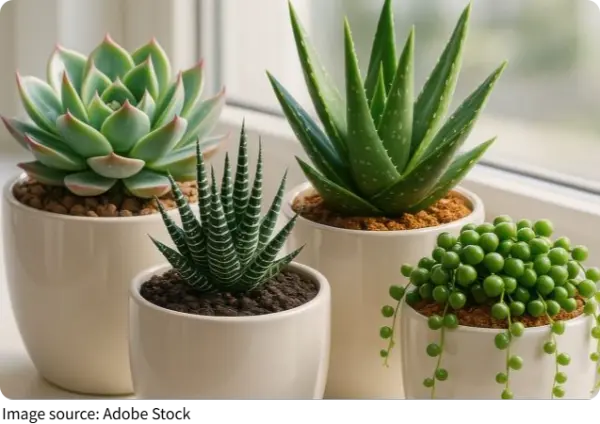
• Succulents (if you forget to water, they consider it a spa day)
These aren't just "hard to damage." They're low-moisture champs. Less water = less mold risk. Simple math.
Your air is part of the deal
We bring plants home to feel better. Calmer. Cleaner. But if they're silently pumping spores into your space, they're working against you. You wouldn't ignore black mold in your shower—and you shouldn't ignore it in your monstera's container.
Think of plant care like pet care. They have needs. Ignore them, and things get messy. Meet them, and you both thrive.
So next time you grab that watering can—pause. Poke the dirt. Sniff the air. Your lungs will thank you. And your plant? It'll grow stronger. Not slimier.
Funny how that works.