Life on Salty Shores

Ethan Sullivan
| 09-01-2026
 · Nature Team
Walking along a coastal marsh, you might notice a strange sight: patches of green plants thriving where the ground is soaked with saltwater.
Most plants would wither in such conditions, but these salt-tolerant halophytes seem perfectly at home. They're not just surviving—they've evolved clever strategies to flourish where others fail. Below, we will explore these fantastic plants.
What Makes Halophytes Special
Halophytes are plants specially adapted to salty environments. Unlike typical plants, they can handle high concentrations of salt in soil or water without dying. This ability allows them to colonize coastal areas, salt marshes, and tidal flats, forming ecosystems that protect shorelines and support wildlife.
Salt is a major challenge for most plants because it disrupts water absorption and can be toxic at high levels. Halophytes overcome this with unique adaptations, allowing them to maintain hydration and function even in briny conditions.
Adaptations for Coastal Survival
1. Salt Excretion: Some halophytes, like certain types of saltbush, have tiny glands that actively excrete excess salt onto their leaves. The crystals can then be washed away by rain or wind, keeping the plant healthy.
2. Succulent Leaves: Many coastal species store water in thick, fleshy leaves. This not only helps dilute internal salt concentrations but also provides a reserve for dry periods when freshwater is scarce.
3. Root Systems: Halophytes often develop deep or wide-spreading roots to access freshwater below the saline surface or stabilize themselves in shifting sandy soils. Their roots can also filter out some salt before it reaches delicate tissues.
4. Reproduction Strategies: Some produce seeds that can germinate even in salty conditions, ensuring that new generations survive where others fail. Floating seeds are another adaptation, allowing plants to disperse along tidal waters.
Examples of Halophytes
• Glasswort (Salicornia): Found in salt marshes, it grows low to the ground with jointed, succulent stems. It tolerates frequent tidal flooding and high salinity.
• Cordgrass (Spartina): This grass forms dense mats along mudflats and marsh edges. Its roots hold sediment in place, preventing erosion while creating habitat for birds and small animals.
• Saltbush (Atriplex): With salt-excreting leaves, this shrub survives in both coastal and inland saline soils, often forming dense thickets that provide shelter for wildlife.
These plants not only survive harsh conditions but also stabilize soils, reduce erosion, and provide food or shelter for animals. They play an essential role in maintaining healthy coastal ecosystems.
Human Benefits of Halophytes
Beyond ecological value, halophytes offer surprising benefits for humans. Some species are edible or used in traditional cooking. Others are being explored for biofuel production, as their tolerance to harsh conditions makes them suitable for marginal lands. Scientists are even studying their salt-handling mechanisms to improve crops in salty soils, potentially helping agriculture in areas affected by salinization.
Halophytes also serve as natural buffers against storm surges and tidal flooding. Dense coastal vegetation slows down water flow, reduces erosion, and protects inland areas from damage. In essence, they act as living shields, combining survival skills with ecosystem service.
How to Observe and Protect Them
If you want to appreciate these plants in the wild:
1. Visit salt marshes or coastal reserves, preferably with a guide who can point out different species and explain their roles.
2. Stay on marked paths. Trampling delicate halophytes can damage their roots and the surrounding habitat.
3. Avoid collecting seeds or plants from the wild. Many halophytes have slow growth cycles, and removing them can disrupt local ecosystems.
4. Support conservation initiatives. Coastal areas face development pressures, pollution, and climate change. Protecting these habitats ensures that halophytes continue to thrive and support wildlife.
Lessons from Coastal Survivors
Observing halophytes teaches us about resilience and adaptation. These plants show that survival isn't about avoiding stress—it's about finding ways to work with it. By excreting excess salt, storing water, and spreading seeds wisely, they turn a hostile environment into a livable one.
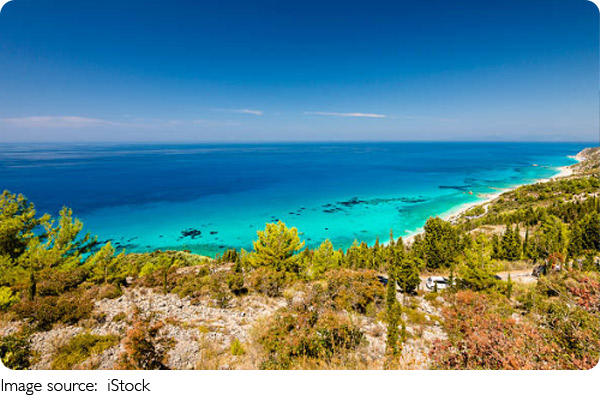
Next time you walk along a marsh or tidal flat, take a closer look at the greenery thriving among salty soils. Each stem and leaf is a testament to evolution's ingenuity. Halophytes remind us that even in harsh, seemingly uninhabitable places, life finds a way—not just to survive, but to thrive.
In watching these coastal survivors, there's a subtle inspiration: persistence, adaptation, and patience often yield the strongest results. Nature, it seems, always finds a path forward.