Dahlia Bloom Start!

Raghu Yadav
| 09-01-2026
 · Nature Team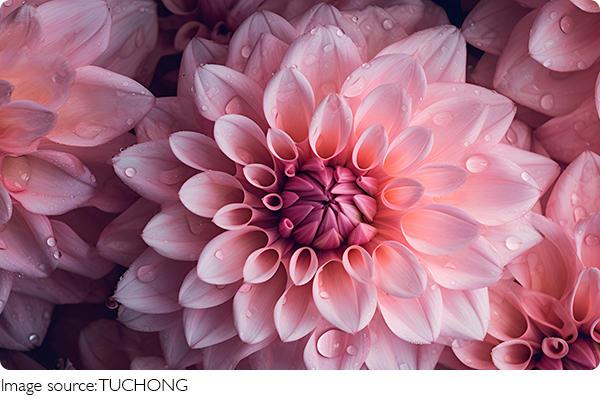
Dahlias are among the most captivating flowers in any garden, renowned for their vivid hues and diverse forms ranging from delicate pom-poms to large, open blooms.
While dahlias may seem intricate to grow, beginners can successfully cultivate these beauties with a well-informed approach.
Selecting Suitable Planting Sites and Preparing Soil
Dahlias thrive in locations receiving full sun—at least six to eight hours of direct sunlight daily—which promotes vigorous growth and abundant blooming. Sites should have well-draining, fertile soil rich in organic matter. Incorporating compost or well-rotted manure before planting improves soil fertility and structure.
Avoid heavy clay soils or areas prone to waterlogging, as dahlia tubers are susceptible to rot in soggy conditions. Additionally, a neutral to slightly acidic pH (6.0–7.0) is ideal for nutrient availability.
Starting Dahlias from Tubers or Seedlings
Most gardeners grow dahlias from tubers, which resemble thin-skinned potatoes. Planting should occur after the danger of frost has passed and soil temperatures consistently rise above 60°F (15.5°C). Create a planting hole approximately 4 to 6 inches deep and position the tuber horizontally with the prominent "eye" or growth point facing upward.
Cover the tuber with soil, maintaining the 4–6 inches, and water gently to settle the soil. Germination can take up to four weeks, and during this time, soil moisture should be kept consistent but not soggy.
Seedlings started indoors about 4 to 6 weeks before the last frost can be transplanted outdoors once hardened off. Sow seeds in seed-starting trays under controlled warmth and light conditions, keeping the medium moist. Transplants benefit from gradual acclimation to outdoor temperatures to minimize shock.
Watering and Fertilization Requirements
Dahlia plants require consistent moisture during the growing season, particularly when buds form and flowers begin developing. Deep watering once or twice weekly supports strong root growth, but care must be taken to avoid water accumulation around stems, which can invite fungal diseases. Mulching around the base aids in moisture retention and temperature moderation.
While dahlias thrive in fertile soil, over-fertilization especially with nitrogen-rich products can lead to excessive leafy growth and fewer flowers. A balanced fertilizer with moderate nitrogen, phosphorus, and potassium content applied every 3 to 4 weeks encourages steady bloom production. Liquid fertilizers are particularly effective during active growth phases.
Enhancing Growth: Pinching, Staking, and Deadheading
When dahlia shoots reach approximately 12 to 16 inches tall, pinching the main stem just above a leaf node encourages branching, resulting in bushier plants with more flower sites. Support taller varieties with staking or using garden netting to prevent stems from bending or breaking in the wind or heavy rain.
Managing Common Pests and Diseases
Dahlias can be affected by pests such as aphids, spider mites, and slugs, as well as diseases including powdery mildew and gray mold. Integrated pest management strategies emphasize maintaining clean garden environments, proper plant spacing, and vigilant monitoring for early signs of infestations.
Organic methods, such as insecticidal soaps, botanical oils, or manual removal, are effective and eco-friendly options for controlling pests. Fungicidal applications may be necessary in humid regions to combat fungal diseases.
Harvesting, Overwintering, and Propagation
Dahlias bloom from mid-summer until the first severe frost. Flowers cut early in the morning or late afternoon tend to last longer in arrangements. After the growing season, tubers in colder climates require digging, cleaning, and storage in cool, frost-free conditions for overwintering. Tubers should be stored in peat moss or sawdust to prevent desiccation.
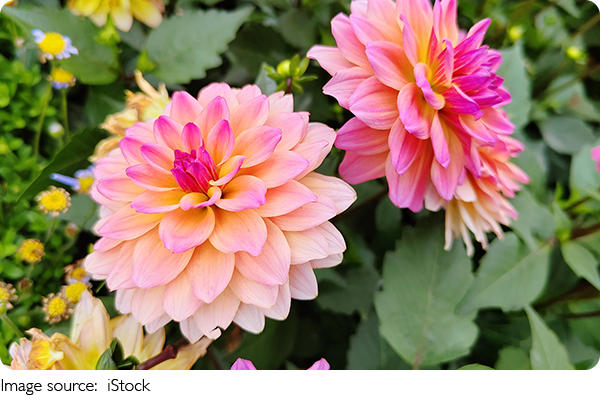
Growing dahlias offers rewarding opportunities for gardeners to showcase vibrant and diverse blooms with the right knowledge and care. Selecting sunny, well-drained sites, planting tubers correctly, and managing watering and nutrition are foundational to success. Practices like pinching, staking, and deadheading empower sustained flowering.
Awareness of pests and diseases, coupled with appropriate control measures, ensures healthy plants. With mindful harvesting and proper tuber storage, dahlias can grace gardens year after year.