Thriving Potted Plants

Declan Kennedy
| 09-01-2026
 · Nature Team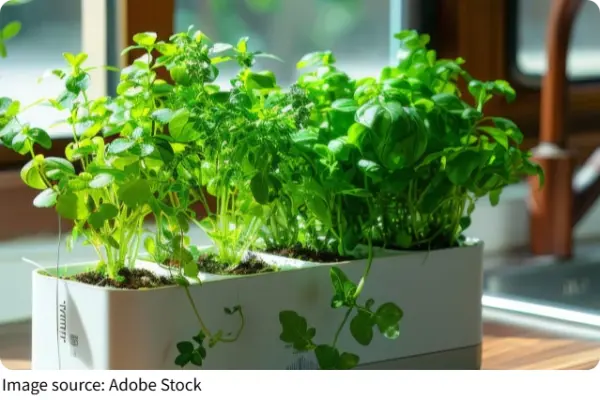
Having healthy potted plants at home or in your garden can brighten up your space and improve air quality. But keeping them vibrant and thriving requires the right care.
From watering to sunlight, and fertilizing, it's important to understand the basics of potted plant care. Here's a guide to help you grow healthy, happy plants in containers.
Choosing the Right Container and Soil
The foundation of healthy potted plants starts with choosing the right container and soil. Both play a huge role in ensuring your plant has the right environment to grow.
1. Choose a container with drainage holes. Proper drainage is crucial to prevent water from pooling at the bottom and causing root rot. Make sure your container has drainage holes at the bottom.
2. Pick the right soil for your plant. Different plants require different types of soil. For example, succulents need well-draining soil, while ferns thrive in a more moisture-retentive mix. Always use a soil mix that suits the plant you're growing.
Watering Your Potted Plants
One of the most important aspects of potted plant care is watering. Too much or too little water can harm your plants, so it's essential to find the right balance.
1. Water when the soil is dry. Stick your finger into the soil about 1-2 inches deep. If it feels dry, it's time to water. For many houseplants, letting the soil dry out slightly between waterings is key.
2. Water thoroughly. When you water, make sure to do so thoroughly until water drains out from the bottom of the container. This ensures the roots get enough moisture.
3. Avoid overwatering. Overwatering can cause root rot and other issues. Be sure not to let your plants sit in water—empty any excess water from saucers underneath the container.
Sunlight: Finding the Right Spot
Most plants need sunlight to thrive, but the amount and type of sunlight can vary depending on the plant species.
1. Know how much light your plant needs. Some plants, like succulents, need full sunlight for several hours a day, while others, like peace lilies, thrive in lower light. Check the plant's needs before placing it in a spot.
2. Rotate plants regularly. If you're growing indoor plants, rotate them every few weeks to ensure all sides receive equal sunlight. This will help them grow evenly and prevent leaning toward one side.
Fertilizing for Healthy Growth
Fertilizing your plants provides essential nutrients that the soil may lack, helping them grow strong and vibrant.
1. Use the right fertilizer for your plant. Some plants benefit from a slow-release granular fertilizer, while others may prefer liquid fertilizer. Check your plant's needs and choose accordingly.
2. Fertilize during the growing season. Most potted plants benefit from regular feeding during their active growing period—typically in the spring and summer. Cut back on fertilizing during the dormant months in the fall and winter.
3. Avoid overfertilizing. Too much fertilizer can harm your plants, causing nutrient burn or other issues. Always follow the recommended dosage on the fertilizer package.
General Care and Maintenance Tips
Aside from watering, sunlight, and fertilizing, there are a few additional tips that will help keep your potted plants in top condition.
1. Prune dead or yellowing leaves. Regularly removing dead or yellow leaves helps your plant direct its energy to healthy growth and keeps it looking tidy.
2. Repot as needed. As your plant grows, it may outgrow its container. Repotting every couple of years gives the roots more room to grow and ensures the plant has fresh soil to thrive in.
3. Check for pests regularly. Pests can be a problem for indoor plants. Check for signs of insects like aphids or spider mites, especially on the undersides of leaves. If you spot any, gently wash the leaves with water or use an insecticidal soap.
Enjoying Your Healthy Plants
Taking care of potted plants can be incredibly rewarding. When they thrive, they bring beauty and life to your home, and you get the satisfaction of knowing you've provided the right care.
1. Watch them flourish. When you follow the right steps for watering, sunlight, and fertilizing, your plants will reward you with new growth, flowers, and lush leaves.
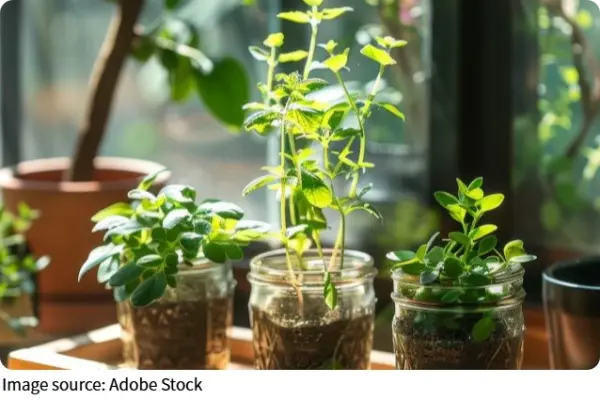
By paying attention to the specific needs of your potted plants, you can enjoy a garden that flourishes year-round. Whether you're a seasoned plant lover or a beginner, the basics of plant care are the same. With a little time and attention, you'll have a collection of happy, healthy plants to brighten your space.