Right Fitness Tools

Pardeep Singh
| 09-01-2026
 · Sport Team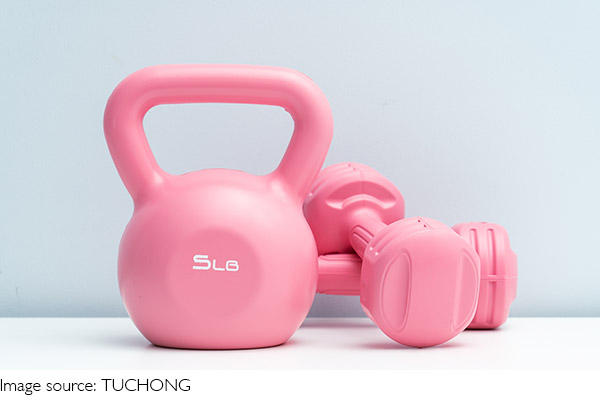
Have you ever wandered into a gym or fitness store and felt overwhelmed by all the available equipment? From dumbbells to resistance bands, kettlebells to machines, there's a fitness tool for nearly every workout.
But how do you choose the right one for your body, goals, and preferences? Let's break it down and help you pick the perfect fitness tool for your fitness journey.
Understand Your Fitness Goals
Before purchasing or using any fitness tool, it's important to understand what you want to achieve. Are you aiming to build muscle, improve flexibility, or boost endurance? Different tools serve different purposes, so defining your fitness goals will guide your choice.
- Strength Training – If you're looking to build muscle and strength, free weights like dumbbells, kettlebells, or barbells are great choices. For a full-body workout, resistance machines might be helpful, but free weights require more stabilization and engagement from your body's smaller muscle groups.
- Cardio Fitness – For improving cardiovascular health or burning calories, consider tools like jump ropes, rowing machines, or cycling. These tools are designed to elevate your heart rate and improve endurance.
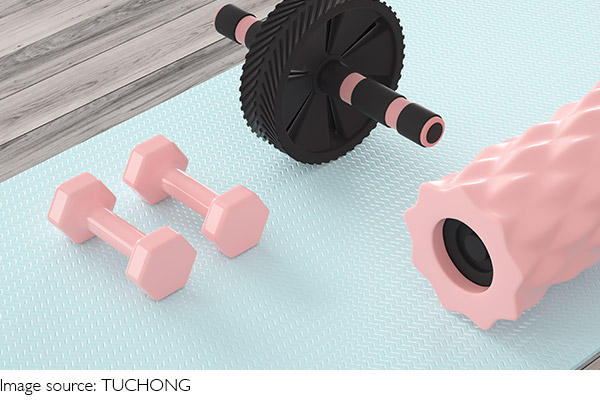
- Flexibility and Recovery – If your focus is on flexibility, mobility, or post-workout recovery, tools like foam rollers, resistance bands, or stretching blocks can help. These are perfect for stretching, increasing mobility, and preventing injuries.
By identifying your goals, you can choose the tools that are best suited for your training objectives.
Consider Your Fitness Level
Your current fitness level plays a huge role in the tools you select. Some tools may be too advanced for beginners, while others might not challenge experienced athletes enough. Choosing equipment that matches your fitness level ensures you get the most effective results without risking injury.
- Beginner – If you're new to fitness, start with lighter weights like dumbbells or resistance bands. These tools can help you build a solid foundation and learn proper form before moving on to more challenging equipment.
- Intermediate – Once you have a good grip on the basics, consider incorporating kettlebells, medicine balls, or heavier dumbbells. These tools offer more dynamic movements and resistance, which are great for building muscle and endurance.
- Advanced – For seasoned fitness enthusiasts, you might want to explore more specialized equipment like barbell sets, battle ropes, or even suspension trainers. These tools allow you to push your limits and work on more complex exercises.
Choosing the right tool for your fitness level will help you progress safely and effectively.
Space and Portability
The amount of space you have available for working out can limit your options. If you're training at home or in a small space, you'll need to choose tools that are compact and easy to store.
- Limited Space – For small spaces, resistance bands, dumbbells, or a jump rope are great options. They're portable and don't require a lot of room. You can store them easily after use, and they provide a full-body workout.
- Larger Space – If you have more room at home, you might be able to invest in larger equipment like a treadmill, exercise bike, or rower. These tools provide excellent cardio workouts, but they can take up more space and are generally less portable.
- Portability – Consider whether you want tools that are easy to take with you. Resistance bands, exercise mats, and kettlebells are great because they can be packed for travel, allowing you to maintain your fitness routine on the go.
The space available in your home or gym, as well as your ability to transport equipment, will help you decide what tools to invest in.
Budget Considerations
Fitness tools come in a wide range of prices, so understanding your budget will help you narrow down your choices. Keep in mind that some tools may be an initial investment but save money over time since you won't need to pay for gym memberships or expensive classes.
- Low Budget – If you're on a tight budget, basic tools like dumbbells, resistance bands, and a exercise mat can go a long way. These tools are versatile, affordable, and can help you perform a wide variety of exercises.
- Mid-Range Budget – If you have a little more flexibility in your budget, you can invest in items like kettlebells, a jump rope, or a set of adjustable dumbbells. These are more durable and allow for a greater variety of exercises.
- High Budget – If you're looking for more specialized equipment and have a higher budget, consider investing in larger machines like a rowing machine, stationary bike, or even a set of barbells. These tools provide more advanced workouts but are generally more expensive.
Being mindful of your budget will ensure that you get the best value for your money while meeting your fitness needs.
Read Reviews and Ask for Recommendations
Before making a purchase, take the time to read reviews and ask others about their experiences. You might find that a certain piece of equipment isn't as effective or durable as you expected. Getting feedback from friends or fellow fitness enthusiasts can help you make an informed decision.
- Online Reviews – Websites, forums, and fitness communities are great places to read reviews. Look for feedback on durability, effectiveness, and ease of use. Keep in mind that not all reviews are equal—look for patterns in the comments rather than focusing on a single opinion.
- Fitness Classes or Trainers – If you have access to a personal trainer or attend fitness classes, ask for recommendations. Trainers can help you choose the right equipment based on your fitness goals and experience level.
- Social Media – Platforms like Instagram or YouTube often feature fitness enthusiasts who share their favorite workout gear. These influencers may provide demonstrations and honest reviews of the tools they use.
Doing research and asking for recommendations can prevent you from buying something that doesn't meet your needs or expectations.
Conclusion: Make the Right Choice for You
Choosing the right fitness tool is a highly personal decision. It depends on your goals, fitness level, available space, budget, and the feedback you gather from others. Whether you're looking for something portable and budget-friendly or investing in more advanced equipment, the key is finding a tool that aligns with your objectives and feels comfortable to use.
Remember, the best fitness tool is the one that motivates you to keep moving and helps you achieve your goals. So, take the time to explore your options, consider your needs, and invest in the tools that will support your fitness journey.