How Racing Evolves Bikes

Arvind Singh
| 10-01-2026
 · Vehicle Team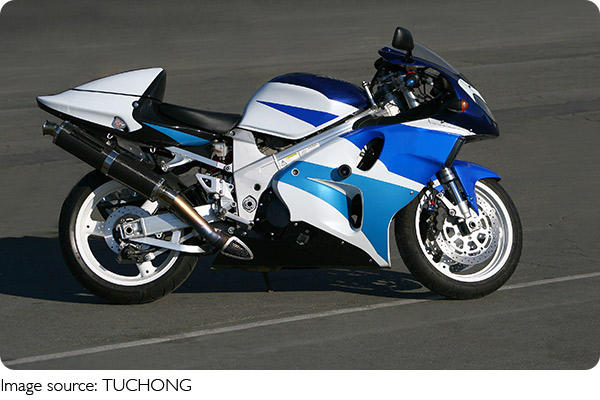
Motorcycle racing isn't just about speed—it's a game-changer for the motorcycle parts market.
For enthusiasts and racers alike, events often spark the demand for innovative parts, pushing manufacturers to create cutting-edge components.
But how exactly does this high-speed world influence what you see on the shelves of your local bike shop? Let's explore this market.
Performance Demand Creates New Innovations
Racers push their machines to the limit, and in doing so, they highlight weaknesses in stock parts that manufacturers hadn't considered. This is where the aftermarket parts market thrives—by developing products that offer better performance, reliability, and durability.
Example: High-performance exhaust systems are a great example. During racing events, the need for lightweight, efficient exhausts becomes clear. Manufacturers, in turn, create parts that are not only lighter but also tuned for better power delivery. These products often make their way from the track to consumer motorcycles.
Branding and Prestige Drive Sales
Motorcycle racing events are heavily influenced by the brands that sponsor teams. High-profile races like MotoGP or Superbike World Championship bring visibility to brands associated with winning teams. This visibility translates directly into consumer sales of parts that are endorsed or used by top riders.
Example: Brake systems from brands like Brembo have long been associated with top-tier racing teams. For everyday riders, owning a part that's been tested in the most demanding environments is often a symbol of performance and prestige. It's no wonder that products tied to the top racers sell out quickly after a major event.
Testing Grounds for the Latest Technology
In the world of racing, new technologies and materials are tested under extreme conditions. The results from these tests often trickle down to the consumer market, where these innovations are integrated into regular motorcycles.
Example: Carbon fiber components were once exclusive to professional racing. Now, riders can purchase carbon fiber parts for their street bikes, whether it's for reducing weight or increasing strength. These parts, originally developed for racing, have transformed the market for performance enthusiasts.
Racer Influence on Consumer Preferences
Many consumers look to their favorite riders as trendsetters. When a particular rider uses a specific part or makes a modification that enhances performance, fans often follow suit, purchasing similar items for their own bikes.
Example: Handlebars and footpeg adjustments are a perfect example. A racer's preference for certain ergonomics might inspire fans to seek out aftermarket parts that offer better control and comfort during long rides or track days. These preferences are influenced by the visibility racing provides, where every detail of the bike's setup becomes part of the show.
Boosting the Local Economy
Racing events have a ripple effect that goes beyond the race track. As more riders attend races and become inspired by the latest innovations, local shops and suppliers see an uptick in demand for performance parts. This supports the entire ecosystem of motorcycle parts, from small businesses to large manufacturers.
Example: Local shops often report a boost in sales following major races, particularly when new models and parts make their debut at these events. The exposure drives demand for upgrades, whether it's suspension kits or performance chips, benefiting both the racing scene and everyday motorcycle enthusiasts.
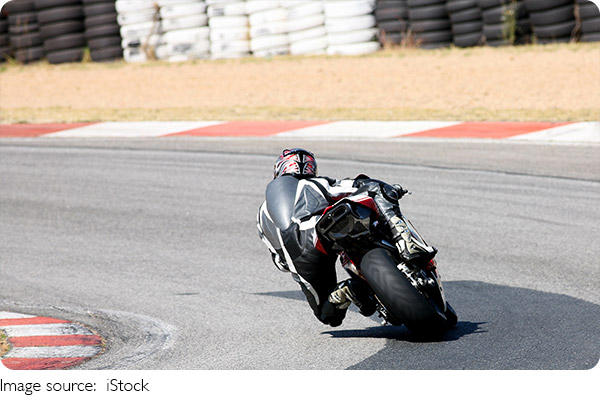
The connection between motorcycle racing and the parts market is undeniable. From driving innovation to influencing consumer preferences, racing events shape the products that riders use on their daily bikes. For manufacturers, it's all about responding to the needs of racers and translating those insights into consumer-friendly parts. So next time you watch a race, remember—it's not just about the thrill of the competition; it's also about the parts that make it all possible.