Home Floral Arrangements

Mukesh Kumar
| 26-12-2025
 · Nature Team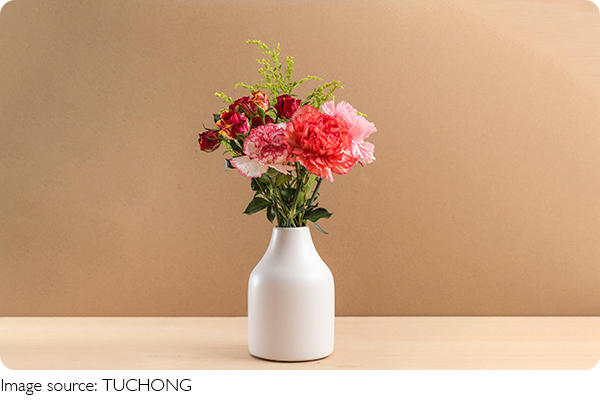
Ever walked into a room and felt immediately refreshed by the sight of flowers? There's something about the way fresh blooms brighten up a space and elevate the mood.
But placing flowers in your home isn't just about picking up a bouquet and sticking it in a vase—it's an art that can totally transform a room. Whether you have a spacious living room or a cozy apartment, flower placement can make all the difference.
1. Choose the Right Flowers for Each Room
The first step in creating beautiful flower arrangements in your home is choosing the right flowers for each space. Not all flowers are suited to every room, so consider the vibe of the room and the amount of natural light it gets.
For instance, a sunny living room can handle bright, bold flowers like sunflowers or daisies. These flowers will thrive in the light and create a cheerful, lively atmosphere. If you want a more relaxed and elegant vibe, consider using soft, calming flowers like lavender or lilies, which are perfect for bedrooms or bathrooms.
In darker rooms or areas with low light, go for flowers that are known to thrive in these conditions, such as peace lilies or begonias. These flowers not only look great but will also flourish even without direct sunlight.
Tip: Always match the type of flower to the space's lighting and mood. Bold flowers can bring energy to a room, while soft blooms can create calm.
2. Selecting the Right Vases and Containers
The vase or container you choose plays just as important a role as the flowers themselves. A beautiful vase can complement the colors of the flowers and tie the whole arrangement together. Consider the style of the room when choosing your vase—if you have a modern, minimalist living room, opt for sleek, simple vases in neutral colors. If your space is more rustic, a mason jar or a vintage-style ceramic jug might be the perfect fit.
The size of the vase should also match the size of the flowers. For tall flowers like gladiolus or lilies, a taller, sturdy vase will help them stand upright. For smaller blooms, a short and wide vase will prevent them from toppling over.
Tip: Mix and match your vases. Use different shapes, materials, and sizes to create a dynamic, interesting display. Just remember to keep it balanced.
3. Placement Matters: Find the Perfect Spot
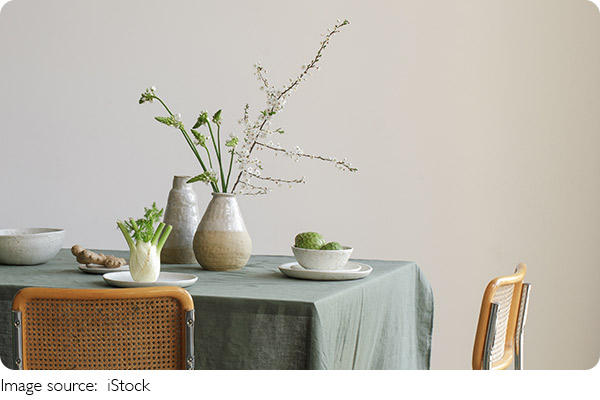
Where you place your flowers is key to their impact. A well-placed bouquet can become the focal point of a room, while a poorly placed arrangement might go unnoticed. Consider placing flowers in areas where they can be admired, like coffee tables, dining tables, or entryways.
In your living room, for example, a vase of flowers on the coffee table can create an inviting atmosphere for guests. For a more subtle effect, try placing a smaller arrangement on a bookshelf or side table.
In the bedroom, a small bouquet of fresh flowers on the nightstand can bring a touch of serenity and elegance to your space. Avoid placing large arrangements in the center of small rooms, as this can make the space feel cluttered.
Tip: Think of flower placement as creating a visual flow. You want flowers to enhance the room without overwhelming it. Be mindful of how much space they take up.
4. Using Flowers to Complement Existing Decor
Flowers should complement, not compete with, your existing home decor. One way to do this is by choosing flowers that match or contrast with the room's color scheme. If your living room has a lot of neutral tones, vibrant flowers like red roses or orange tulips can add a pop of color without overwhelming the space.
Alternatively, if your space has bold or bright colors, consider flowers in soft, muted tones to balance out the room. Soft pastel flowers like hydrangeas or roses work well in spaces with bright walls or furniture.
Also, consider the texture of the flowers. If your space is minimalist with lots of smooth surfaces, textured flowers like dahlias or hydrangeas can add depth and interest.
Tip: Be intentional about color and texture. Let the flowers blend harmoniously with the overall design of the room.
5. Caring for Your Fresh Flowers
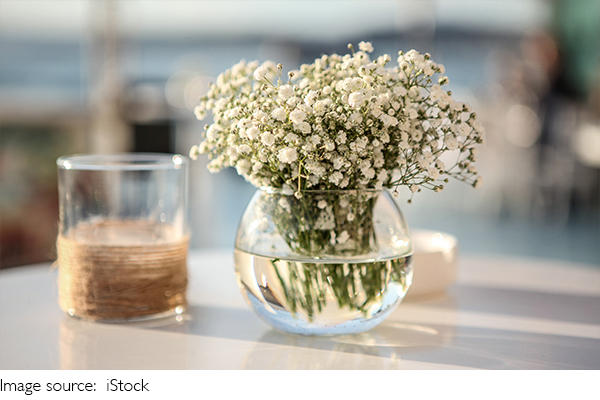
Nothing is more disappointing than watching fresh flowers wilt before their time. To keep your flowers looking fresh and beautiful, change the water regularly, at least every two days. Cut the stems at an angle before placing them in water to allow for better water absorption.
Certain flowers, like roses and lilies, may benefit from being trimmed a little each day to keep them from drooping. Keep the flowers away from direct heat or cold drafts, as extreme temperatures can shorten their lifespan.
Another important tip is to remove any leaves that fall below the waterline. This helps prevent bacteria from growing and keeps your flowers fresh for longer.
Tip: Add a flower preservative to the water or create a DIY solution using sugar and vinegar to prolong the life of your flowers.
Reflection: Bring Life to Every Room
Flower arrangements are more than just decor—they're a way to bring life, color, and energy into your home. With a little creativity and the right choices, flowers can transform a room and give it a refreshing, vibrant feel. Whether you're adding a few sprigs of lavender to your kitchen or a bold bouquet to your dining table, flowers have the power to create a welcoming atmosphere.
So, next time you pick up a bouquet, think about where and how you can place it to enhance your space. With the right flowers, containers, and thoughtful placement, your home will bloom with beauty and charm.