Ice Quest

Raghu Yadav
| 19-12-2025
 · Astronomy Team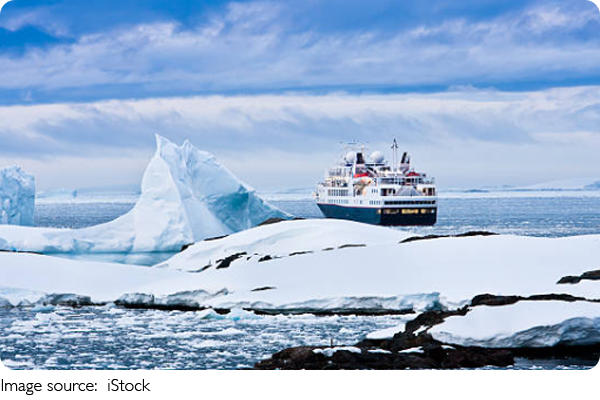
Have you ever dreamed of exploring a land where almost everything is frozen, winds roar, and only the toughest survive? This is the magic of an Antarctic expedition.
Antarctica is the world’s last great wilderness, a place that challenges explorers physically, mentally, and emotionally. On an expedition, we don’t just travel—we learn to adapt, respect nature, and marvel at the sheer scale of ice and snow.
From the first moment we set eyes on the icy horizon, we feel a mix of excitement and respect. The landscape is otherworldly—giant glaciers stretch endlessly, icebergs float like frozen castles, and the silence is almost spiritual. Every step reminds us how remote and fragile this place is.
Planning the Expedition
A successful Antarctic expedition requires meticulous planning. First, we need to decide the route: will we explore the Antarctic Peninsula, cross the Ross Ice Shelf, or visit remote research stations scattered across the continent? Each option has unique challenges and rewards, and our choice shapes the entire journey.
Next comes logistics: extreme cold demands specialized clothing, including insulated jackets, thermal layers, gloves, and boots. All gear must be waterproof and windproof. Food and supplies are carefully calculated—high-energy, non-perishable meals, and plenty of water. Every item counts, as resupply is nearly impossible once we are deep in the ice. We also carry medical kits, emergency tents, and satellite communication devices. Preparing for months in advance, we train in cold-weather survival skills and practice navigating snowy terrain, so we are ready for anything Antarctica can throw at us.
The Journey Begins
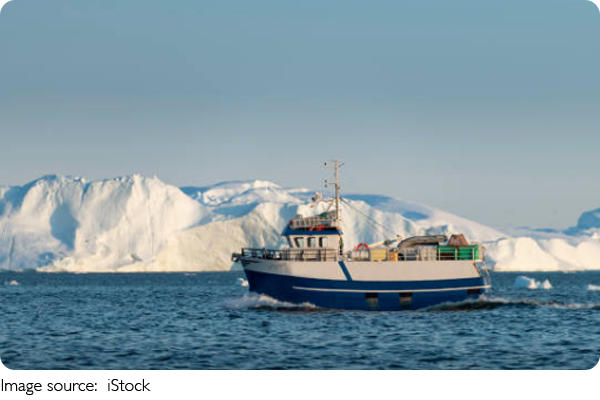
Most expeditions start from ports in South America, such as Ushuaia in Argentina. From there, we board icebreakers or small research vessels to cross the Southern Ocean. The journey itself is intense, with huge waves, freezing winds, and shifting ice testing our endurance. Seasickness is common, but the excitement of approaching Antarctica keeps our spirits high.
As we near the continent, the icy landscapes unfold. Towering icebergs glint in the low sun, glaciers rise like frozen walls, and the ocean transforms into a mix of open water and ice floes. Stepping onto the ice for the first time is an unforgettable moment—it feels both thrilling and humbling.
Life on the Ice
Once on land, life becomes a balance of survival and discovery. We set up temporary camps or stay at scientific research stations. Each day begins with checking weather conditions, maintaining shelters, and preparing food. Temperatures often drop below -40°C, and winds can slice through even the warmest clothing.
Beyond survival, we conduct scientific observations. Some of us track penguin colonies to understand breeding patterns, while others study glacial movements or measure ice thickness. Every task is an adventure, and even routine chores—like melting snow for water or securing tents in high winds—become small victories. Over time, we learn to read the ice and the weather, gaining a deep appreciation for the environment around us.
Wildlife Encounters
Antarctic expeditions are never complete without wildlife encounters. Penguins, the continent’s most iconic residents, waddle in large colonies, their calls echoing across the ice. Seals lounge near the shore, keeping a curious eye on us, while seabirds soar overhead.
These encounters are rare gifts. Observing these animals in their natural habitat is a reminder that life finds a way even in the harshest environments. Every photograph, every close-up observation, reinforces why we explore: to witness the resilience of nature firsthand.
Challenges and Risks
Exploring Antarctica is not without danger. Severe cold, sudden storms, crevasses, and unpredictable sea ice all pose risks. Every step requires caution, and we always travel in teams. Communication devices, GPS trackers, and emergency plans are essential.
But these challenges also build camaraderie. Sharing tents, cooking meals together, and supporting one another during blizzards creates strong bonds. These friendships, forged in extreme conditions, often last a lifetime and make the expedition even more rewarding.
Scientific Discovery
Antarctic expeditions contribute more than adventure—they advance human knowledge. Glacial studies, climate research, and wildlife monitoring provide critical data for understanding global environmental changes. For example, measuring ice thickness and glacial melt rates helps scientists predict sea-level rise, while observing penguin populations reveals how ecosystems adapt to extreme climates.
By participating, we become part of a global effort to study and protect this fragile continent. Our daily work in extreme conditions contributes directly to understanding Earth’s changing environment and informs conservation efforts worldwide.
Returning with Stories
Lykkers, completing an Antarctic expedition is life-changing. We return not just with photos and souvenirs, but with stories of endurance, discovery, and awe. The icy wilderness leaves a lasting impression, reminding us of the power and beauty of nature.
Every expedition teaches that Antarctica is more than a destination—it’s a lesson in resilience, teamwork, and respect for our planet. Even if most of us will never walk its frozen plains, we can all share in the wonder of this extraordinary continent and work together to protect its fragile environment.
Why Travel to Antarctica with Quark Expeditions
Video by Quark Expeditions